
Last updated November 16, 2026
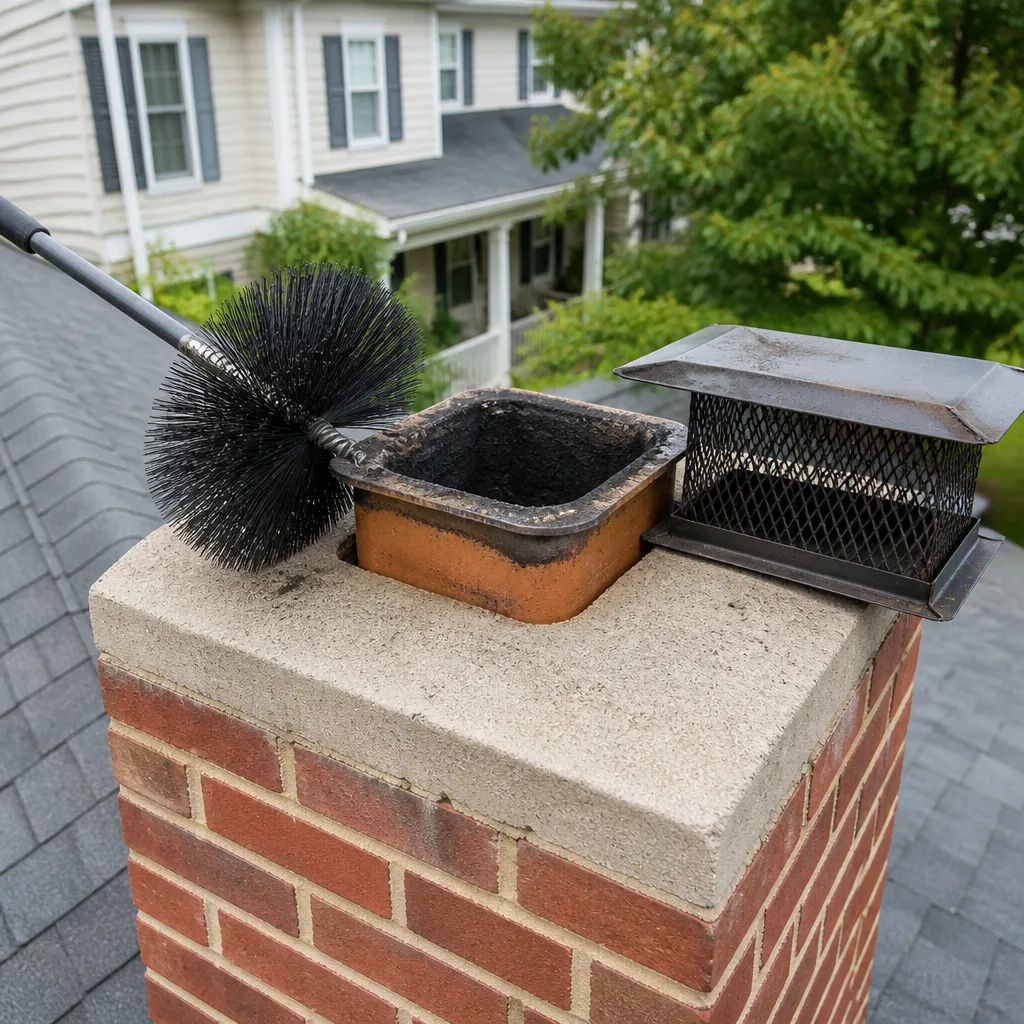 Sweep & inspection
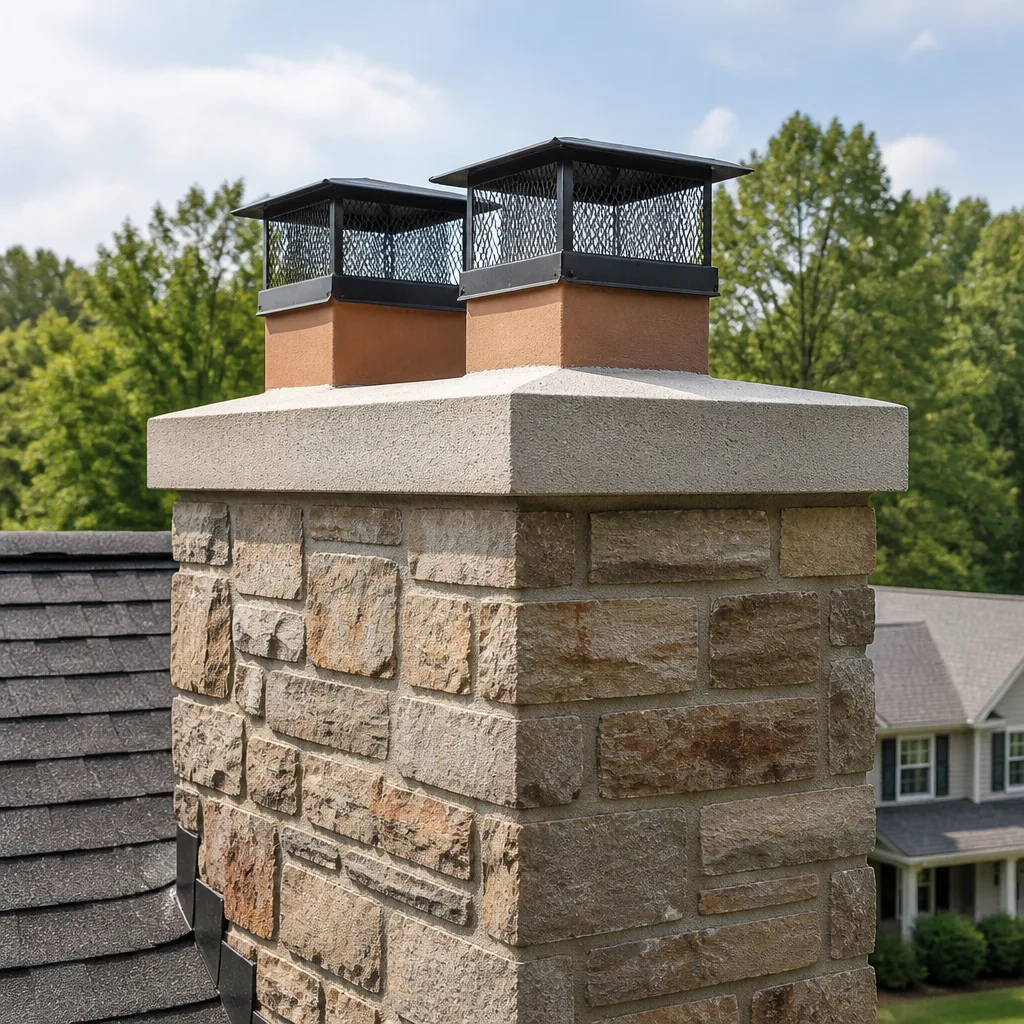 Caps & crowns
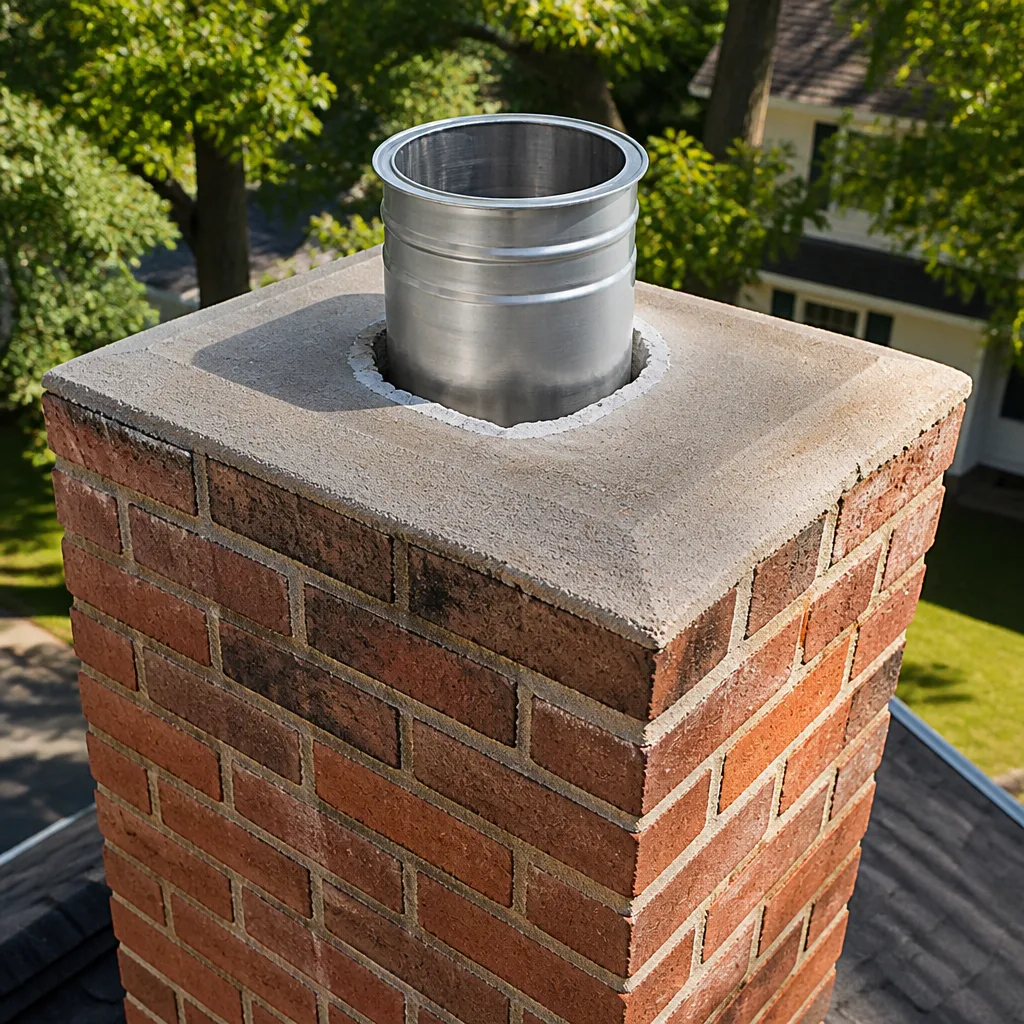 Flue relining
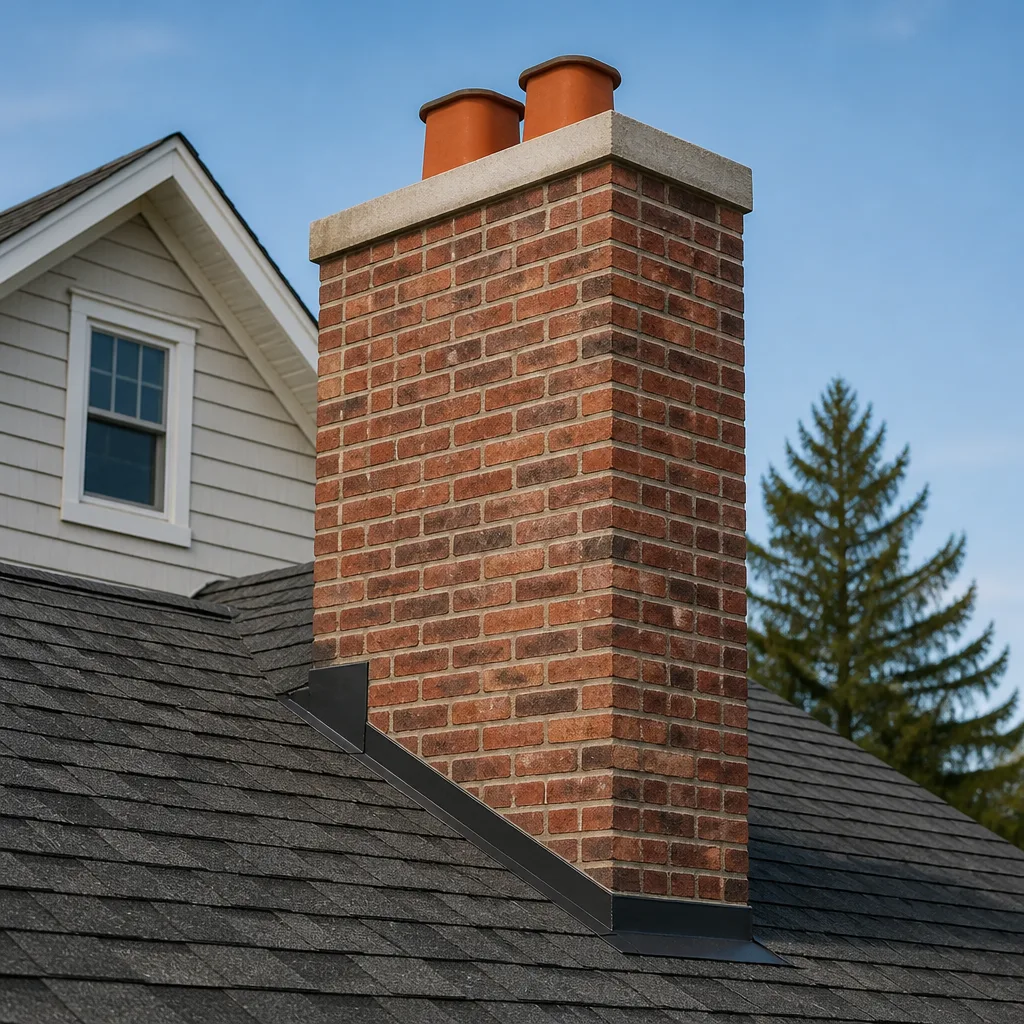 Masonry repair
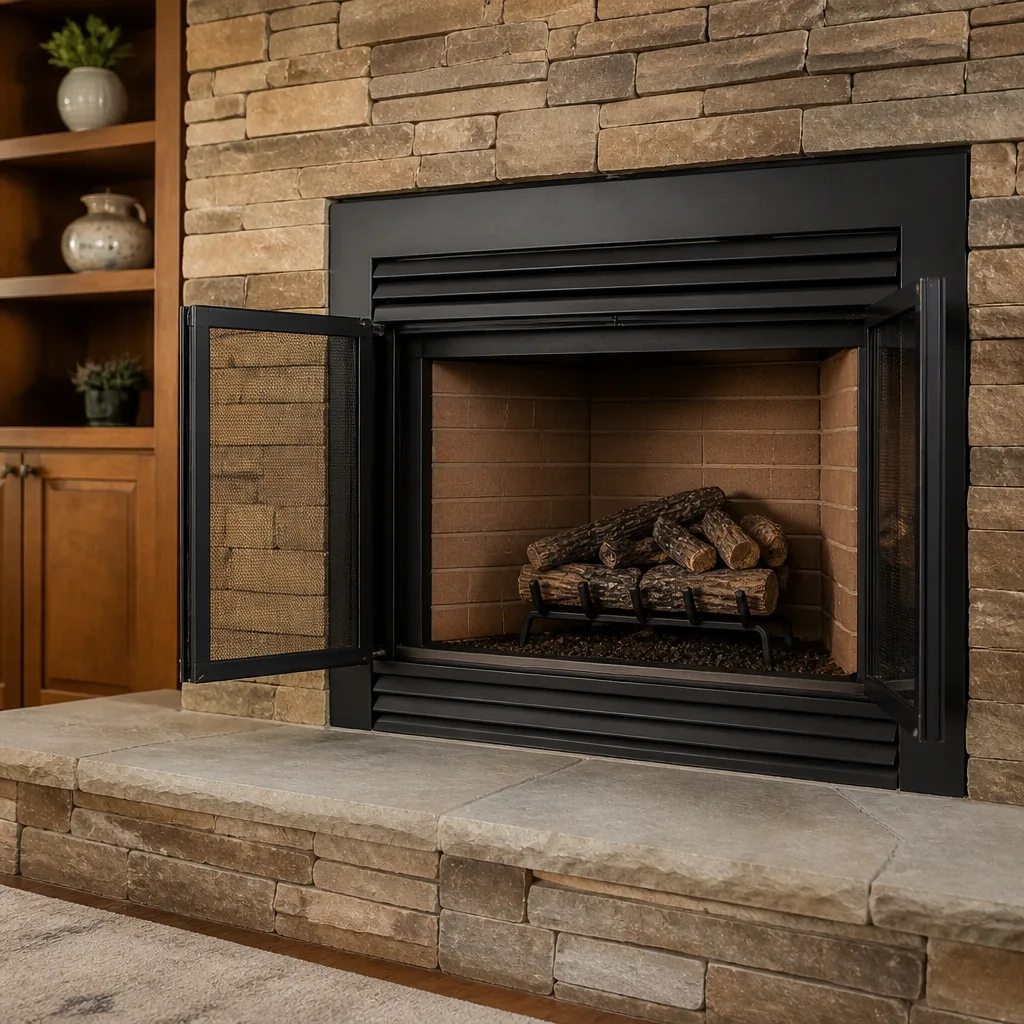 Gas fireplace service
Level 1 sweep and inspection to the NFPA 211 annual standard - flue, crown, cap, and flashing checked and photographed
Chimney sweep logs do not sweep chimneys. They loosen some creosote - which then falls where a brush and vacuum still have to collect it.
How to Hire a Chimney Cleaning Contractor in Amarillo: A Step-by-Step Guide
Most homeowners assume that anyone who shows up with a brush and a shop vac knows what they’re doing. That assumption is where trouble starts. In Amarillo, the same search results will hand you certified chimney specialists, general handymen who added sweeping to their list, and HVAC techs who clean a flue between furnace calls. CSIA certification isn’t a vanity credential – it’s the difference between a sweep who learned chimney safety from a structured curriculum and one who picked it up on the fly. This guide walks you through a concrete vetting process so you can tell them apart before you book.
Quick Answer
To hire a chimney cleaning contractor in Amarillo, verify CSIA or NFI certification directly, confirm liability insurance in writing, ask whether they also perform repairs, and make sure you get a written inspection report with photos. A qualified contractor does the sweep, the inspection, and any needed repair, so findings don’t fall into a gap between companies. If a contractor cleans but can’t fix what they find, you’re only getting half the job.
Styles & brands we work with
- Sweep & inspection
- Caps & crowns
- Flue relining
- Masonry repair
- Gas fireplace service
Table of Contents
- Why the Amarillo Chimney Market Is Confusing
- What CSIA and NFI Certification Actually Mean
- How to Verify a Contractor on the Spot
- The Five Questions to Ask Before Booking
- Red Flags Specific to Amarillo
- How to Read a Chimney Inspection Report
- Why Cleaning and Repair Should Come From One Contractor
- What Amarillo Conditions Demand From Your Chimney
Why the Amarillo Chimney Market Is Confusing
Amarillo sits on open high plains where wind moves across the city with almost nothing to slow it down. That wind drives dust, grit, and airborne debris into chimney caps and flue tops, and it stresses venting in ways that coastal or heavily wooded markets never see. The result is that chimneys here tend to collect a specific mix of creosote, ash, and grit that needs a real sweep, not a quick pass with a vacuum nozzle. That’s the physical reality. The hiring reality is messier.
Search for a contractor in Amarillo and you’ll get three very different kinds of businesses presented side by side:
- Dedicated chimney specialists who do sweeping, inspection, and repair and who carry professional products like HeatShield, DuraFlex, Gelco, or Olympia Chimney.
- General handymen who offer chimney cleaning alongside gutter work, fence repair, and whatever else comes up that week.
- HVAC and duct-cleaning companies who treat a chimney as one more vent to clear.
All three will show up in the same results, all three will quote you a price, and only one category is set up to handle what a chimney actually needs. A generalist can push a brush through a flue. That doesn’t mean they can read a cracked crown, spot a deteriorated mortar joint, or tell you whether your liner is failing. The gap between a surface cleaning and a real inspection is exactly where expensive problems hide.
The point isn’t that every generalist is bad. It’s that chimney work has a specific body of knowledge, and Amarillo’s market doesn’t make it easy to see who has it. That’s what the rest of this guide is for.
What CSIA and NFI Certification Actually Mean
CSIA stands for Chimney Safety Institute of America. NFI stands for National Fireplace Institute. They’re different credentials from different organizations, and it’s worth knowing what each one signals so you can ask the right questions.
CSIA certification applies to chimney sweeps and technicians. It requires passing a written exam that covers the building codes, venting science, and safety standards that govern chimney work. To keep it, a certified sweep has to recertify on a cycle and stay current on the standards. A CSIA-certified sweep has demonstrated knowledge of how chimney systems actually work, not just how to run a brush.
NFI certification applies more to the installation and service side of hearth appliances – wood stoves, gas fireplaces, and the venting that goes with them. It’s a useful credential if your appliance needs work beyond cleaning.
Here’s the practical part:
- A CSIA-certified sweep can look at your system and tell you what condition it’s in and what needs attention.
- A sweep with no certification may still do a competent cleaning, but they may not know what they’re looking at when something is wrong.
- Certification is not a lifetime badge. The good ones maintain it, and the credential should be current.
Neither certification replaces experience, and neither is a guarantee of good work. What they do is separate someone who trained on chimney safety from someone who learned on the job with no framework. When you’re choosing a company for a chimney sweep in Amarillo, that distinction matters more than the price on the quote.
How to Verify a Contractor on the Spot
Asking “are you certified?” gets you a yes from almost everyone. Verification is the step most homeowners skip, and it’s the one that actually tells you something. Here’s how to confirm in a few minutes.
- Ask for the certification name and issuing body. “CSIA” or “National Fireplace Institute” are the answers you want. “Certified” alone means nothing.
- Check the CSIA directory. The Chimney Safety Institute of America maintains a searchable list of certified sweeps. Look the company up while you’re on the phone.
- Ask for a certificate of insurance. This is separate from certification and just as important. A contractor without liability coverage can leave you holding the bill if something in your home is damaged. Request the document, not a verbal assurance.
- Ask who performs the work. Some companies send a certified technician; others send whoever is available. Find out who is actually coming to your house.
- Ask about the report. A qualified contractor will tell you they provide a written inspection report with photos. If the answer is vague, that’s information too.
None of this requires an uncomfortable confrontation. Frame it as a standard question and a reputable contractor will answer without hesitation. The ones who get defensive or give evasive answers have told you what you needed to know.
The Five Questions to Ask Before Booking
These five questions reveal whether you’re talking to a full-service chimney contractor or a surface-cleaning operation. Ask all five before you commit.
- “Do you perform repairs, or only cleanings?” If they only clean, every problem the inspection turns up becomes a second phone call to a second company. That’s where scope disputes start.
- “What’s included in your inspection?” The answer should describe a real visual inspection of the firebox, damper, flue, crown, cap, and exterior, with photos. If “inspection” just means “I looked at it while sweeping,” that’s a cleaning with a label.
- “What chimney products do you work with?” A contractor who can’t name the liner, cap, or resurfacing systems they install probably doesn’t install them regularly. When we talk to homeowners, we mention brands like Gelco for caps or HeatShield for liner resurfacing because those are the products we actually work with.
- “Will I get a written report I can keep?” You should be able to hold the findings in your hand, with photos showing exactly what the contractor saw.
- “Do you have liability insurance, and can you send me proof?” Documented coverage, not a verbal yes.
If a contractor answers all five cleanly, you’re likely dealing with someone set up for full-service work. If they stumble on the first two, you already know how the rest of the relationship will go.
Red Flags Specific to Amarillo
Amarillo has its own version of the warranty-and-a-handshake problem. Some of the contractors who show up in local searches aren’t actually local, and some of the ones who are local aren’t set up for chimney work at all. These are the signals that should make you slow down.
- No documentation of local presence or references. A contractor who can’t point you to local reviews or verifiable references in the Amarillo area is a risk before a brush ever touches your flue.
- No liability insurance documentation. If they hedge on insurance, stop there. It’s the single clearest indicator that you might end up paying for damage out of pocket.
- Pressure to skip the inspection. A contractor who says “you don’t need the inspection, just the sweep” is telling you they either can’t do an inspection or don’t want to. Either way, you lose the information you need.
- A price that sounds unusually low. Sweeping is not a loss leader. A quote well below the rest of the market usually means the inspection is missing, the report is missing, or both.
- No repair capability. A cleaner who vanishes after the sweep has handed you a list of problems with no way to fix them. That’s the pattern that leaves hazards unaddressed.
- Cash-only, no receipt, no written estimate. Legitimate contractors put the scope and price in writing before the work starts.
Nothing here is exotic. The problem is that all of these signals look the same as a busy contractor who’s just talking fast. That’s why the verification steps above matter – they turn soft impressions into hard answers.
How to Read a Chimney Inspection Report
A chimney inspection report is a document with a structure, not a verbal summary. Knowing what a legitimate one contains helps you spot a report that’s really just a sales pitch. Different organizations use slightly different templates, but here are the sections a real report should always have.
- Scope and level of inspection. Chimney inspections are done at different levels depending on what you asked for. The report should say which level was performed and what was covered.
- Accessible components checked. The firebox, damper, flue interior, smoke chamber, crown, cap, flashing, and exterior masonry should each be accounted for.
- Photographic evidence. Problems should come with photos. Photos are what let you confirm the findings yourself rather than take them on faith.
- Findings, separate from recommendations. “What we observed” and “what we recommend” should be clearly separated. That distinction lets you see whether the recommended repair follows logically from what was found.
- A clear statement of what can wait. A legitimate report tells you when work can safely be deferred. Not everything found on an inspection is urgent, and a report that treats everything as immediate is a report you should question.
- Written estimate for any recommended work. The price should be in writing, per job, before anything is scheduled.
If you’ve received a report from another contractor that looks thin on photos or short on detail, that’s a reasonable moment to get a second look. The point of the report is to give you information you can examine, not to close a sale.
Why Cleaning and Repair Should Come From One Contractor
When cleaning and repair are split between two companies, the gap between them becomes your problem. The cleaner finds a cracked crown. The repair company says they can’t verify it without their own inspection. Now you’re paying for two inspections and fielding two sets of opinions. That’s a scope dispute, and it happens because the report’s author isn’t the report’s fixer.
When one contractor does both, the accountability is direct. Inspection findings come from the same company that will perform the repair. There’s no handoff, no second diagnosis, and no argument about whose responsibility it is. You get one explanation, one estimate, and one party responsible for the result.
This model also protects the quality of the advice. A contractor who does both has no incentive to inflate findings to generate a job for someone else – they’re the ones who would have to do the work. And if the right answer is “this can wait,” they can tell you that without losing a handoff fee.
In practice, this is why we handle sweeping, inspection, and chimney repair as one connected service. The technician who documents the problem is the technician who fixes it. That’s not a marketing angle, it’s just a cleaner way to run the process.
What Amarillo Conditions Demand From Your Chimney
Amarillo’s climate shapes what a chimney contract actually involves. The city sits on open plains where wind is a constant factor, and the air carries grit and dust that find their way into chimney caps, flue tops, and the top of the firebox. Over time, that material combines with creosote and ash to create a deposit that needs a proper sweep to clear.
The practical implications for hiring:
- Cap condition matters more than in sheltered climates. A damaged or missing cap lets wind-driven debris and water straight into the flue. When you hire, ask whether the cap will be examined and whether the contractor stocks replacement caps. Gelco and Famco components come up here because a proper cap is a small part doing a big job.
- Liner condition is worth a real inspection. A liner that’s been damaged by heat, debris, or moisture loses the ability to vent safely. If a liner needs repair, a resurfacing system like HeatShield can often restore it without the cost of a full reline. That’s one reason it’s worth knowing whether your contractor works with HeatShield or only installs new liners.
- Non-standard flue configurations are common. Homes in Amarillo include older construction where the flue doesn’t match modern standard dimensions. A contractor who works with DuraFlex or Olympia Chimney liner systems can fit both standard and non-standard flues. A generalist may not.
- Seasonal buildup is real. Wood-burning fireplaces that run through Amarillo’s cooler months build creosote that needs clearing before the next season, and the best time to book is before it’s cold enough to need it. You can learn more about how we serve the area on our Amarillo page.
The takeaway is that hiring in Amarillo requires a contractor who knows the local conditions, not one who applies the same generic approach in every market. Ask them about caps, liners, and wind. The answers will tell you whether they’ve thought about your chimney or just about your appointment slot.
Common Mistakes to Avoid
- Hiring the first result without verifying certification. Two minutes checking a directory saves the trouble of discovering later that no one on the crew was trained in chimney safety.
- Accepting a verbal “I’m insured” without documentation. Proof of liability coverage is one document request. It protects you from bearing the cost of accidental damage to your home.
- Skipping the inspection to save money. A sweep alone clears the flue but says nothing about a cracked crown, damaged liner, or failing cap. The inspection is the part that tells you whether your chimney is safe.
- Hiring only a cleaner and expecting repairs to be a separate project. When cleaning and repair come from different companies, the responsibility for the fix is unclear and disputes are common.
- Taking a report with no photos at face value. You should be able to see the problem yourself. A report that describes issues without showing them gives you nothing to verify.
- Booking a sweep the same season you need the heat. In Amarillo, the demand for sweeps spikes when it gets cold. Booking ahead avoids scrambling when the first cold snap lands.
- Ignoring the cap and top-of-chimney components. Wind-driven debris and water from a damaged cap can do more damage than a season of creosote. Ask about cap condition on every visit.
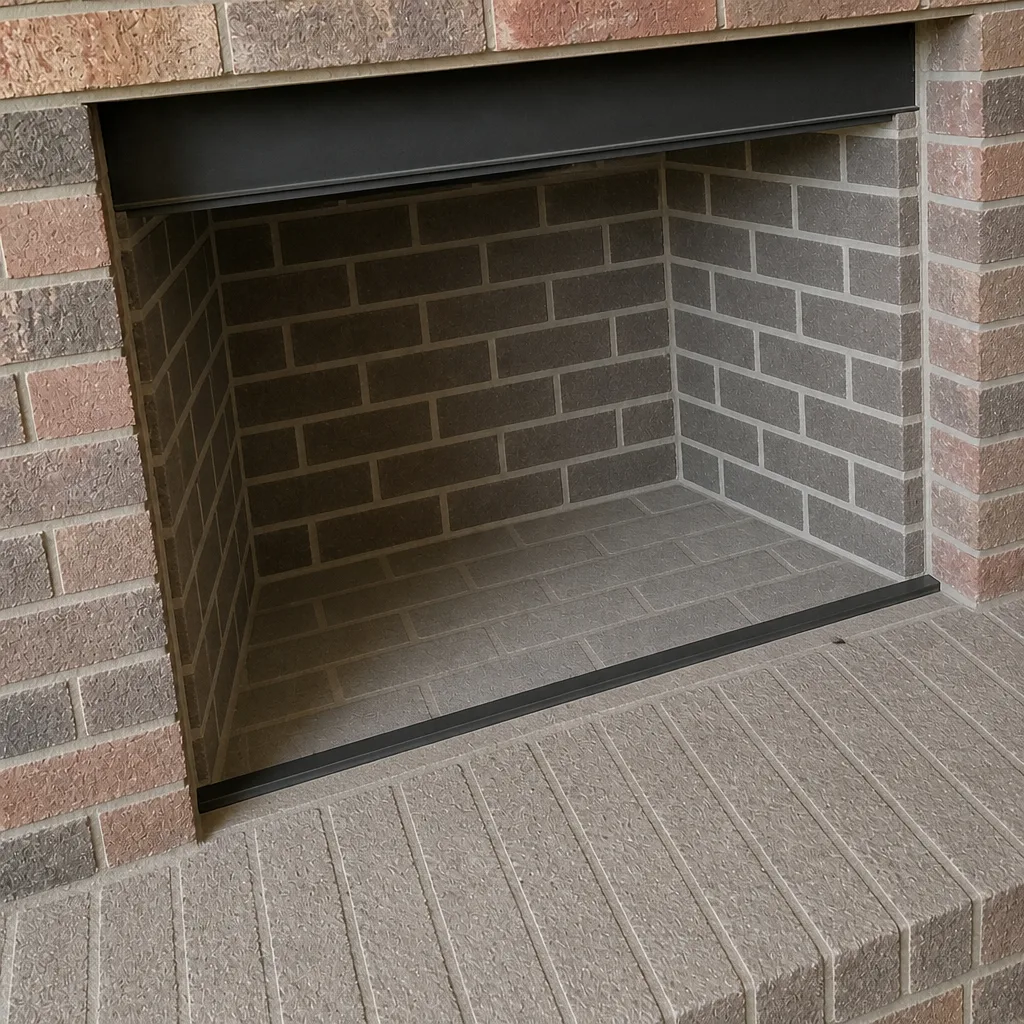
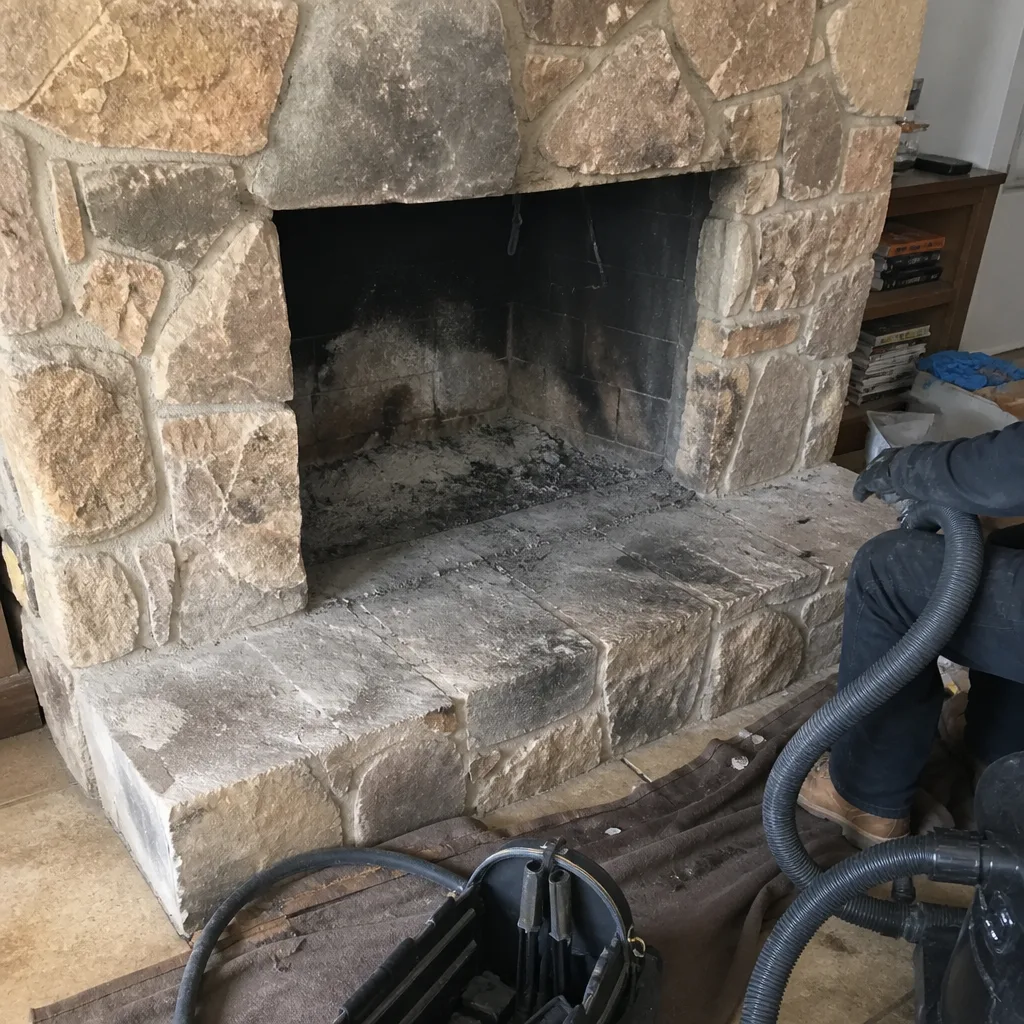
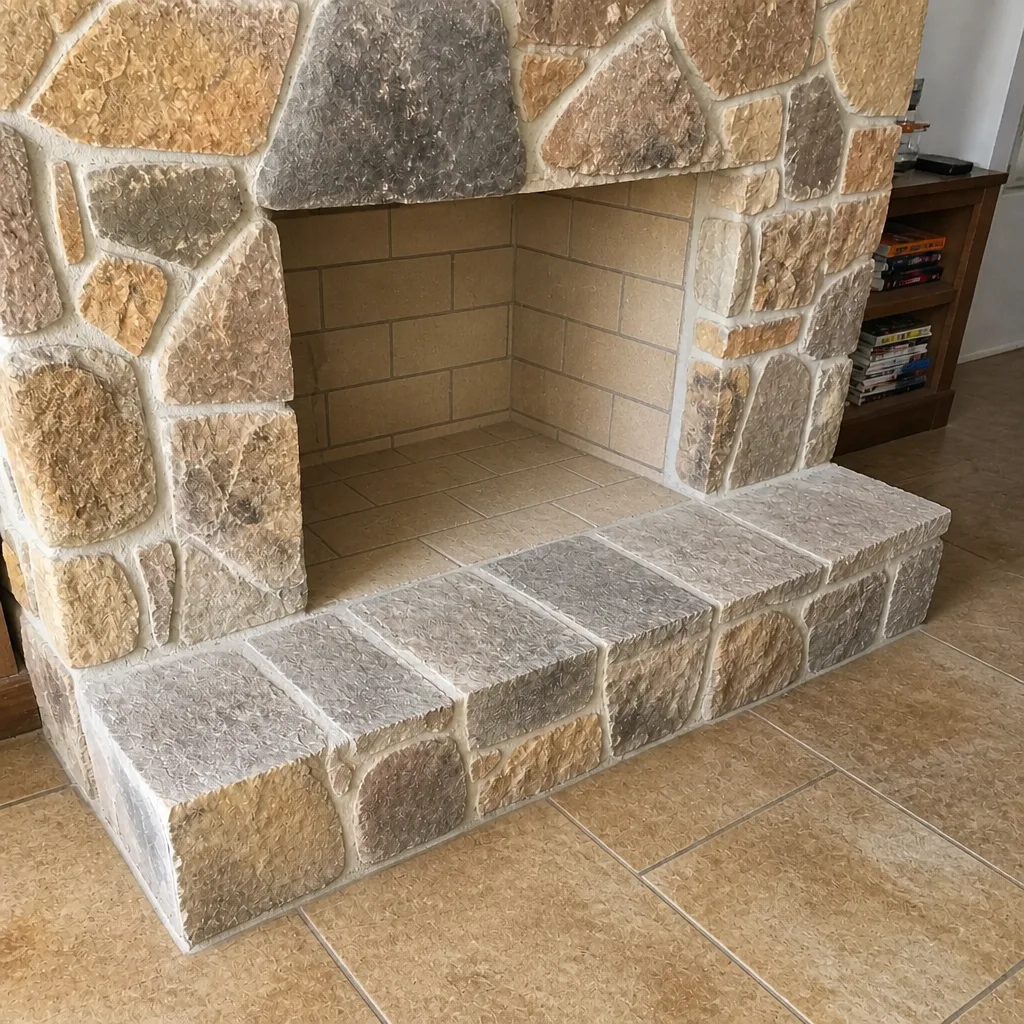
See the difference
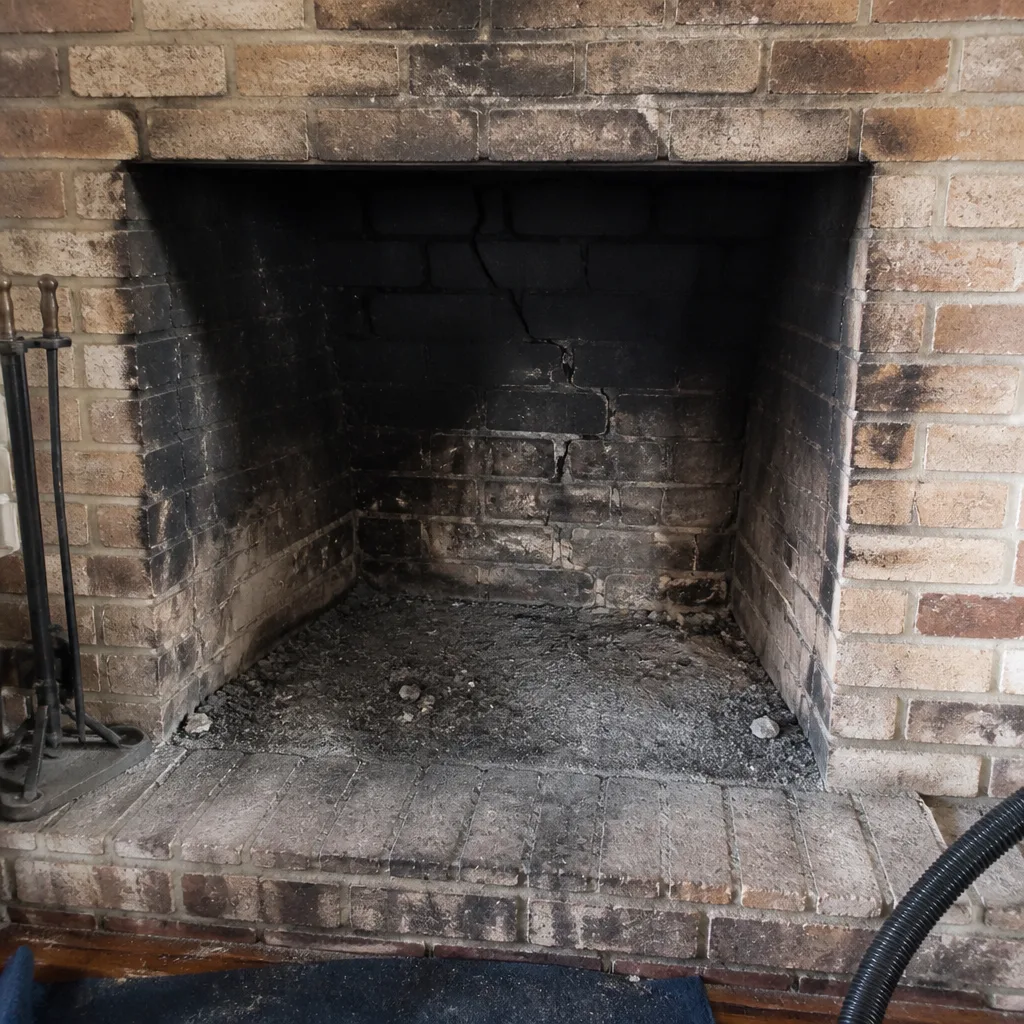 Before
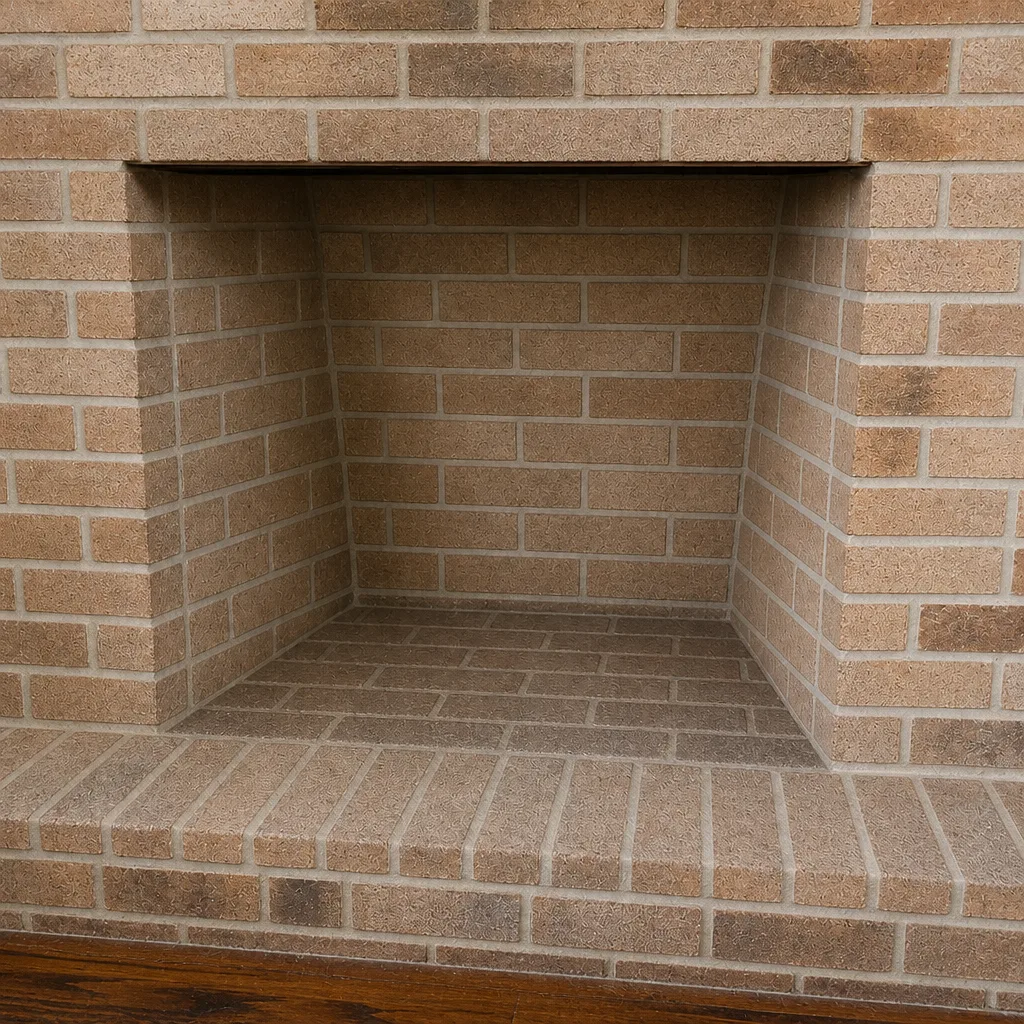 After
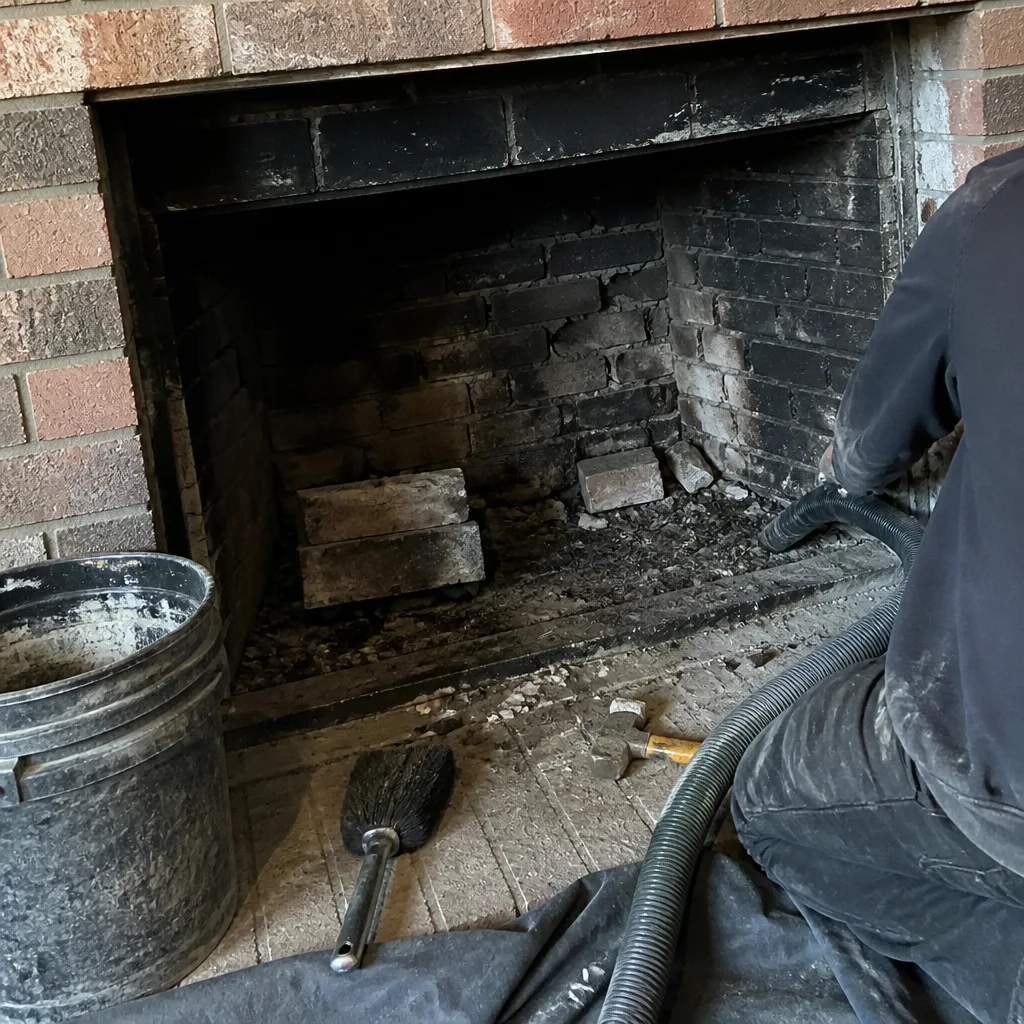 Before
 After
 Before
 After
When to Call a Professional
Some chimney problems can wait, and some can’t. Call a professional when you smell a strong creosote odor inside the house, when smoke backs into the room instead of going up the flue, when you see visible staining on the chimney exterior or ceiling near it, or when you’ve burned through a full season without a sweep. Call if a previous inspection flagged something you haven’t had fixed, if a bird or animal has nested in the flue, or if you’ve never had the chimney inspected since moving in. Call too if a prior report recommended work and you want an independent second look before committing to it. Chimney Sweep Amarillo offers free estimates in Amarillo – call (888) 527-6071. And if you’re not sure whether your situation qualifies, ask. That question is free too.
Frequently Asked Questions
A standard sweep in Amarillo typically runs in the mid-hundreds, and any repair work is priced separately by a written estimate after the inspection. The estimate sets the final price, so ask for it in writing before scheduling. Call (888) 527-6071 for an exact quote – estimates are free.
Not always. A liner replacement is only necessary when the liner itself can’t be restored – and in many cases a resurfacing system like HeatShield can repair a damaged liner without the cost of a full reline. The right answer depends on what the inspection actually finds. Have a contractor show you photos of the liner before you agree to a replacement.
For a wood-burning fireplace in regular use, an annual sweep and inspection is the standard. Gas appliances and infrequently used fireplaces can go a bit longer, but the inspection should still happen yearly to catch liner and cap issues. If you’ve burned through a full season since the last sweep, book one before the next.
Creosote builds up in the flue and, in large amounts, it’s the fuel source for a chimney fire. Skipping it also means going without an inspection, so a cracked liner or damaged crown goes unnoticed. Those conditions can create a carbon monoxide risk or allow a flue fire to start. Skipping the sweep saves money now and pushes the cost and the risk to later. Call (888) 527-6071 to book the sweep and inspection together.
Yes, and this is the better arrangement. When cleaning and repair come from the same contractor, the findings come from the same company that will fix them. That eliminates the scope disputes that arise when a cleaner hands you a list and a different company gives you a second diagnosis. Chimney Sweep Amarillo handles sweeping, inspection, and repair as one connected job.
CSIA certification for the sweep and technician, and NFI certification if your hearth appliance needs work. Both credentials should be current, and you should be able to verify one of them on the spot. Ask for liability insurance documentation at the same time. If a contractor can’t produce either, keep looking.
The Bottom Line
Hiring a chimney contractor in Amarillo comes down to one distinction: the specialist who can sweep, inspect, and repair versus the generalist who can only sweep. Verify CSIA or NFI certification on the spot, confirm liability insurance in writing, and ask whether the report comes with photos and a written estimate. A qualified contractor tells you what can wait and what can’t, and the findings come from the same company that will do the fix. That single arrangement removes the gap where problems go unaddressed – and it’s the difference between a cleaned flue and a safe one.
If your chimney is past due for a sweep, or if you’ve received a report and want a second look before committing, call Chimney Sweep Amarillo at (888) 527-6071 for a free estimate. We answer 24/7, and fast dispatch from 7am to 7pm, Sunday through Friday, is available when you’re ready to book. One call covers the sweep, the inspection, and the fix. You can also start at our Chimney Sweep Amarillo homepage to see the full scope of what we do.
Written by the team at Chimney Sweep Amarillo.