
Last updated November 16, 2026
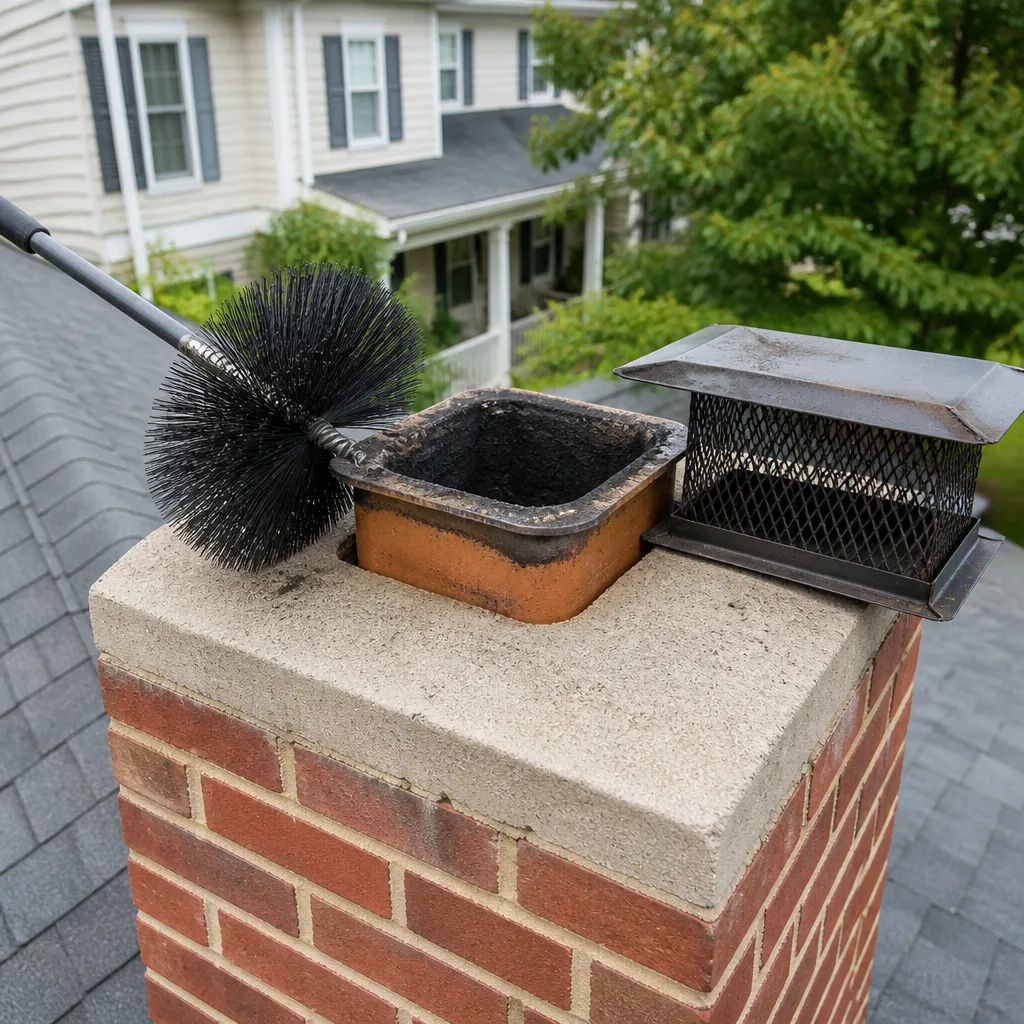 Sweep & inspection
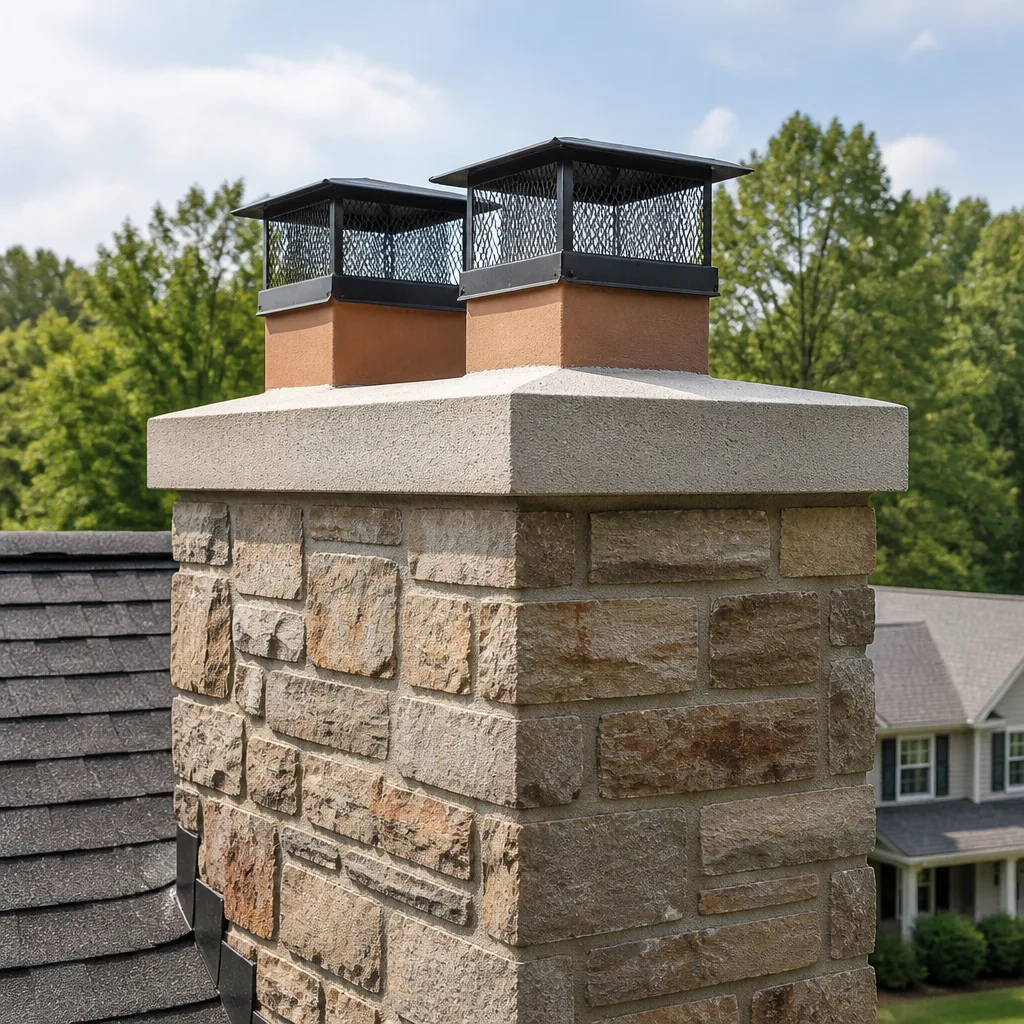 Caps & crowns
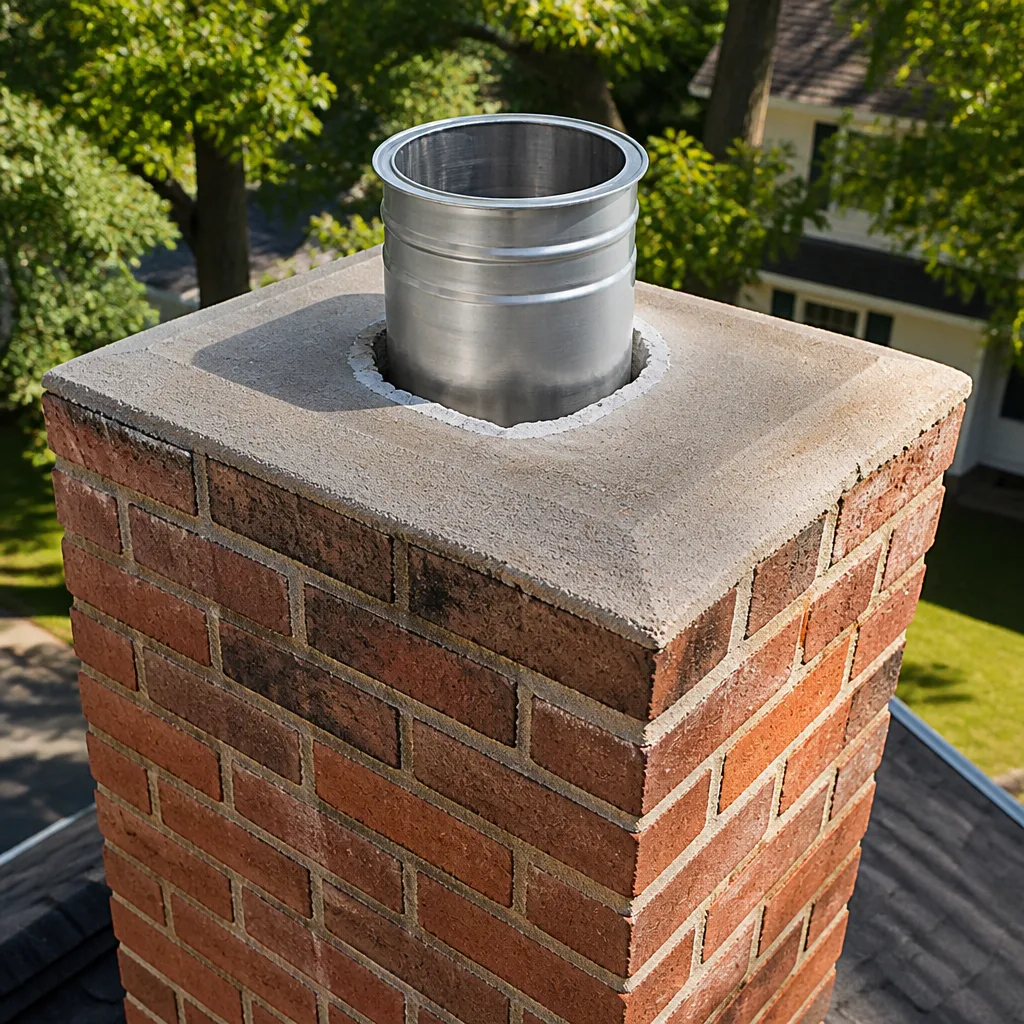 Flue relining
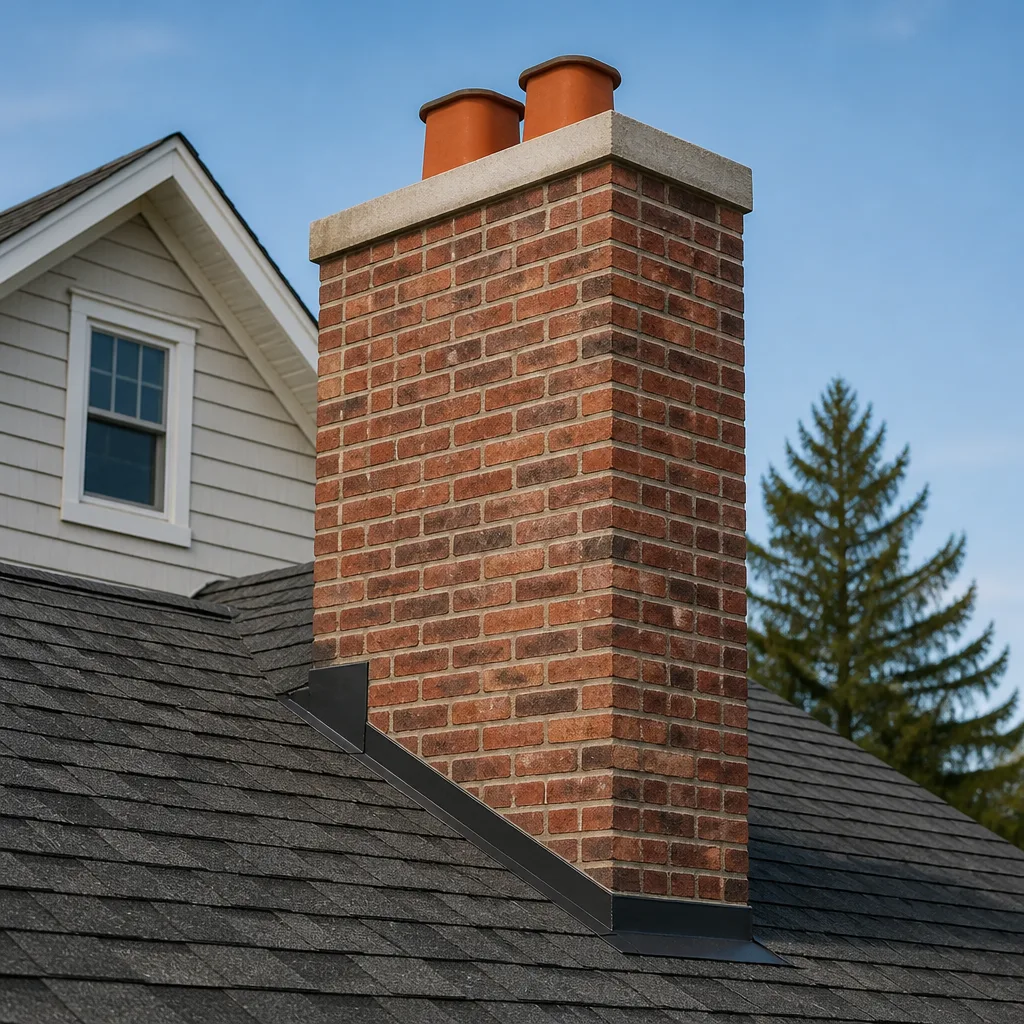 Masonry repair
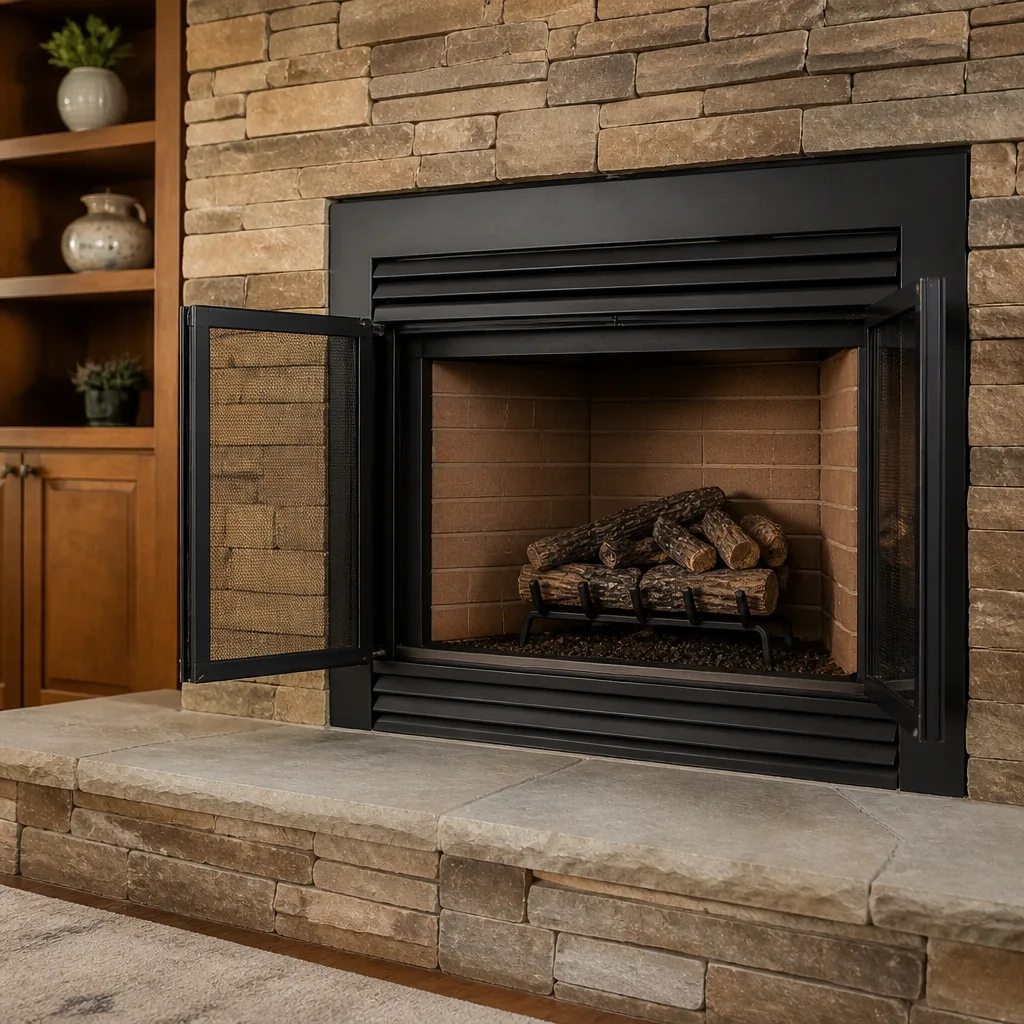 Gas fireplace service
Level 1 sweep and inspection to the NFPA 211 annual standard - flue, crown, cap, and flashing checked and photographed
Chimney sweep logs do not sweep chimneys. They loosen some creosote - which then falls where a brush and vacuum still have to collect it.
Seasonal Chimney Cleaning Care for Amarillo: Year-Round Homeowner’s Guide
Amarillo does not heat and cool on a schedule. The Panhandle can drop into a hard freeze in October and then hand you a late freeze in March, and plenty of homeowners light the first fire of the season weeks before they planned to. That makes the usual advice to “sweep in September and forget it” too simple for this region. A flue that sits all summer collects debris, bird activity, and moisture damage, and it can be months before anyone looks up it again. This guide maps chimney care to how Amarillo weather actually behaves, so you know what to check, when to book the sweep, and what can safely wait.
Styles & brands we work with
- Sweep & inspection
- Caps & crowns
- Flue relining
- Masonry repair
- Gas fireplace service
Quick Answer
In Amarillo, the best time to book a chimney sweep is late summer into early fall, before the first cold snap, with a follow-up look in spring after the last freeze. Wood-burning fireplaces here get used from roughly October through March, and gas fireplaces run in shorter bursts across a longer stretch, so an annual sweep and inspection tied to actual use beats a fixed national calendar. If the chimney has gone a year or more without a look, book before the first fire, not after.
Table of Contents
- Quick Answer
- When Do Amarillo Homeowners Actually Use Their Fireplaces?
- Why Late Summer Is the Worst Time to Skip an Inspection in the Panhandle
- What to Check After an Amarillo Ice Storm
- Spring Tasks That Protect the Chimney During Its Off Months
- How to Handle a Chimney That Hasn’t Been Used in 12+ Months
- What Actually Happens During a Sweep and Inspection
- What You Can Check Yourself and What You Can’t
- Common Mistakes to Avoid
- When to Call a Professional
- Frequently Asked Questions
- The Bottom Line
When Do Amarillo Homeowners Actually Use Their Fireplaces?
Amarillo’s wood-burning season runs about October through March, but it doesn’t stay cold the whole time. The region gets cold snaps in October, stretches of mild weather in between, and late freezes in March. That on-again, off-again pattern matters for chimney care because every fire adds creosote and every cold snap is a reason someone lights up without thinking about the flue. Gas fireplaces follow a different rhythm. They get used in shorter bursts across a longer stretch, often for the look of a fire on a cool evening rather than a full heating season.
What this means for scheduling:
- Wood-burning fireplaces build creosote steadily through the cold months. By March, a flue that started the season clean can be due again, depending on how often it was used and how the fire was run.
- Gas fireplaces don’t produce creosote the way wood does, but they still collect dust, debris, and vent blockages, and the venting needs to be checked.
- Year-round burners who use the fireplace on cool spring and fall evenings should treat the sweep as an annual constant rather than a fall-only task.
You’ll hear the national advice about sweeping in fall, and it isn’t wrong, but in Amarillo the season can start before the calendar says it should. Booking the sweep in late summer or early fall means the chimney is ready when that first October cold snap hits. If you’re in Amarillo and can’t remember the last time the flue was cleaned, that’s a sign to book now rather than wait for a scheduled season that may already be underway.
One practical note: the first fire of the year is often the one that reveals a problem, because that’s when the smell of a cold flue, a draft that doesn’t draw, or smoke backing into the room becomes obvious. Having the sweep done before that fire means you find out about a problem when it’s fixable, not when you’re standing in a smoky living room.
Why Late Summer Is the Worst Time to Skip an Inspection in the Panhandle
Late summer is when a chimney sits idle the longest, and it’s also when the Panhandle’s heat, pest activity, and monsoon moisture do the most quiet damage. Heat expansion and contraction works on masonry and mortar joints. Birds, squirrels, and insects look for a dry place to nest, and an uncapped flue is exactly that. Monsoon moisture in July and August finds its way into cracks, into the flue itself, and into the firebox, and it stays there because nothing is burning to dry it out.
What accumulates over a summer with no inspection:
- Nesting material. Birds and small animals move into open flues and build nests that block the draft and become a fire hazard. Caps and screens prevent this, which is why we work with chimney sweep gear alongside chimney repair and cap components from Gelco and Famco.
- Moisture intrusion. Summer storms push water into cracks in the crown and mortar. Left alone, that water freezes in the first cold snap and widens the cracks.
- Creosote from last season. The soot and creosote left from the previous winter has sat all summer. It doesn’t go away.
- Debris from trees and wind. Leaves, twigs, and grit collect on the smoke shelf and in the flue.
That’s why we don’t treat the fall sweep as a formality in Amarillo. It’s a check on a flue that has been sitting through the region’s hottest, driest weeks and its wettest ones. The inspection catches what the summer left behind before the first fire turns it into a problem. Skipping it is the single most common mistake we see, and it’s also the easiest to avoid.
If you’ve been meaning to get to it and the season is getting close, that’s the moment to call. A sweep and inspection booked before the cold sets in gives you time to fix anything found, rather than finding out mid-season with a flue that needs work.
What to Check After an Amarillo Ice Storm
Amarillo’s ice storms are the event most likely to crack chimney masonry, and they do it faster than sustained cold because of freeze-thaw pressure. Water gets into a mortar joint or a crack in the crown, freezes overnight, expands, and thaws the next day. Repeat that over a few days and a hairline crack becomes a real one. The damage happens at the top of the chimney and in the crown, which is exactly where homeowners don’t look.
After an ice storm, check these before you light another fire:
- The crown. Look for new cracks or pieces that have shifted. A cracked crown lets water into the masonry below it.
- Mortar joints. Look for crumbling or gaps between bricks, especially on the side most exposed to weather.
- The cap and screen. Ice and falling debris can bend or dislodge a cap, which leaves the flue open to water and animals.
- The flashing where the chimney meets the roof. Separated flashing lets water run down the chimney and into the house.
- The firebox and damper. Check for signs of water, spalling brick, and a damper that no longer closes cleanly.
We’ve seen how quickly a small crack becomes a repair job after a Panhandle ice event, and it’s usually the joints that were already weak. If your chimney has a crown or mortar issue, a proper repair uses materials made for the job, which is why we work with Chimney Sweep Amarillo and HeatShield for resurfacing rather than patching a crack with whatever is on hand. HeatShield is the industry’s leading resurfacing system, and it lets us restore a flue that would otherwise need a full reline. After an ice storm, the right move is to have the chimney looked at before the next cold snap does more damage.
Spring Tasks That Protect the Chimney During Its Off Months
Spring is the best time to protect a chimney for the nine or so months it isn’t in heavy use in Amarillo. The heating season is winding down, the last freeze has usually passed, and any damage from the winter is easy to spot. A spring check now saves a scramble in the fall, and it catches the problems that would otherwise sit and get worse over the summer.
The spring checklist:
- Do a visual check from the ground. Look at the crown, the cap, the flashing, and the mortar joints. Binoculars help.
- Book a sweep if the winter was heavy. A wood-burning fireplace used through the season has creosote to clear, and spring is a calm time to get it done.
- Check the cap and screen. A missing or damaged cap is an open door for birds, squirrels, and rain all summer. Cap and venting components from Gelco and Famco are part of what we install.
- Clear the firebox. Remove ash and leftover wood so it doesn’t hold moisture and attract pests over the summer.
- Look for water stains. Stains on the ceiling or the chimney breast mean water is getting in somewhere, and spring is the time to find it.
- Schedule any repairs now. Repair work done in spring means the chimney is ready before the fall rush.
Spring in Amarillo is also when the wind picks up and moves loose debris around, so a cap that’s already weak can fail. Checking it now is easier than finding out in October. If the winter left the flue dirty or the crown is showing its age, book the work while the weather is mild.
How to Handle a Chimney That Hasn’t Been Used in 12+ Months
A chimney that has sat unused for a year or more needs a full inspection before the first fire, not just a quick look. Long dormancy is when moisture damage, pest nests, and cracked masonry are most likely to have gone unnoticed. In our experience, the longer a flue sits idle in the Panhandle, the more likely the first fire will reveal a draft problem or a smell that points to something that needs attention.
Before lighting that first fire after a long pause:
- Book a professional inspection. A trained eye with a camera can see the flue, the smoke shelf, and the firebox in a way you can’t from below.
- Have the flue swept. Even if it looks clean, a dormant flue collects debris and nests that need to come out.
- Check the damper. A damper that’s stuck or rusted needs to be freed or repaired before use.
- Look at the cap. A cap that came loose over the idle months should be re-seated or replaced.
- Test the draft with a small fire first. A slow start tells you if the flue is drawing before you commit to a full fire.
If the chimney has been idle more than a year, don’t skip the professional inspection. The inspection is what tells you whether the flue is sound, and it’s the difference between a safe first fire and one that fills the room with smoke. Book it early so there’s time to fix anything found before the cold returns.
What Actually Happens During a Sweep and Inspection
A sweep and inspection is a two-part job: the sweep clears the flue, and the inspection checks the whole system. In Amarillo, we do both in one visit, which matters because inspection without repair capability is just paperwork. When the inspection finds something, the same crew that found it can fix it. Here’s how a typical visit goes.
- We protect the room. Drop cloths go down before any work starts, and the sweep is set up so soot stays in the flue, not on your floor.
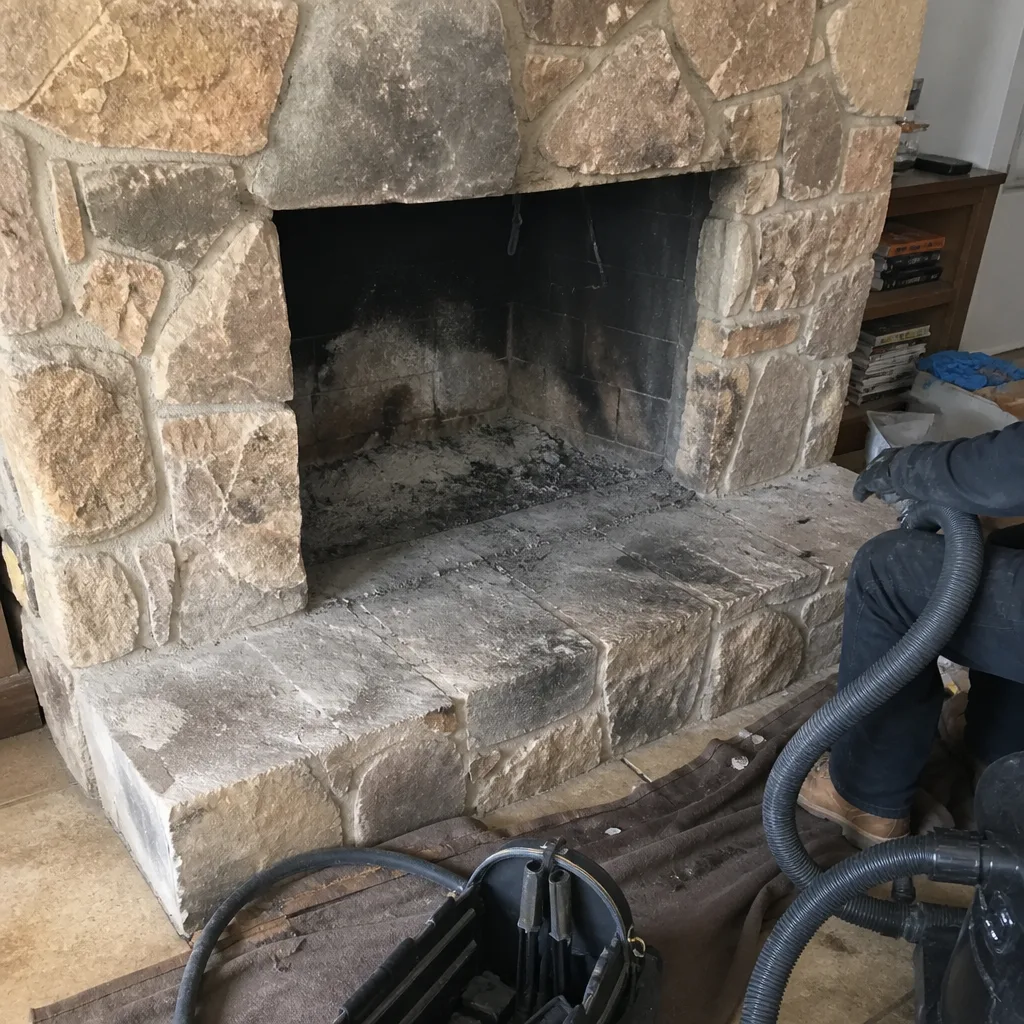
- We sweep the flue. Brushes clear the creosote and soot from the flue, the smoke chamber, and the firebox. Some jobs need more than others depending on how the fire was run.
- We inspect with a camera. A camera goes up the flue to check for cracks, gaps, and blocked areas. The photo record is yours to keep, so you can see what we see.
- We check the top. The crown, cap, flashing, and mortar joints get a look from the roof or with a camera, depending on access.
- We give you the findings. Anything that needs repair is explained with the photo evidence, so you decide with the facts in hand.
That last point is the one homeowners care about most. Nobody wants to be told they need thousands of dollars of work they can’t verify. The camera evidence lets you see the problem yourself, and we’ll tell you plainly when a repair can safely wait. The sweep is a booked service, and the price is set per job by a written estimate agreed before we start. We work with DuraFlex and Olympia Chimney liner systems when a flue needs a new liner, which means a custom-fit solution for both standard and non-standard flue configurations rather than a one-size-fits-all part.
What You Can Check Yourself and What You Can’t
There’s a useful line between what a homeowner can check and what needs a trained professional. The homeowner checks are visual and low-risk. The professional checks involve the flue interior, the crown, the flashing, and anything that could put you on a roof or into a hazardous situation.
What you can safely check:
- The cap and screen from the ground, with binoculars. Look for damage or missing pieces.
- The crown from the ground. Look for cracks or loose pieces.
- The firebox for obvious cracks, water stains, or spalling brick.
- The damper for smooth operation and a clean close.
- The flue with a flashlight, from below, for obvious blockages. Don’t reach inside.
What needs a professional: the flue interior beyond what a flashlight shows, the smoke chamber, the crown and flashing on the roof, and any repair that involves the structure of the chimney or a liner. A chimney that needs a new liner is not a do-it-yourself job, and a cracked crown repaired with the wrong material fails again in the next ice storm. The right materials matter, which is why we work with Copperfield and HeatShield rather than whatever ships fastest. When the inspection finds a problem, the same crew fixes it, so there’s no gap between “we found it” and “it’s done.”
Common Mistakes to Avoid
- Treating the sweep as a September-only task. Amarillo’s cold snaps come early and late, so a sweep in September can miss problems that show up in October or at the end of a long season. Match the schedule to how you actually use the fireplace.
- Skipping the inspection because the flue looks clean from below. The flue interior, the smoke chamber, and the crown are where the real issues hide, and a look from the firebox doesn’t show them. The camera is what finds the cracks a flashlight misses.
- Ignoring the cap. An uncapped flue is an open invitation for birds, squirrels, and rain all summer. In a windy Panhandle spring, a loose cap fails fast.
- Burning wet or unseasoned wood to stretch the season. Wet wood builds creosote faster and makes the next sweep heavier. The savings in firewood aren’t worth the buildup.
- Waiting for a smell or a smoke backup before booking. The smell and the smoke are symptoms of a problem that’s already there, not the start of one. Book before the season, not after the first smoky fire.
- Letting a cracked crown sit through the winter. Freeze-thaw pressure in an Amarillo ice storm widens cracks fast, and small repairs turn into bigger ones. Spring is the time to fix it.
- Getting an inspection from a company that can’t do the repair. Inspection without repair capability means a second call, a second appointment, and a gap where the problem sits. One company for the sweep, the inspection, and the fix keeps the work moving.
When to Call a Professional
Call a professional when the chimney has gone a year or more without a sweep or inspection, when you smell smoke in the room with the damper open, when you see water stains near the chimney breast, or when the crown or mortar joints show cracks after an ice storm. Call before the first fire of the season, not after. Call if a chimney that has sat unused needs a look, or if an inspection from another contractor found a problem and you want it fixed rather than just reported. Chimney Sweep Amarillo offers free estimates in Amarillo. Call (888) 527-6071. We answer 24/7. Fast dispatch from 7am to 7pm, Sunday through Friday. The price is set per job by a written estimate, and nothing is recommended without camera evidence you can see.
Frequently Asked Questions
The best time is late summer into early fall, before the first cold snap, with a follow-up look in spring after the last freeze. Amarillo’s season runs roughly October through March, and the early and late cold spells are when a dirty flue causes the most trouble. If the chimney has gone a year or more without a look, book before the first fire. Call (888) 527-6071 for an exact quote; estimates are free.
Once a year is the standard, and for a wood-burning fireplace used regularly in Amarillo that annual sweep is the baseline. A fireplace used heavily or burned with wet wood may need attention sooner. The inspection tells you what the year’s use actually added. Call (888) 527-6071 and we’ll book the sweep and inspection together.
Not always. A liner is only recommended when the inspection shows the existing flue is cracked, damaged, or unsafe, and the camera evidence lets you see why. In many cases HeatShield resurfacing restores a flue without the cost of a full reline, so the right repair may be less than you expect. Nothing is recommended without evidence you can see. Call (888) 527-6071 for an exact quote; estimates are free.
Creosote and soot build up in the flue, and that buildup is a fire hazard. In Amarillo, a skipped sweep also means summer debris, pest nests, and moisture damage go unnoticed until the first fire of the season. The risk is real, and the fix is a booked sweep before the cold returns. Call (888) 527-6071 to get on the schedule.
Book a professional inspection before you light any fire. A dormant flue can have pest nests, water damage, or a stuck damper, and none of that is visible from the firebox. Have it swept and inspected together, then test the draft with a small fire. Call (888) 527-6071 for an exact quote; estimates are free.
Check the crown, the mortar joints, the cap, the flashing, and the firebox for new cracks or damage. Freeze-thaw pressure widens cracks faster than sustained cold, so the days after an ice event are the time to look. If anything looks wrong, book an inspection before the next fire. Call (888) 527-6071. We answer 24/7. Fast dispatch from 7am to 7pm, Sunday through Friday.
The Bottom Line
Chimney care in Amarillo doesn’t follow the tidy four-season calendar. The season starts early, runs long, and pauses and restarts in between, so the right schedule is built around how you actually use the fireplace. Book the sweep and inspection in late summer or early fall, check the crown and cap after an ice storm, and use spring to catch the damage the winter left and the summer would otherwise finish. If the chimney has sat a year or more, get it inspected before the first fire. For the chimney inspection in Amarillo homeowners schedule before the cold sets in, call (888) 527-6071. We answer 24/7. Fast dispatch from 7am to 7pm, Sunday through Friday. Our technicians have up to 15 years of experience, and the estimate is free. The price is set per job by a written estimate.
Written by the team at Chimney Sweep Amarillo.
See the difference
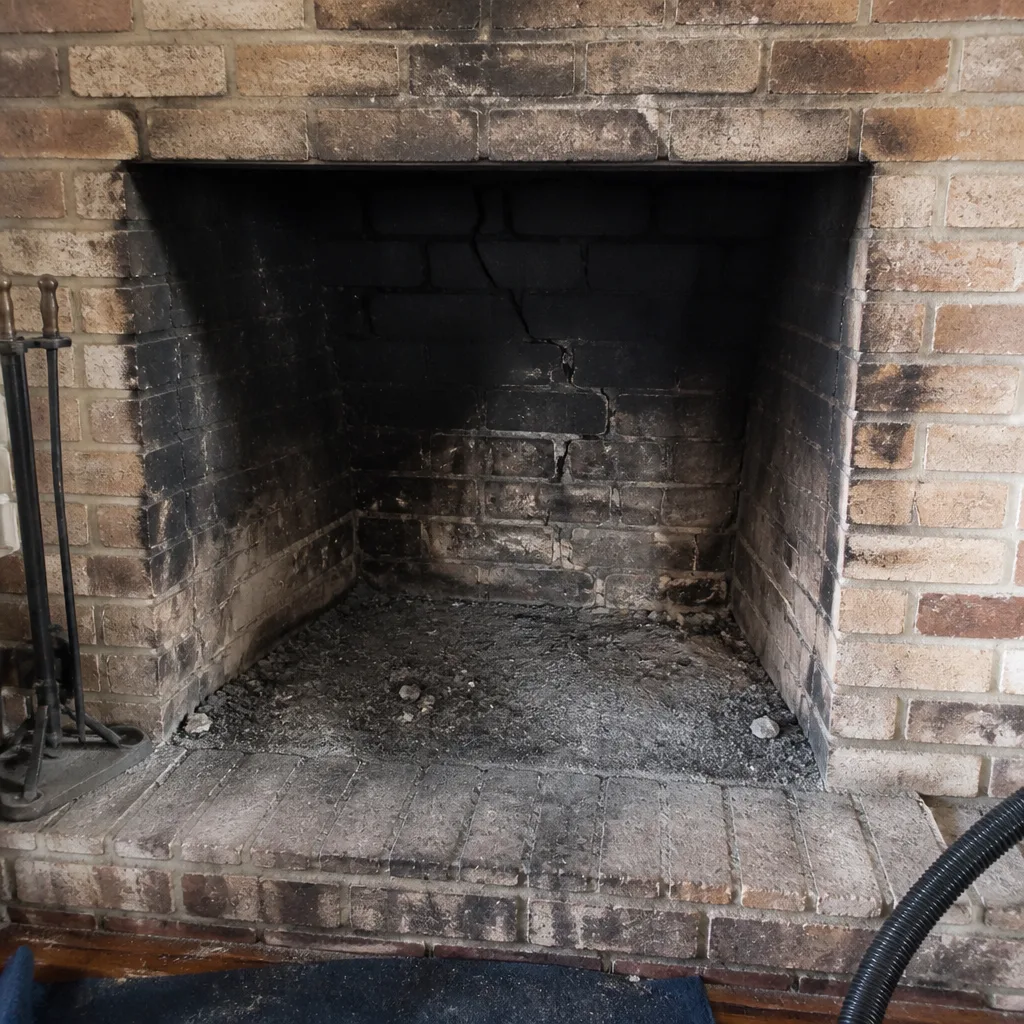 Before
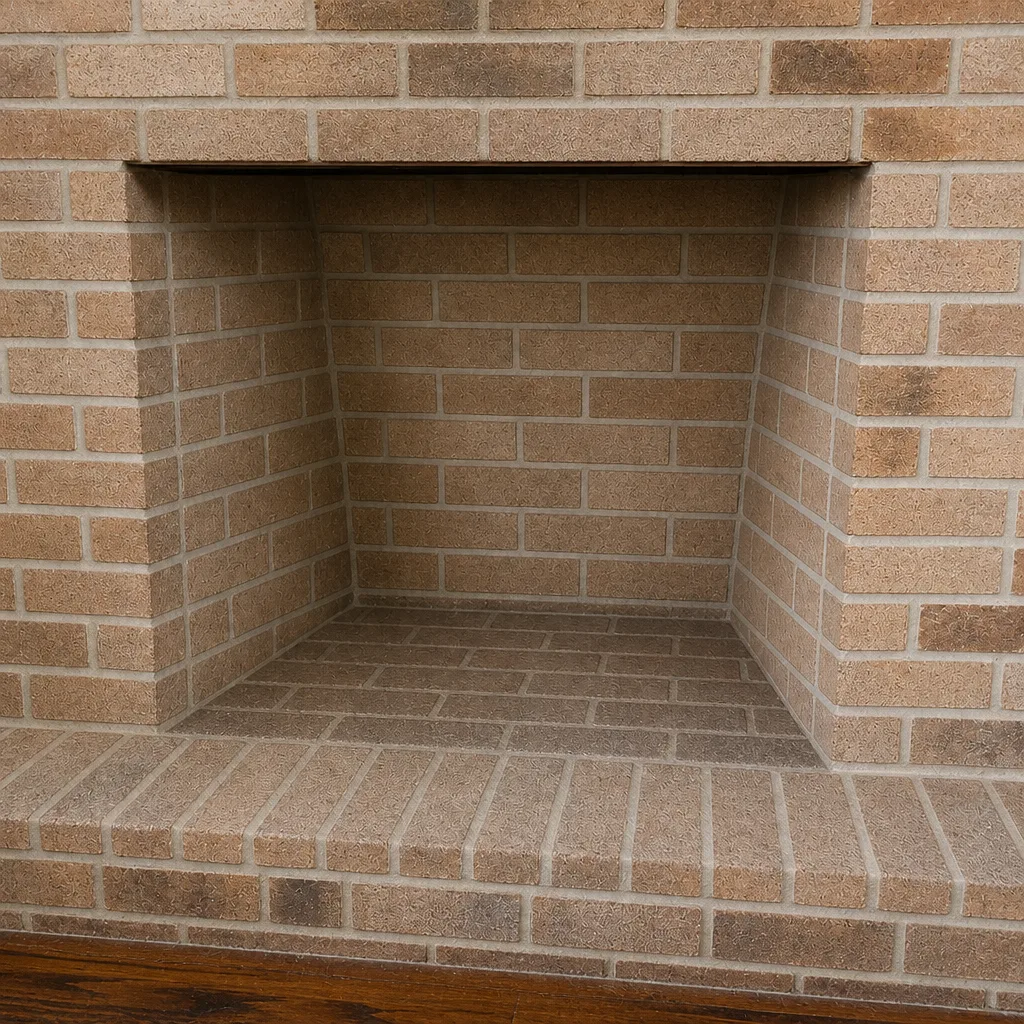 After
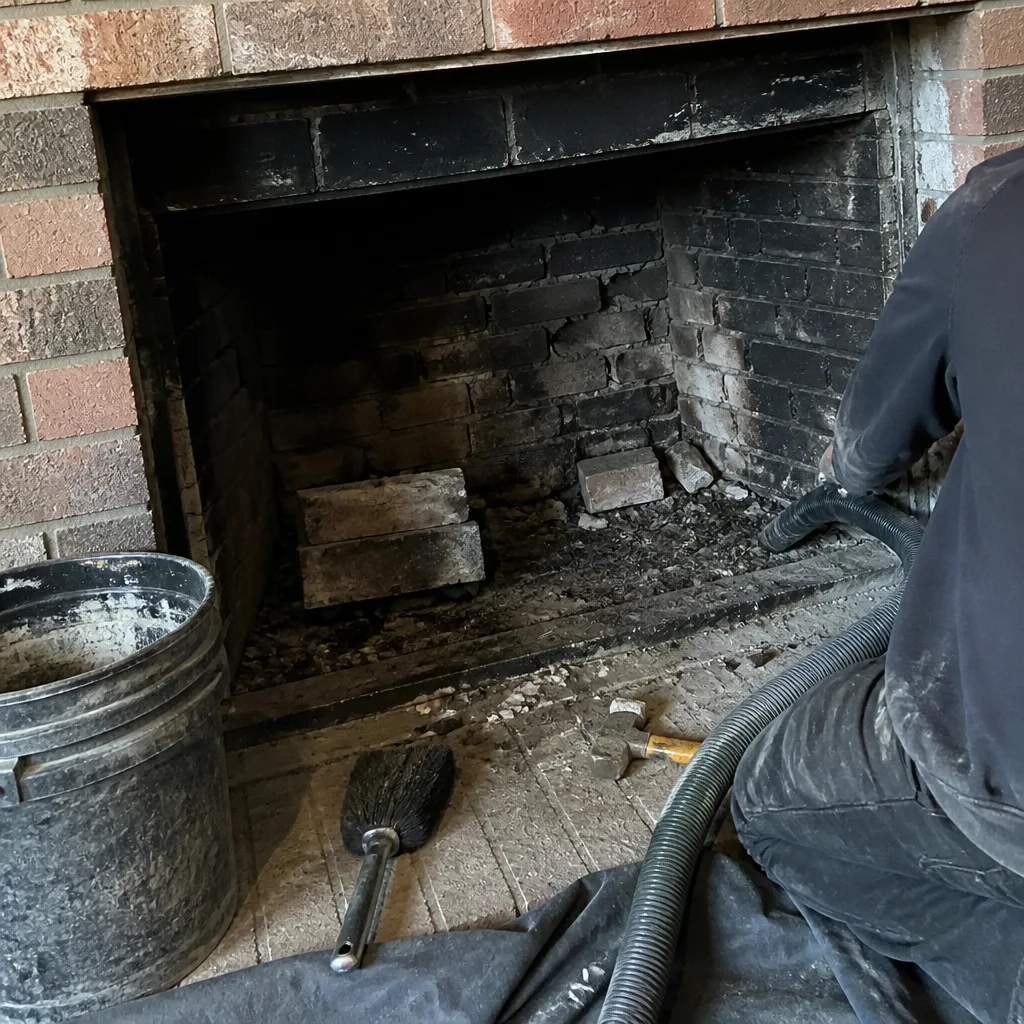 Before
 After
 Before
 After