
Last updated November 16, 2026
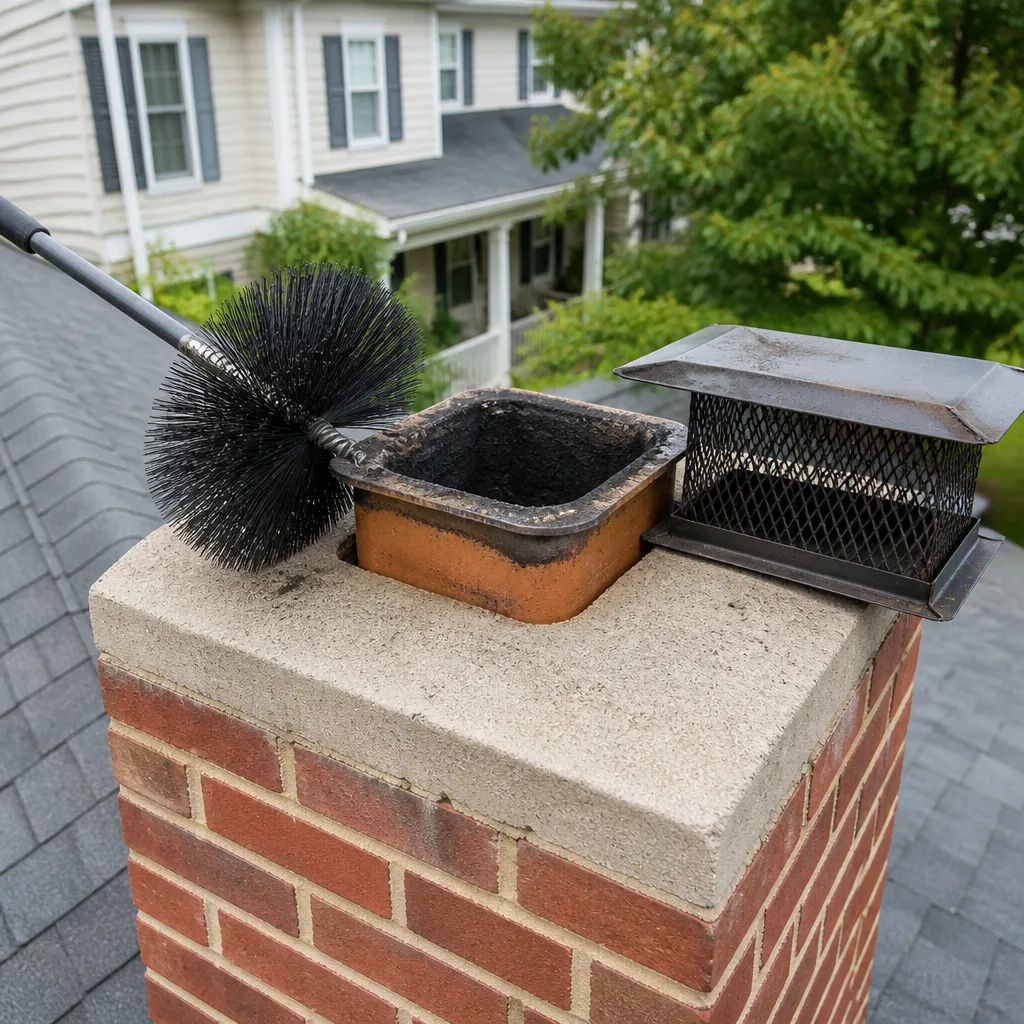 Sweep & inspection
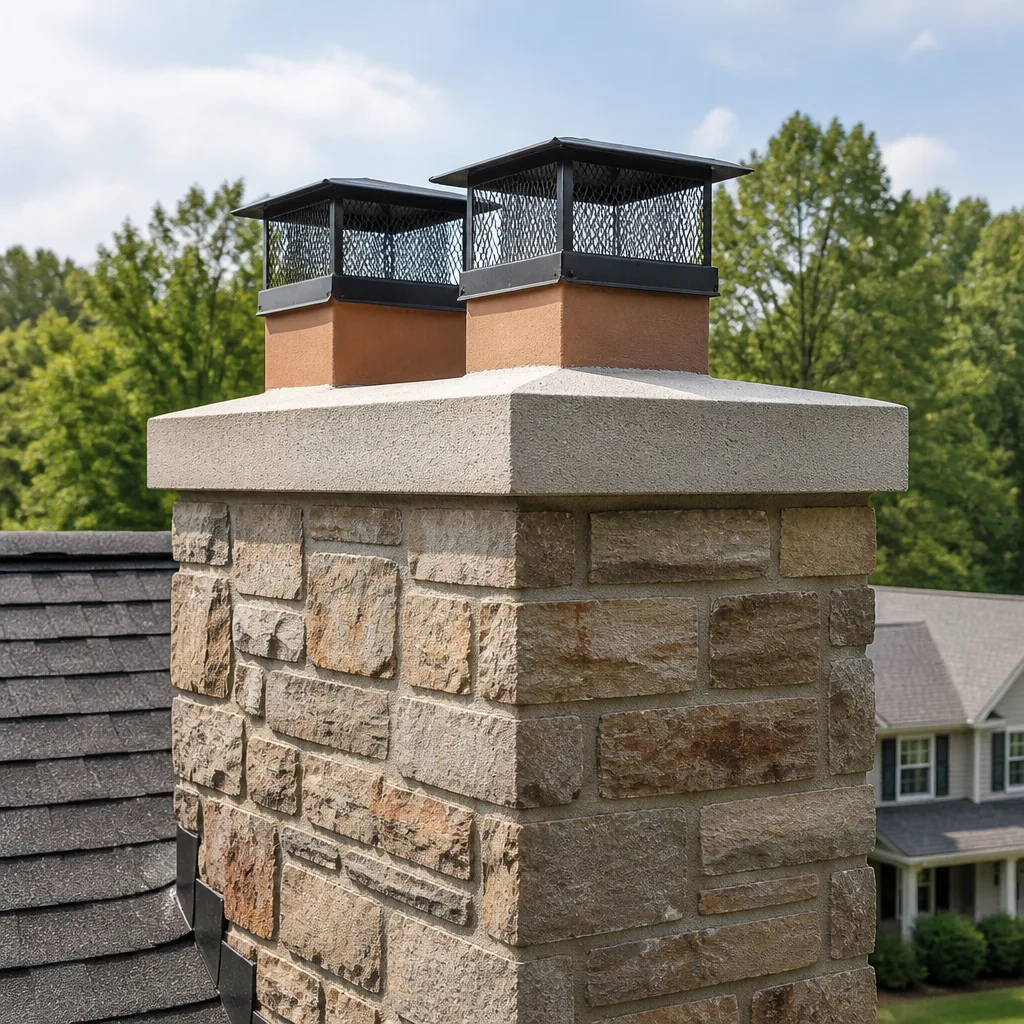 Caps & crowns
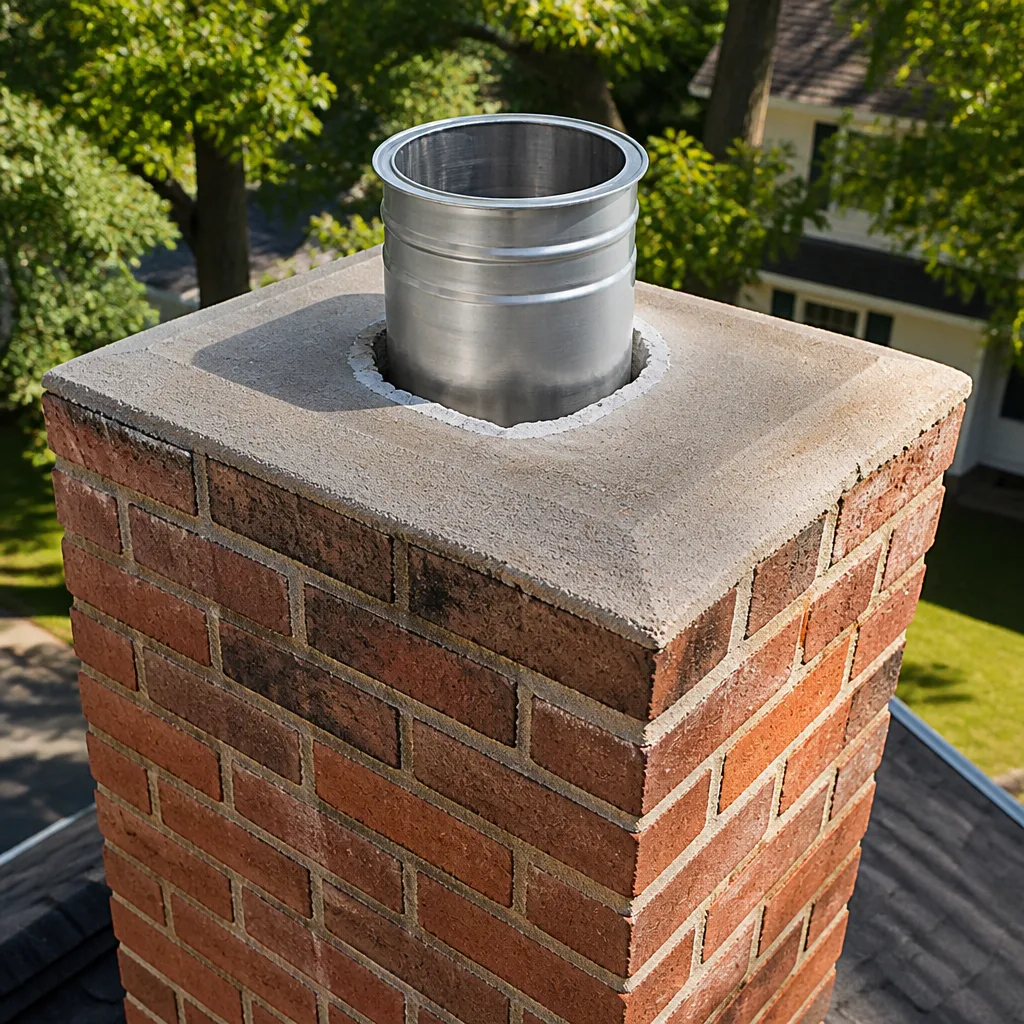 Flue relining
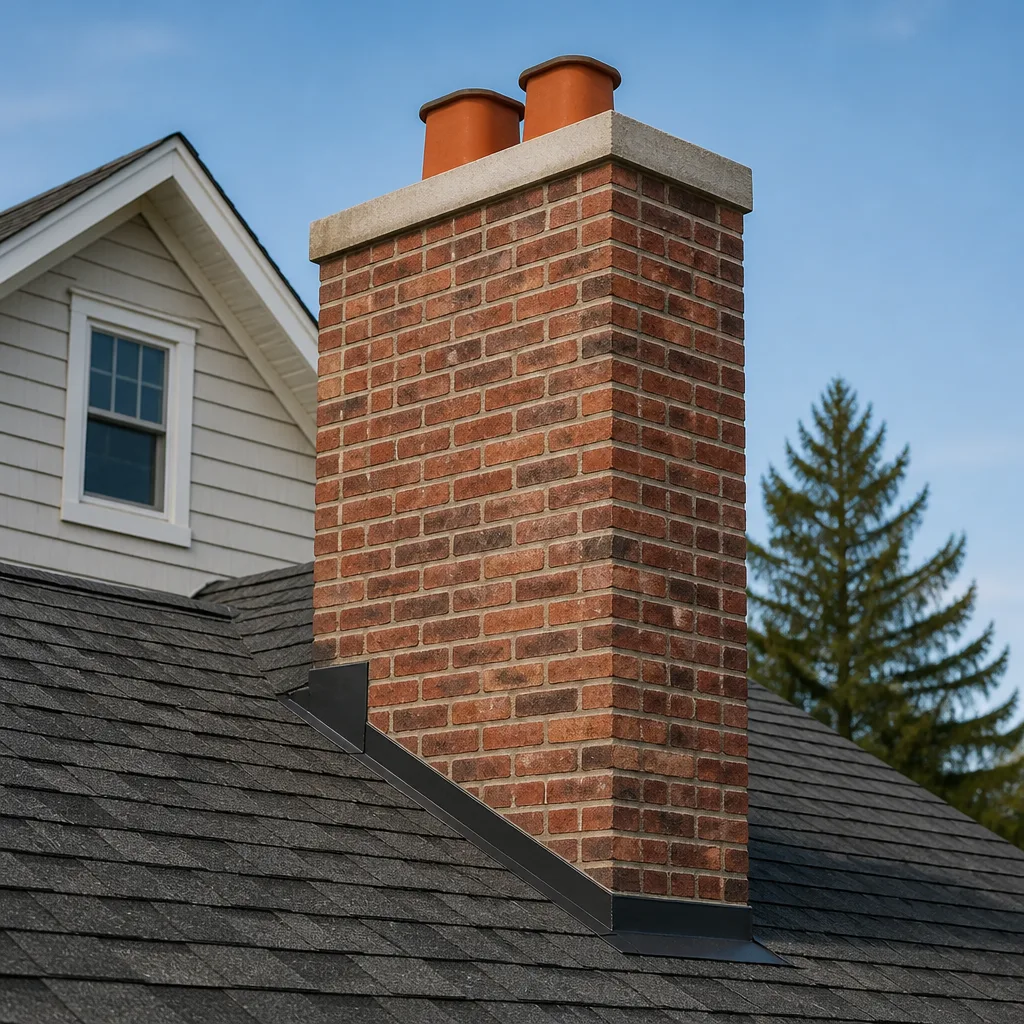 Masonry repair
 Gas fireplace service
Level 1 sweep and inspection to the NFPA 211 annual standard - flue, crown, cap, and flashing checked and photographed
Chimney sweep logs do not sweep chimneys. They loosen some creosote - which then falls where a brush and vacuum still have to collect it.
DIY vs Professional Chimney Cleaning: The Amarillo Homeowner’s Decision Guide
Chimney brushes remove loose soot. They don’t remove stage-two or stage-three creosote, assess liner integrity, identify hairline cracks, or catch the bird nest wedged above the smoke shelf. That’s the gap between a clean-looking chimney and a safe one. If you’re mechanically inclined, you can physically push a brush up a flue. The question this guide answers is whether that brush work addresses what actually causes chimney fires and carbon monoxide incidents in Amarillo homes. We’ll walk through what DIY cleaning accomplishes, what it structurally cannot replace, and where the line between reasonable interim step and false sense of safety actually sits.
Quick Answer
DIY chimney cleaning removes surface soot and light creosote, but it cannot remove glazed stage-three creosote, verify liner integrity, or catch the hidden defects that drive most chimney fires and carbon monoxide problems. A professional sweep pairs rotary brushing with a camera inspection, so the cleaning and the safety check happen together. For Amarillo homeowners burning wood regularly, that inspection half is the part DIY structurally cannot replace.
Styles & brands we work with
- Sweep & inspection
- Caps & crowns
- Flue relining
- Masonry repair
- Gas fireplace service
Table of Contents
- What a Rotary Brush System Actually Removes
- The Three Stages of Creosote and Why It Matters
- When DIY Cleaning Is a Reasonable Interim Step
- When DIY Cleaning Creates a False Sense of Safety
- Amarillo-Specific Risks That Need Trained Eyes
- Equipment Cost Reality Check
- Insurance and Liability After a DIY-Only Cleaning
- What a Professional Sweep Actually Involves
- Common Mistakes to Avoid
- When to Call a Professional
- Frequently Asked Questions
What a Rotary Brush System Actually Removes
A rotary brush system removes the loose, flaky creosote and soot that coats the flue walls after normal burning. When a chimney professional runs a power-driven brush head up a flue, the spinning action knocks that first layer off the masonry or liner and drops it to the firebox for vacuuming. This is the part DIY kits and hand brushes can replicate reasonably well. It’s also the part that produces the satisfying “the chimney looks clean” moment.
What the brush leaves behind is the operative word. Rotary brushing is not designed to remove glazed, tar-like creosote that has baked onto the flue wall through repeated hot burns and cooling cycles. In CSIA training language, that’s stage-three creosote, and it doesn’t scrape off with nylon or poly bristles. It has the consistency of hardened varnish. The same is true of the angled areas a straight brush can’t reach: above the smoke shelf, around the damper frame, in the offset of a prefab flue, and at the very top where the cap meets the crown.
Brush work also does nothing to assess the liner. A brush glides past hairline cracks in a clay tile, gaps in mortar joints, and the early rust-through on a metal liner. It doesn’t tell you whether the flue is sized correctly for the appliance. It doesn’t check the cap, the crown, or the flashing. So while the visible flue may look clean, the structural questions that determine whether the chimney is safe to burn have not been asked.
This is why we describe a real chimney sweep as two jobs in one visit: the cleaning and the inspection. The brush is the first half. The camera and the trained eyes are the second.
The Three Stages of Creosote and Why It Matters
Creosote forms in three recognizable stages, and the stage determines whether a brush is enough or whether something more is needed. Knowing the difference is the single most useful thing an Amarillo homeowner can carry into this decision.
- Stage one: Soot and light, dusty creosote. This is what a routine annual sweep removes easily, whether by hand or with a rotary brush. It’s normal and expected after a season of wood burning.
- Stage two: Crusty, flaky deposits that have begun to adhere to the flue wall. A rotary brush and the right technique can remove most of it. A hand brush and a homeowner working from the firebox usually cannot reach the upper sections thoroughly.
- Stage three: Glazed, hardened creosote that looks like black glass or tar. This is the stage that ignites easily and burns hot enough to damage a liner and spread fire into the framing. It requires professional removal methods and, in some cases, liner resurfacing with systems like HeatShield before the flue is safe to reline.
The reason this matters for a DIY decision is straightforward: a homeowner brushing their own flue will usually get the stage-one and some of the stage-two deposits. Stage-three creosote is precisely what the brush cannot handle, and it’s also the most dangerous material in the flue. The result can be a chimney that looks swept but still carries the highest-risk deposit on its walls.
If you’ve had a firebox full of hard, shiny black buildup, brushing it yourself doesn’t clear the hazard. That’s a job for a trained sweep, and it’s one reason we keep HeatShield-certified repair capability in our service mix. Liner resurfacing can restore a flue that has been damaged by a hot stage-three burn without jumping straight to a full reline.
When DIY Cleaning Is a Reasonable Interim Step
There are genuine scenarios where a homeowner cleaning their own chimney is not reckless. The key is understanding that a DIY sweep is an interim step, not a substitute for inspection, and being honest with yourself about which situation you’re in.
- You’ve burned one or two fires in a season. A lightly used fireplace with a small amount of soot doesn’t accumulate the deposits that demand a full professional visit right away. A DIY brushing buys time, but the annual inspection still matters.
- You’re a renter with a landlord who won’t act. If you have no authority to book service but can physically reach the firebox and damper, a light brushing can reduce dust and soot fallout between now and the next scheduled sweep. Keep written records of when and how you cleaned.
- You know your liner is in good condition from a recent inspection. If a professional inspected your flue in the last 12 months and confirmed the liner, crown, cap, and joints are sound, a light interim brushing is reasonable. The unknown is what changes in the flue between inspections, so schedule the next one.
- You’ve got the right tools and know how to use them safely. That means proper rods, a correctly sized brush, drop cloths, a shop vac rated for fine ash, and the physical ability to work from above or below without risk. Most homeowner kits fall short of this bar.
The pattern here is that DIY works as a supplement to professional inspection, not as a replacement. A homeowner in Wolflin or Puckett who brushes their own flue after a light season of burning is using the tool the way it’s meant to be used. The problem starts when DIY cleaning displaces the inspection entirely.
When DIY Cleaning Creates a False Sense of Safety
The most dangerous outcome of DIY chimney cleaning is not that it makes things worse. It’s that it makes things look better than they are. A homeowner who sweeps the flue, sees the soot gone, and concludes the chimney is safe has skipped the inspection layer that actually protects the home.
Here’s what that false confidence can hide:
- Hairline cracks in clay tile liners. Invisible from the firebox, these gaps let heat reach framing lumber and allow carbon monoxide to migrate into living space.
- Deteriorated mortar joints. Especially in older masonry, the joints between flue tiles soften and crumble, leaving gaps a brush slides right past.
- Bird nests and debris above the smoke shelf. A brush pushed from the top or bottom can knock loose material around without removing a wedged nest, which blocks draft and can smolder.
- Stage-three creosote left in place. The most dangerous deposit stays on the walls while the homeowner believes they’ve cleared the hazard.
- A failing cap or crown. Top-of-chimney damage that lets water and animals in, usually invisible from below.
The false-safety problem isn’t unique to Amarillo, but it’s amplified here by the wind. More on that below. What matters is this: a chimney that looks clean and a chimney that is safe are different claims, and only one of them requires a trained set of eyes and a camera.
If you’ve been told by another contractor that you need a new liner or significant repair, that’s exactly the moment to bring in a second opinion, not to skip the inspection. We’ll put camera evidence in front of you so you can see what we see, and we’ll tell you plainly when work can safely wait.
Amarillo-Specific Risks That Need Trained Eyes
Amarillo’s wind is the local factor that turns a generic chimney question into a specific one. Sustained wind and the dust that rides it push debris into chimneys year-round, and the resulting blockages are one of the most common hidden problems a homeowner cannot see from the firebox.
Wind-driven debris has a few recognizable forms in Amarillo homes. Leaves, seed pods from cottonwoods and elms, and fine dust collect on top of the smoke shelf and inside the flue above the damper. Birds find open caps and build nests in the spring. When material piles up above the smoke shelf, it can restrict draft enough that smoke backs into the room during a burn, or it can smolder and produce carbon monoxide that has nowhere to go but indoors. Only a camera inspection confirms what’s actually in the flue.
The second Amarillo-specific concern is mortar joint deterioration. In masonry chimneys built decades ago, exposure to the dry heat of repeated burns, wind-driven grit, and normal thermal movement weakens the joints between flue tiles over time. A joint that has crumbled open is a direct pathway for heat to reach framing and for exhaust gases to leak into the home. From the firebox, the joint may look fine. From a camera, it’s obvious. Our technicians have up to 15 years of experience reading exactly this kind of liner condition, and we’ve seen how often the visible portion of a flue looks sound while the joints above it do not.
If you’re scheduling service anywhere in Amarillo, ask for the camera inspection and the photo report to be part of the sweep. Without them, you’re cleaning a flue whose condition remains unknown.
Equipment Cost Reality Check
What does it actually cost to do a professional-standard chimney cleaning yourself? More than most DIY kits suggest, and the gap between a homeowner kit and pro-grade equipment is the honest reason many DIY jobs fall short of the standard they’re aiming for.
Here’s the realistic equipment picture:
- Rods: Pro-grade flexible rods in enough length to match your flue. Cheap sectional rods bend, jam, and can damage liner tiles. Expect to pay markedly more for rods that hold up over multiple uses.
- Brush: The brush must match your flue’s shape and material. Poly brushes for metal liners, wire for heavier masonry deposits, and the right diameter so the brush actually contacts the walls. A generic brush will either skip the walls or bind.
- Rotary head and drill adapter: For anything more than light stage-one soot, the brush needs power behind it. That’s an added expense most casual kits omit.
- HEPA-rated vacuum: Chimney dust is fine and travels. A shop vac not rated for it will blow soot into the room. A proper HEPA chimney vacuum is a significant line item.
- Camera: This is the big one. A chimney inspection camera with the right lighting and recording capability is a professional tool with a professional price tag. There’s no consumer equivalent that gives you the same view.
- Safety gear: Respirator, eye protection, drop cloths, gloves, and a ladder rated for the height and angle of your roof.
Add up the pro-grade version of that list and you’re well past the cost of a single professional sweep. If you buy it once and use it annually for years, that changes the math. If you’re buying it to solve one annual cleaning, it doesn’t. The honest answer is that most homeowners are better served paying for the sweep and inspection than assembling a kit that approximates the tools without the trained pair of eyes behind them.
Insurance and Liability After a DIY-Only Cleaning
What happens if a chimney fire occurs after a homeowner-cleaned flue with no professional inspection on record? The short answer is that the insurance picture gets more complicated, and the homeowner carries more of the burden of proof.
Most standard homeowner policies cover chimney fires as accidental loss, but coverage can be challenged when there’s evidence of neglected maintenance. A documented professional cleaning and inspection creates a record showing the homeowner took reasonable steps. A DIY-only history, especially with no inspection in the file, leaves the homeowner in the position of proving the loss was accidental rather than the result of deferred maintenance. That’s a harder case to make, and claims adjusters look for maintenance records.
This isn’t a scare tactic. It’s the practical reality of how claims get reviewed. Whether your insurer ultimately covers a loss depends on your specific policy, but the documentation question is real, and it’s answered the same way every time: keep records. A professional inspection report, dated and with photos, is exactly the kind of evidence that supports a claim after a loss.
There’s a secondary point worth raising. If you sell your home, buyers increasingly ask for chimney documentation. A file with professional inspections is a stronger selling position than a homeowner’s own account of annual brushings. Whatever your plans, keeping the inspection on record is the safer path.
What a Professional Sweep Actually Involves
When you book a professional sweep, here’s the sequence a trained chimney sweep should follow. Knowing it helps you evaluate any provider, including us.
- Walk-through and setup. The technician reviews your appliance, burning habits, and any past issues, then sets up drop cloths and a HEPA vacuum to keep soot out of the room.
- Access and brushing. The flue is brushed from above or below with the correct brush for your liner type. The firebox, smoke shelf, and damper are cleaned as part of the same process.
- Camera inspection. A camera run of the flue documents the liner, joints, and any blockage. Photos are captured for the report.
- Exterior check. The cap, crown, flashing, and top of the chimney are inspected for damage, animal intrusion, or draft restriction.
- Report and recommendations. Findings are explained with the photos in front of you. Any recommended repair is tied to visible evidence, and the technician notes what can safely wait.
The full-service advantage matters most in step five. Inspection without repair capability is just paperwork. We handle the sweep, the inspection, and the chimney repair under one roof, so the gap between “we found a problem” and “we fixed it” doesn’t stretch across two contractors and weeks of waiting. When repairs are needed, we work with professional-grade components: DuraFlex and Olympia Chimney liner systems for custom-fit flue solutions, HeatShield for liner resurfacing, and Famco and Copperfield for caps and venting so top-of-chimney protection gets the same attention as the flue itself.
Common Mistakes to Avoid
- Sweeping without inspecting. A brush clears what you can see and leaves the structural question unasked. In Amarillo, that means missing wind-driven blockages, cracked tiles, and crumbling mortar joints that only a camera finds.
- Assuming stage-three creosote is gone because the soot is. Glazed, tar-like deposits resist hand brushes and sit on the liner as the highest-risk material in the flue. A clean-looking firebox doesn’t mean a safe flue.
- Using a shop vac not rated for fine ash. Standard vacuums push chimney dust through the room. The mess is small next to the health concern, and it’s the most common DIY mistake we hear about.
- Cleaning from the roof without fall protection. Roof access is where DIY chimney work turns into a genuine injury risk. If you’re not equipped and confident for the pitch of your roof, work from below or don’t do it.
- Skipping the cap and crown because “the flue is what matters.” Wind-driven debris, rain, and animals enter through a failed cap or cracked crown. Ignoring the top is how the flue fills up in the first place.
- No written record of the cleaning. If a chimney fire occurs, the maintenance history is what your insurer will ask for. Keep dated notes, and keep the inspection report.
- Ignoring a red-flag inspection report from another contractor. If someone told you that you need a new liner, get a second opinion with camera evidence rather than skipping the inspection or accepting the quote unchecked. There’s no cost to verify, and the difference in cost between resurfacing and full relining is large.
When to Call a Professional
Call a professional when any of these is true: you’ve burned a full season or more without an inspection; you see glazed, tar-like deposits on the flue walls; smoke backs into the room during a burn; you notice a strong creosote or smoke smell in warm weather; your cap is missing or damaged; you’ve had an inspection report from another contractor and want a second opinion with a fix in the same call; or you simply can’t reach your flue safely to confirm its condition. Any one of these is reason enough to book the sweep and inspection together.
Chimney Sweep Amarillo offers free estimates in Amarillo. Call (888) 527-6071. The written estimate sets the final price, and nothing is recommended without camera evidence you can see for yourself.
Frequently Asked Questions
Yes, you can physically brush your own flue, and for a lightly used fireplace a light DIY cleaning is a reasonable interim step. It removes surface soot and some flaky creosote, but it does not remove stage-three glazed creosote or confirm liner integrity. Treat DIY as a supplement to an annual professional inspection, not a replacement. Call (888) 527-6071 for an exact quote on a professional sweep and inspection. Estimates are free.
Pricing is set per job by written estimate, so the exact number depends on your flue length, liner type, level of creosote, and whether repairs are needed. A standard sweep with inspection is priced as one job, and any repair recommendation is quoted separately with the camera report in front of you. Call (888) 527-6071 for an exact quote. Estimates are free, and the written estimate sets the final price.
Partially. DIY brushing removes the stage-one and some stage-two creosote that can ignite, which does reduce risk. It doesn’t remove stage-three glazed creosote, and it doesn’t catch the cracked tiles, deteriorated joints, or blockages that cause fires and carbon monoxide problems. The brush is half the protection. The inspection is the other half. Call (888) 527-6071 to book the inspection alongside the sweep. Estimates are free.
That’s the right question to ask, and it should be answered with camera evidence, not a verbal opinion. A liner needs replacing when the inspection shows cracked tiles, separated joints, or rust-through that resurfacing can’t restore. Sometimes HeatShield resurfacing restores the flue without a full reline, and sometimes the liner can safely wait. We’ll show you what we see and tell you plainly when work is safe to defer. Call (888) 527-6071 for a second opinion. Estimates are free.
Most wood-burning homeowners should have the chimney swept and inspected once a year, or after roughly a cord of wood has been burned, whichever comes first. Amarillo’s wind means debris can pile up above the smoke shelf between burns, so the annual inspection catches blockages that only a camera reveals. If you burn heavily or notice glazed creosote, don’t wait for the calendar. Call (888) 527-6071 to schedule a sweep. Estimates are free.
Two risks get larger the longer you go. Creosote accumulates toward stage three, which ignites more easily and burns hot enough to damage the liner. And the liner itself can develop cracks or joint separation that lets heat reach framing and carbon monoxide enter living space, without any visible sign from the firebox. Both are the risks an inspection exists to catch. Call (888) 527-6071 to book the sweep and inspection together. Estimates are free.
The Bottom Line
DIY chimney cleaning has a real but narrow place. It handles light soot and some flaky creosote, and for a homeowner with a recently inspected, sound flue, an interim brushing is reasonable. What it cannot do is remove stage-three glazed creosote, run a camera through the liner, catch the wind-driven blockage above the smoke shelf, or spot a crumbling mortar joint before it becomes a fire or carbon monoxide pathway. That gap is the whole decision. For an Amarillo homeowner burning wood regularly, the professional sweep and the inspection belong together, and the records from that visit are worth having if a fire ever happens.
If your flue hasn’t been inspected this year, or a contractor has handed you a report and you want it verified with a camera and a real plan to fix what’s there, call Chimney Sweep Amarillo at (888) 527-6071 for a free estimate. We answer 24/7. Fast dispatch from 7am to 7pm, Sunday through Friday. One call covers the sweep, the inspection, and the fix, and we carry and install the brands chimney professionals trust.
Written by the team at Chimney Sweep Amarillo.
See the difference
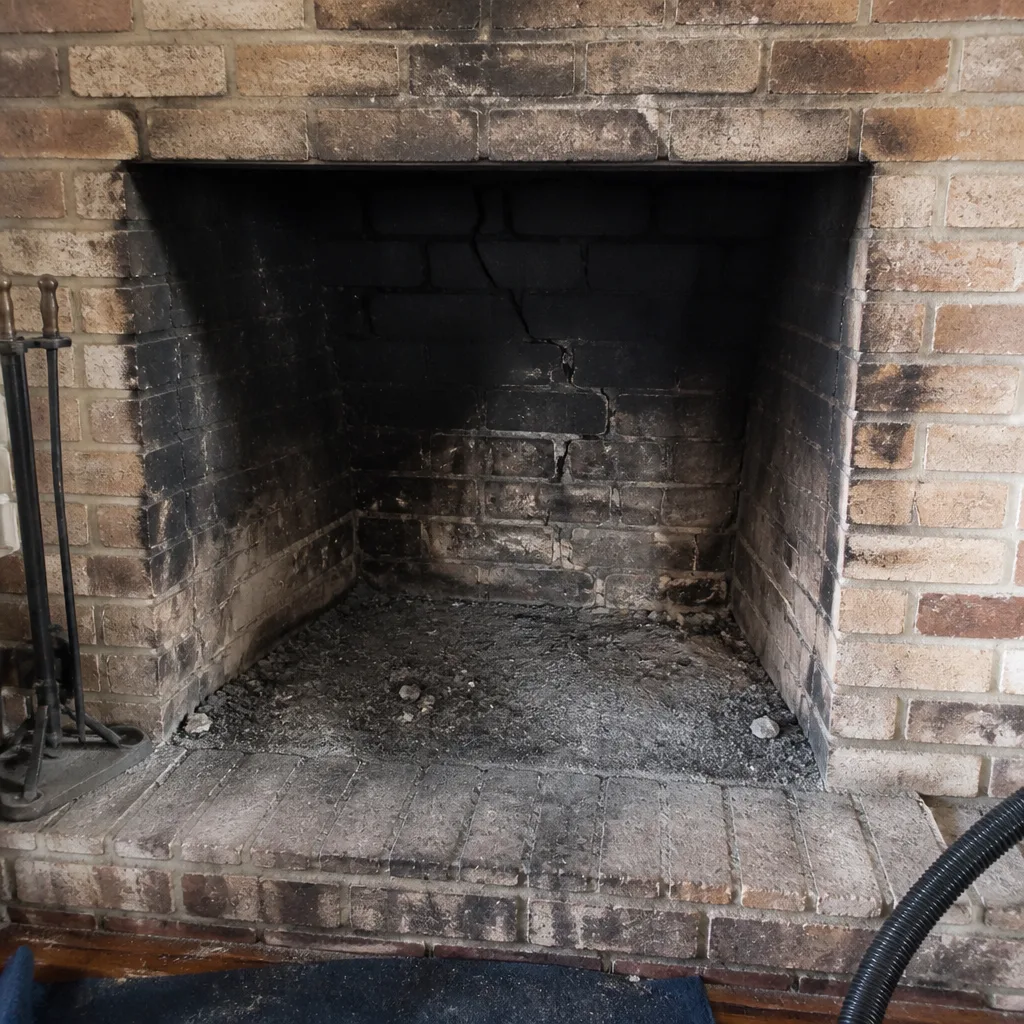 Before
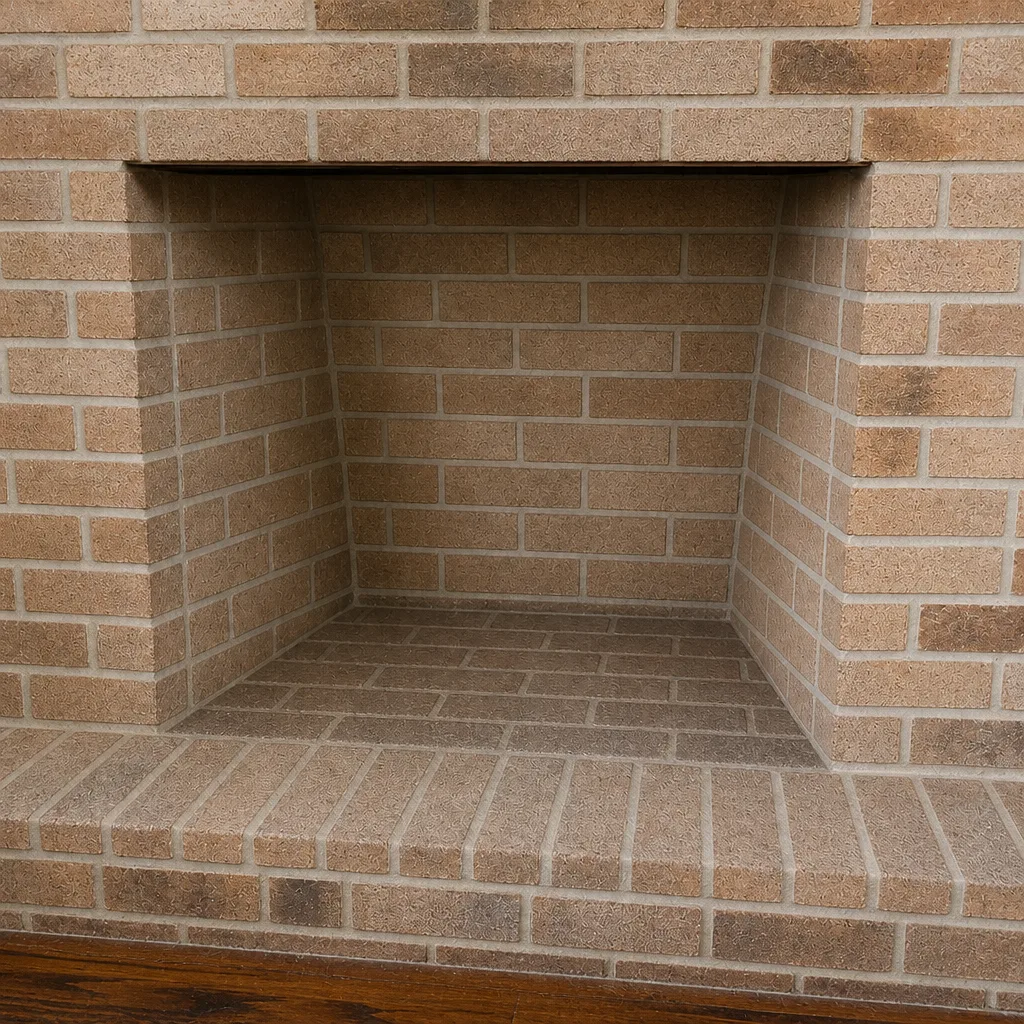 After
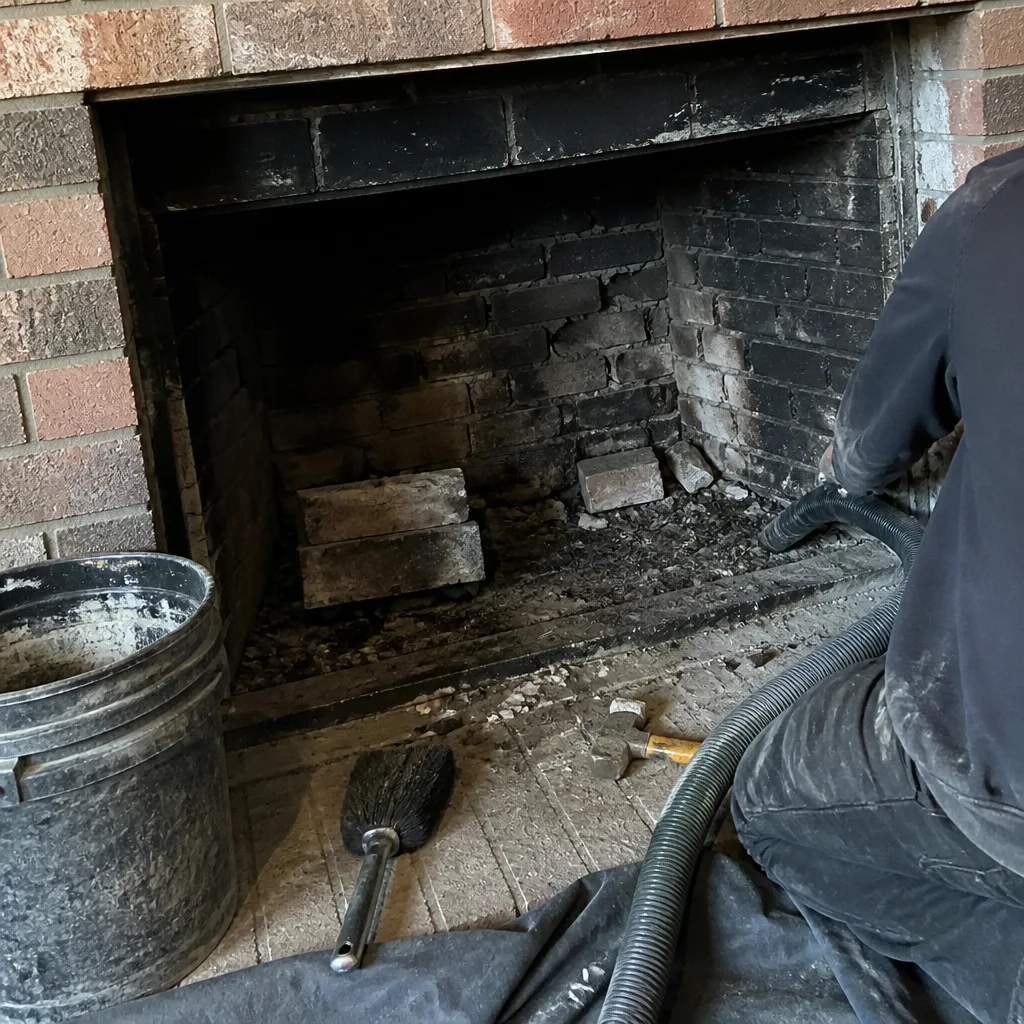 Before
 After
 Before
 After