
Last updated November 16, 2026
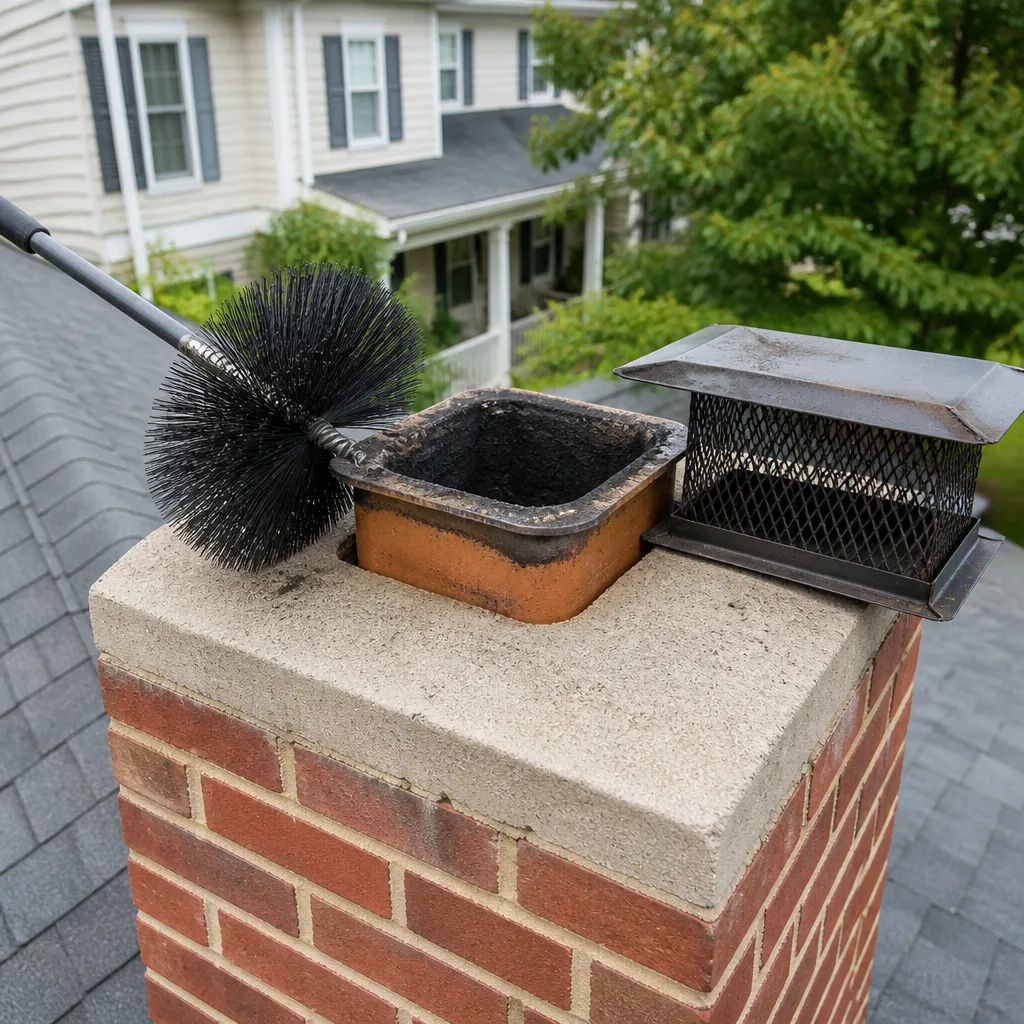 Sweep & inspection
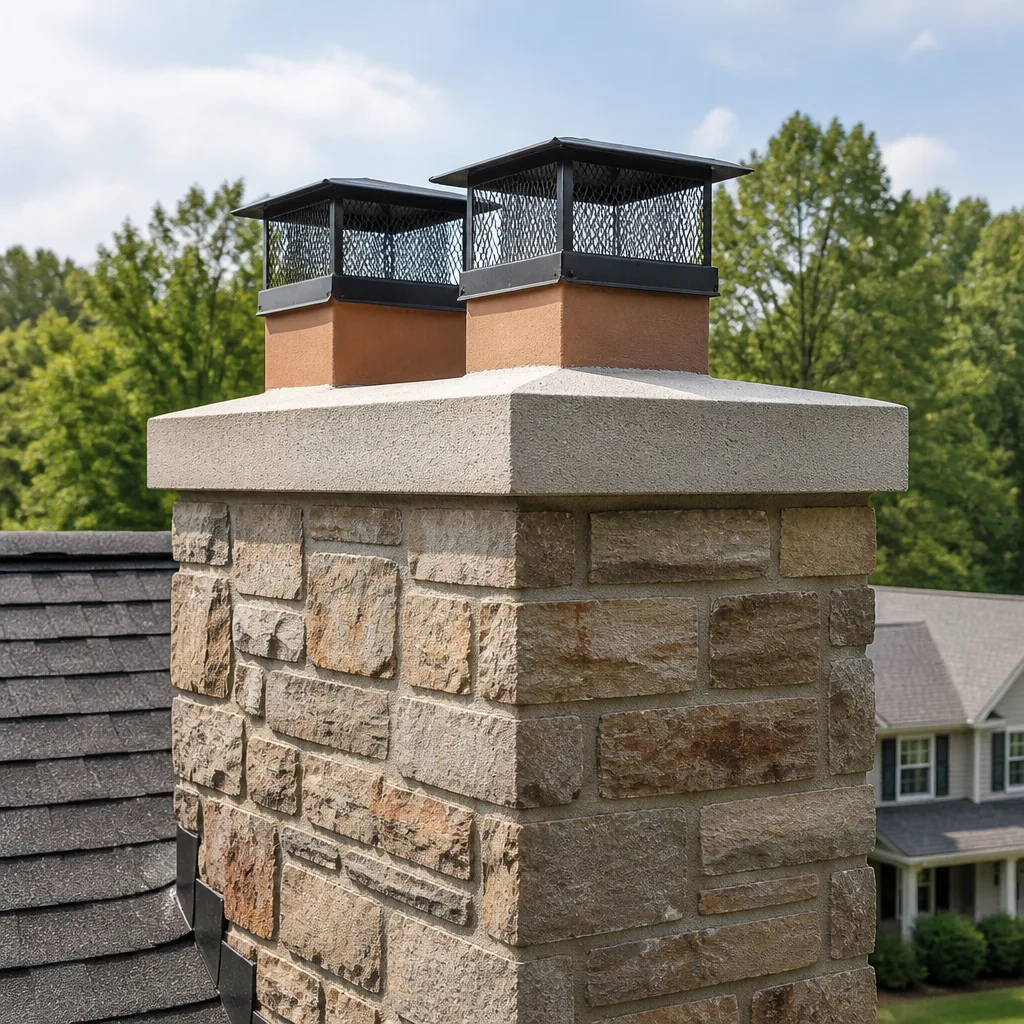 Caps & crowns
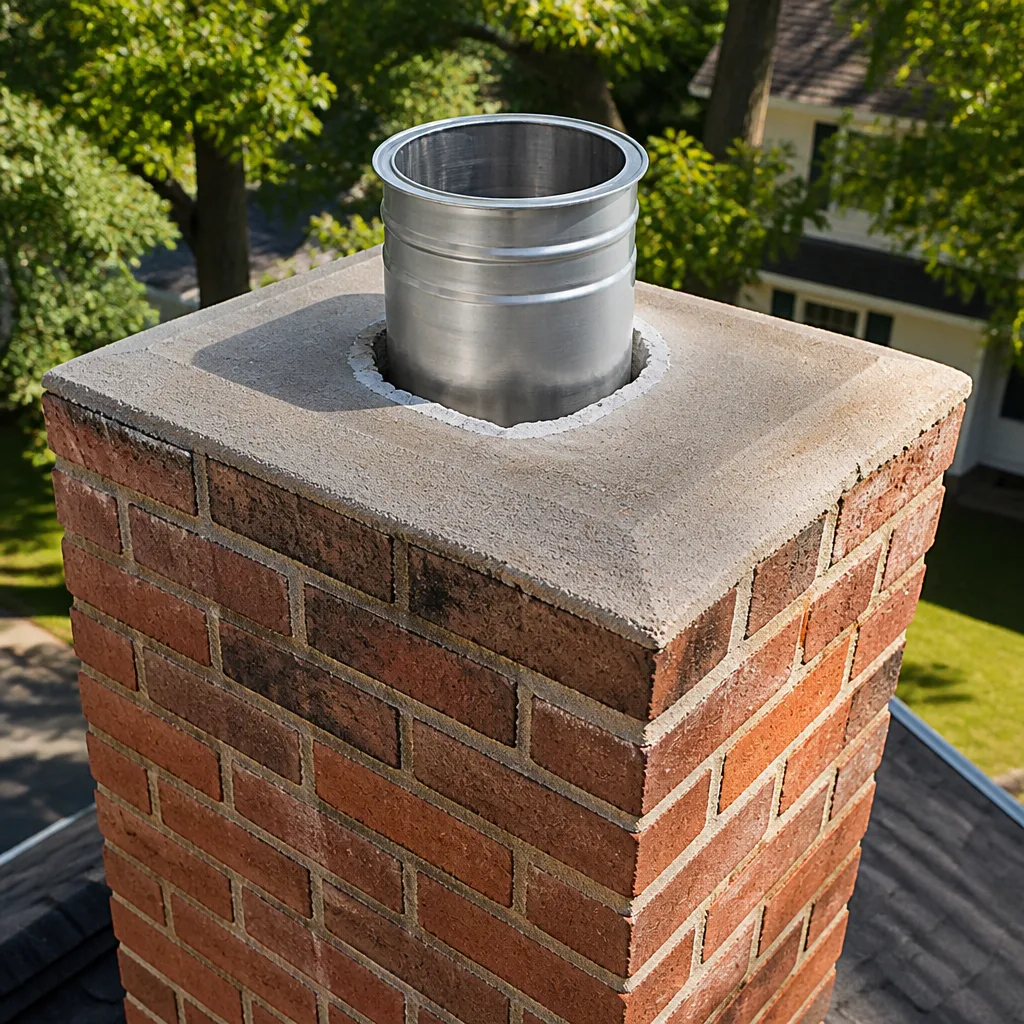 Flue relining
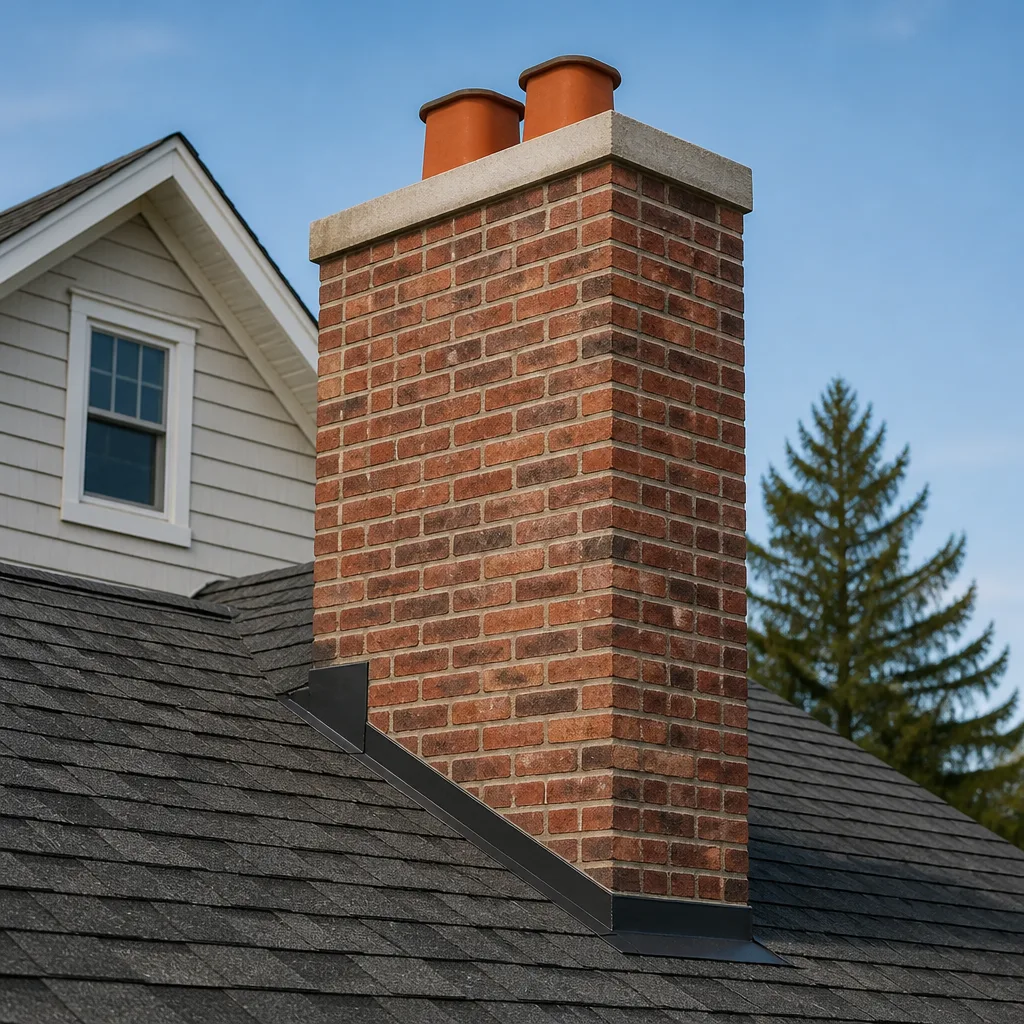 Masonry repair
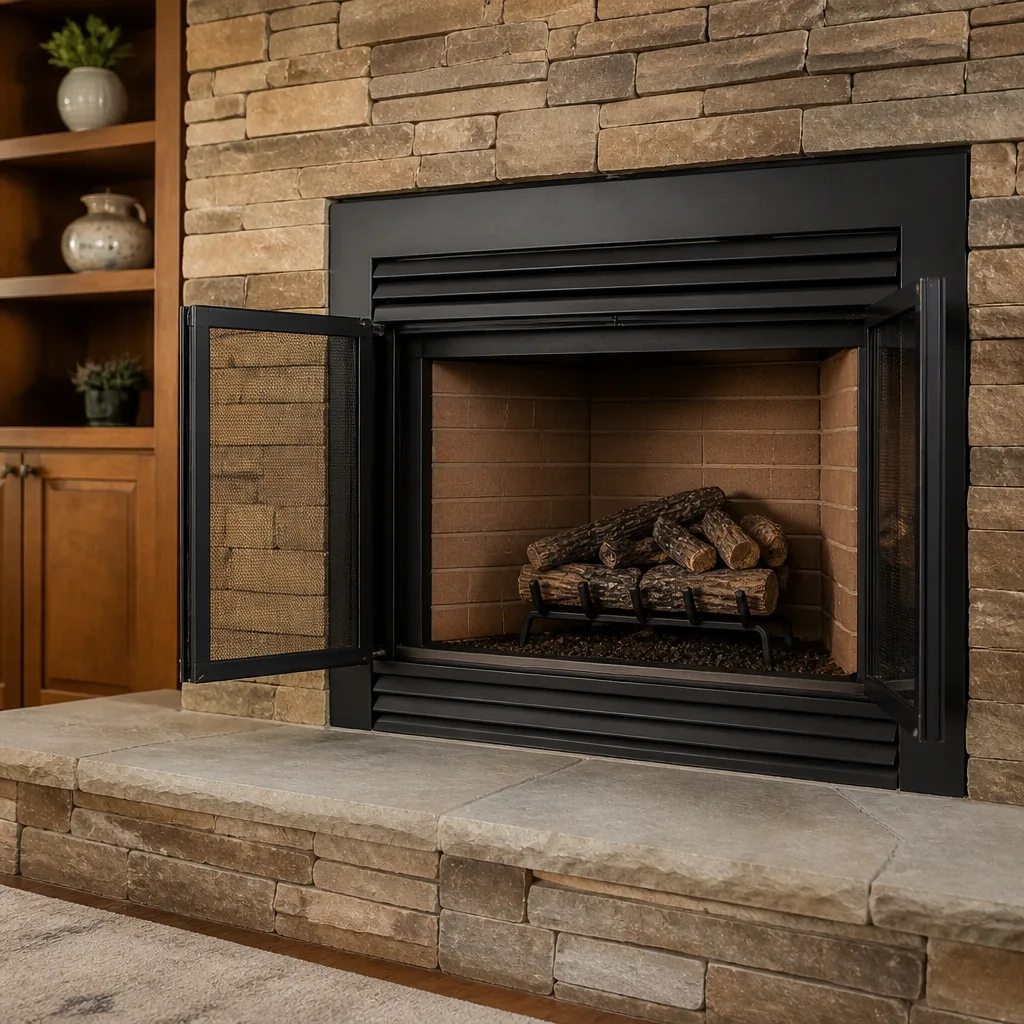 Gas fireplace service
Level 1 sweep and inspection to the NFPA 211 annual standard - flue, crown, cap, and flashing checked and photographed
Chimney sweep logs do not sweep chimneys. They loosen some creosote - which then falls where a brush and vacuum still have to collect it.
Chimney Sweep Maintenance Checklist for Amarillo Homeowners
A cracked flue tile in a humid city may take years to open into a fire hazard. On an Amarillo home, where attic temperatures can climb past 140°F in July and winter nights drop below 10°F, the same crack can widen into a dangerous gap in a single season. That’s the part most maintenance checklists miss. They’re written for a national average climate that doesn’t exist here. This guide is built around what actually fails first on Panhandle homes: wind-driven erosion, extreme seasonal swings, and the specific components – crown sealant, flashing at brick mortar joints, damper seals – that give way before anything else. You’ll get a month-by-month schedule, ground-level checks you can do yourself, and clear lines on what needs a certified sweep.
Quick Answer
A complete chimney maintenance checklist for an Amarillo home covers four things: a professional sweep and inspection once a year (before burning season), a ground-level visual check of the crown, flashing and cap every few months, a creosote and damper check before the first cold snap, and a written record of condition year over year so slow deterioration gets caught. The DIY items are visual only. Anything involving the roof, the flue interior, or a ladder is a job for a trained technician.
Styles & brands we work with
- Sweep & inspection
- Caps & crowns
- Flue relining
- Masonry repair
- Gas fireplace service
Table of Contents
- Why Amarillo Chimneys Age Differently
- The Month-by-Month Maintenance Calendar
- Ground-Level Checks You Can Do Safely
- The Three Components That Fail First on Amarillo Homes
- The Pre-Season Sweep and Inspection
- How to Document Chimney Condition Year Over Year
- Which Checklist Items Require a Certified Sweep
- When to Call a Professional
Why Amarillo Chimneys Age Differently
Amarillo sits on the High Plains, and the climate here does two things to masonry that a generic checklist never accounts for. First, wind. Sustained Panhandle wind drives grit and moisture against the exposed chimney top and the mortar joints just below the crown. Over a few seasons that erodes the soft mortar before the brick itself shows any sign of trouble. Second, temperature swing. The gap between a summer attic over 140°F and a winter night under 10°F is a hard workout for any material that expands and contracts. Sealant at the crown and around the flashing dries, cracks, and pulls away faster here than in climates with gentler extremes.
What you won’t deal with is the deep, repeated freeze-thaw cycling that wrecked chimneys in colder parts of the country. Winters here are mild. That’s good news for your brick, but it means the damage in Amarillo tends to be slower and sneakier – water getting in through a failed crown or flashing, then working its way into the masonry from the top down. By the time you see a stain on the ceiling or a rust streak on the firebox, the problem has usually been developing for a while.
The practical takeaway: on an Amarillo chimney, the top of the structure and the water-shedding details get more attention than the firebox. A fireplace that burns clean can still have a failing crown quietly soaking its masonry. Both matter, and both belong on your checklist. If you’d rather hand the whole thing to one team that sweeps, inspects, and repairs, start with a chimney sweep and let the findings drive the rest.
The Month-by-Month Maintenance Calendar
Generic guides split the year into four seasons. Amarillo’s shifts don’t line up with that. Here’s a calendar tuned to how the year actually moves on the High Plains, with the tasks that matter in each window.
- Late winter (February): Do a ground-level look at the chimney top after the coldest stretch. Check the crown for new cracks and the flashing for gaps. Note anything that looks different from the fall. This is also a good time to schedule the annual sweep if you haven’t already, so repairs can be made before spring wind season.
- Early spring (March-April): Panhandle wind picks up. Look for loose mortar at the top of the chimney and any grit or spalling brick on the roof or ground below. Wind erosion is real here, and small mortar losses should be caught before they widen.
- Late spring (May): Before the heat sets in, confirm the cap is secure and the screen is intact. A loose cap rattles in the wind and lets water and animals in. Check the damper operates freely.
- Summer (June-August): Attic and roof temperatures push past 140°F. Heat is hardest on sealants. Do a ground-level check of the crown sealant and flashing for drying or cracking. This is a visual check only – no roof work.
- Early fall (September-October): Before burning season, book the professional sweep and inspection. Creosote from last season gets removed, the flue is checked for cracks and obstructions, and any repair the inspection reveals gets handled before you light the first fire.
- Late fall (November): Verify the cap, screen, and damper again. Stock firewood and confirm it’s dry. Check that smoke alarms and carbon monoxide detectors are working.
- Early winter (December-January): Burn seasoned wood, monitor draft, and watch for smoke backing into the room or a damper that won’t seal. Those are signs the interior needs a look.
The core idea: Amarillo’s mild winters mean you’re not racing freeze damage, but summer heat and spring wind are doing steady work on the top of your chimney. The calendar front-loads the sweep in fall and keeps ground-level eyes on the crown and flashing through the hot and windy months.
Ground-Level Checks You Can Do Safely
You don’t need to climb anything to catch most early chimney problems. Every item below is a visual assessment from the ground or from a window, using binoculars if the chimney is tall. These are legitimate homeowner checks, and they’re the fastest way to spot a change worth calling about.
- The crown: The concrete or masonry cap at the very top of the chimney. Look for visible cracks, crumbling edges, or a crown that’s pulling away from the flue. A crown that no longer sheds water is the number one cause of masonry damage on Amarillo homes.
- The flashing: The metal that seals where the chimney meets the roof. Look for lifted edges, rust, or gaps where it meets the brick. Water gets in at the flashing long before it gets in anywhere else.
- Mortar joints near the top: Compare the joints just below the crown to the joints lower down. If the upper ones look recessed, sandy, or washed out, wind and moisture are eroding them.
- The cap and spark screen: A secure cap keeps rain, birds, and squirrels out. A missing or damaged screen is a common and easy-to-spot problem.
- Rust or staining: Rust streaks on the firebox, damper, or exterior masonry usually point to water intrusion from above.
- Your firebox and damper from inside: Look for cracked firebrick, a damper that doesn’t open or close smoothly, and a strong draft coming down when nothing’s burning.
What you’re looking for is change. A chimney that looks the same in October as it did last October is probably fine. One with a new crack at the crown or fresh mortar loss near the top is telling you something. Write down what you see and when you saw it – that record is worth more than a memory when you talk to a technician.
The Three Components That Fail First on Amarillo Homes
In our experience, three parts of an Amarillo chimney show wear before anything else. Knowing them tells you where to look and why it matters.
1. Crown sealant
The crown is a slab at the top of the chimney that sheds water away from the flue and masonry. The sealant at its edges dries and cracks faster in a climate that swings from 140°F attics to sub-10°F nights. Once that seal breaks, water sits against the brick and mortar and starts working down. A small crown repair now is a far smaller job than rebuilding masonry later. HeatShield and similar professional-grade repair products are built to handle this kind of resurfacing work; not every chimney company is set up to apply them, which is why some just recommend a full reline.
2. Flashing at brick mortar joints
Where the chimney passes through the roof, the metal flashing and the mortar joints around it take wind and water head-on. Panhandle wind pushes rain sideways against that joint, and the mortar erodes first. A lifted flashing edge or a washed-out joint below it lets water into the roof deck and the chimney chase. This is a repair item, not a cleaning item, and it needs a technician on the roof to do it right.
3. Damper seals
The damper is the door that closes off the flue when you’re not burning. Heat and seasonal movement wear the seal, and a damper that no longer closes tight lets conditioned air escape up the chimney and lets cold air and draft come down. You can check this from inside: open and close the damper and listen for a clean, tight seal. A loose or stuck damper is a repair, often handled with the same inspection.
Beyond these three, the interior flue lining and the creosote buildup inside it are the other big factors – and those are the ones you can’t see without a camera. That’s why the annual professional sweep and inspection matters. It’s the only way to know what’s happening behind the flue tiles.
The Pre-Season Sweep and Inspection
Before you light the first fire of the season, your chimney needs two things: a sweep to remove creosote and soot, and an inspection to find cracks, obstructions, and deterioration you can’t see from the ground. Do them together, in fall, so that whatever the inspection reveals can be fixed before winter.
Here’s how a proper pre-season visit should go:
- The sweep removes creosote from the flue and firebox. Creosote is the flammable residue of wood smoke, and a thick buildup is what chimney fires feed on. A chimney with heavy use needs this every season.
- The inspection checks the flue lining, damper, firebox, crown, flashing, and cap. Good inspectors use a camera to see the full length of the flue, and they show you what they find.
- The findings get explained in plain terms – what’s fine, what needs attention, and what can wait. Nothing should be recommended without evidence you can see for yourself.
- The repairs follow. When the same team that found the problem also fixes it, there’s no gap between the report and the repair, and no second contractor to bring up to speed.
One thing worth saying plainly: repairs are done by qualified technicians, not by the homeowner. Flue liners, crown repairs, and flashing work involve heights, tools, and materials that aren’t a weekend project. The value of a checklist is knowing what to look for and when to call – not doing the dangerous part yourself.
We stock and install the brands chimney professionals trust for the repair side – HeatShield for liner resurfacing, DuraFlex and Olympia Chimney for custom-fit liner systems, and Famco and Copperfield for caps and venting. A cap that’s been replaced with a proper vented one does more for keeping water and animals out than any patch job. That’s the top-of-chimney protection most generalized handymen overlook.
How to Document Chimney Condition Year Over Year
Single inspections catch big problems. A record catches small ones. The slow deterioration that matters most on an Amarillo chimney – a crown crack that widens a millimeter a year, mortar that washes out a little more each spring – is nearly invisible in any one look and obvious across three or four. Build a simple file and it works for you.
What to record each year:
- Date of the annual sweep and inspection. Note who did it and what the report said.
- Photos of the crown, cap, and flashing from the same ground-level angle each time. Same vantage point, so change is visible.
- A one-line condition note for each of the three failure points (crown, flashing, damper) – “fine,” “hairline crack,” “sealant dried,” and so on.
- Any repair done, with the product used. If a liner was resurfaced with HeatShield or a cap replaced with a Famco unit, the record tells the next technician what they’re working with.
- Your burning habits: roughly how much wood you burn, and whether it’s seasoned.
Keep it in a folder or on your phone. When you hand this to a technician, the inspection gets sharper because there’s history. When you get a repair quote, you can compare it to what the chimney looked like last year. And if you ever sell the home, a documented maintenance record is a selling point. This is the single most overlooked item on any chimney checklist, and it costs nothing.
Which Checklist Items Require a Certified Sweep
The line between a safe homeowner check and a job for a professional is mostly about height and the interior of the flue. Here’s the split.
Legitimate DIY visual checks:
- Looking at the crown, cap, and flashing from the ground with binoculars
- Checking the damper opens and closes smoothly from inside
- Looking at firebox firebrick for cracks
- Watching for smoke backing into the room or a weak draft
- Confirming smoke and carbon monoxide alarms work
- Keeping a written and photo record year over year
Requires a certified sweep or technician:
- Climbing onto the roof or a ladder to inspect or repair
- Sweeping the flue and removing creosote
- Camera inspection of the flue lining
- Crown repair or resurfacing
- Flashing repair at the roof line
- Liner repair or replacement, including resurfacing with HeatShield or fitting a DuraFlex or Olympia Chimney liner
- Damper repair or replacement
- Cap and venting installation
If a task involves being on the roof, a ladder, or reaching into the flue, it’s not a homeowner job. Heights and creosote are both real hazards, and a failed repair up top can cause water damage that costs far more than the original job. The ground-level checks are yours. Everything else belongs to a trained technician. That’s not a sales pitch – it’s the honest line, and any professional will tell you the same.
Common Mistakes to Avoid
- Skipping the sweep because the fireplace “looks fine.” Creosote builds up inside the flue where you can’t see it. A clean-looking firebox tells you nothing about fire risk in the flue.
- Ignoring the crown and flashing until there’s a water stain. In Amarillo’s wind and heat, these fail before anything else. Checking them from the ground a few times a year is the cheapest maintenance you’ll ever do.
- Splitting the inspection and the repair between two companies. When the company that finds a problem also fixes it, there’s accountability. When they’re separate, problems fall into the gap between them.
- Assuming a national four-season checklist applies here. Amarillo’s mild winters and extreme summer heat mean the timing and the failure points are different. A checklist built for a colder climate points you at the wrong things.
- Doing ladder or roof work yourself. Gutter-level confidence is not roof-level safety. Leave the heights and the flue interior to a trained technician.
- Never keeping a record. Without photos and notes, every inspection starts from zero and slow deterioration goes unnoticed until it’s a large repair.
- Burning green or unseasoned wood. Wet wood creates more creosote and more frequent sweeping. Seasoned firewood burns cleaner and produces less buildup.
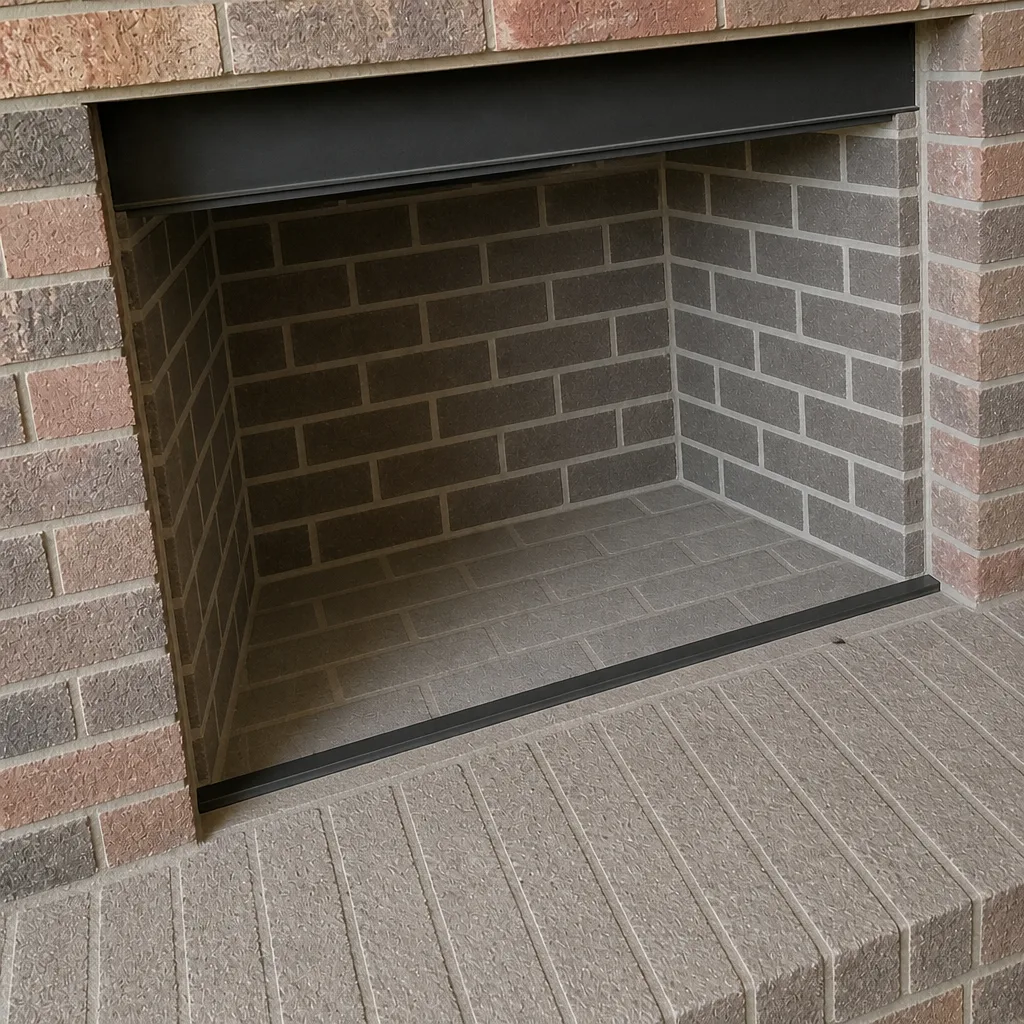
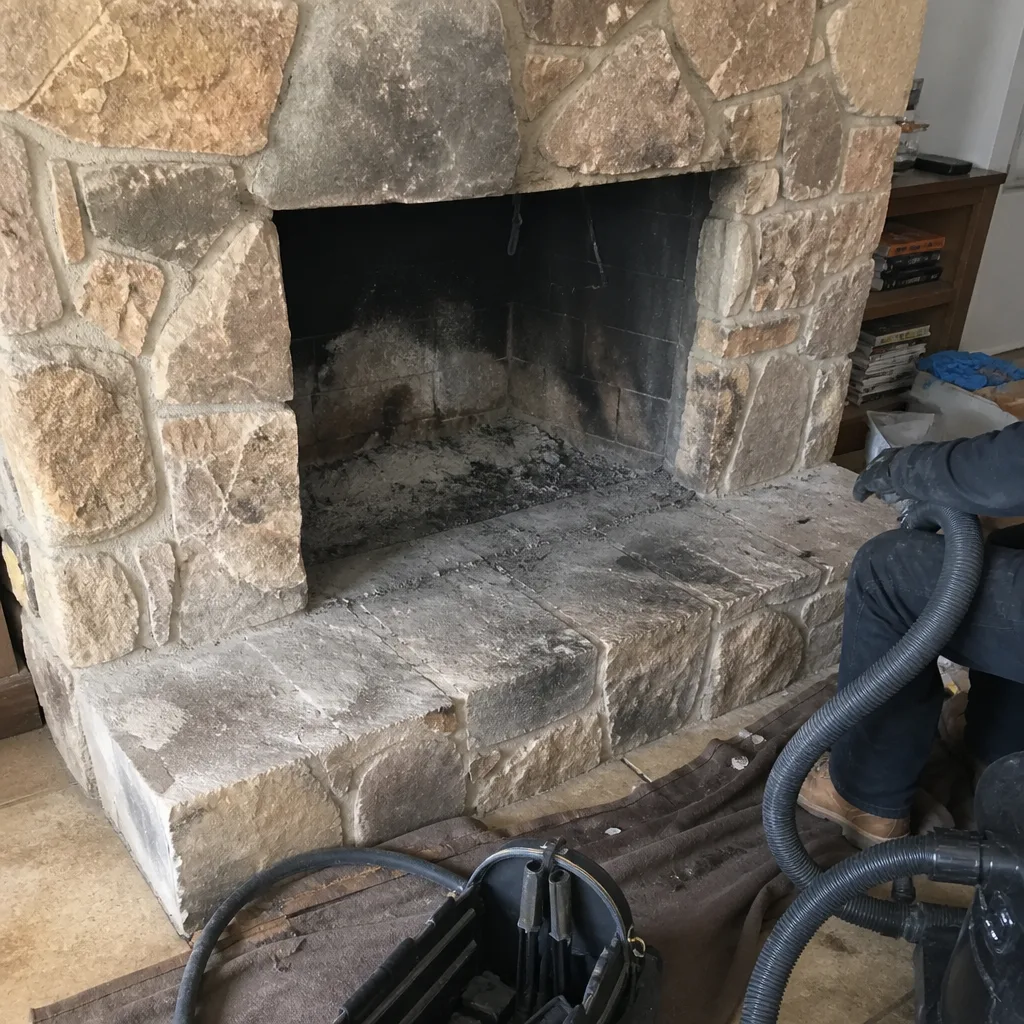
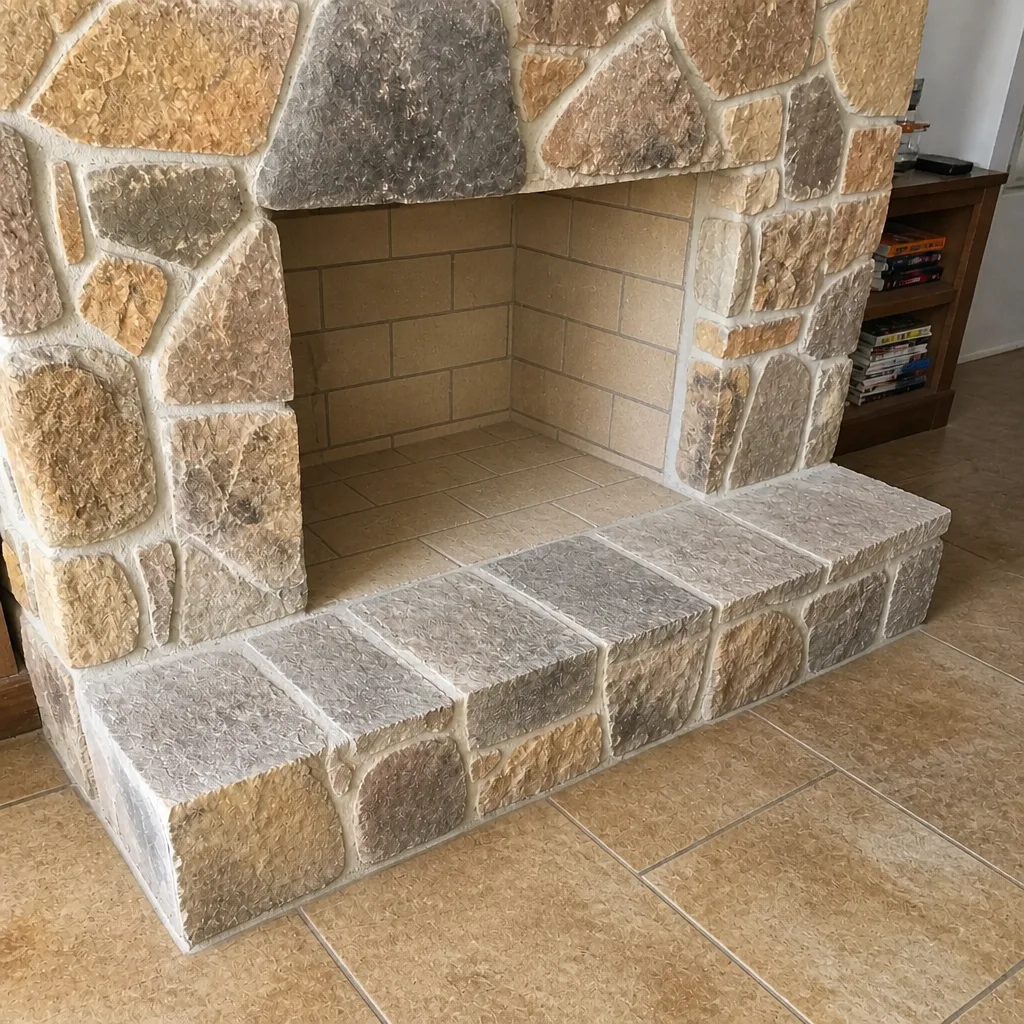
See the difference
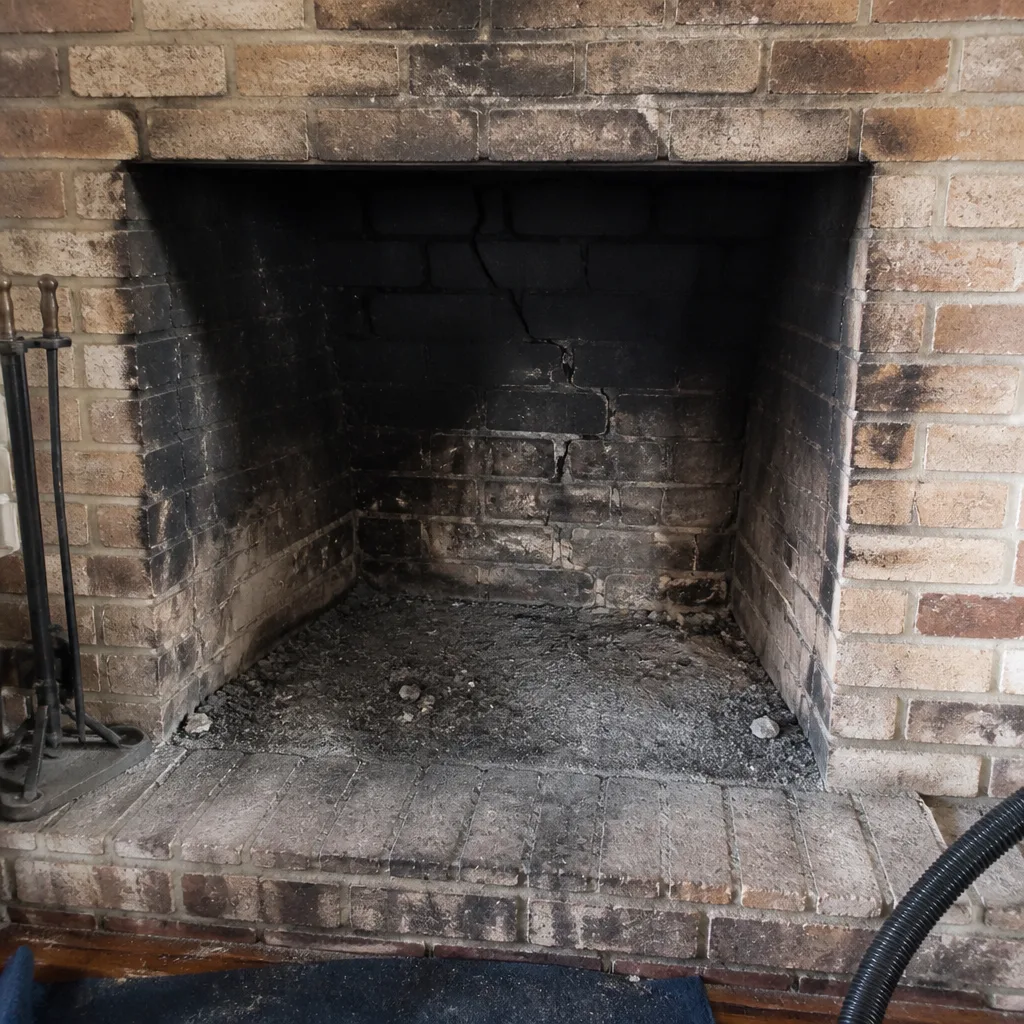 Before
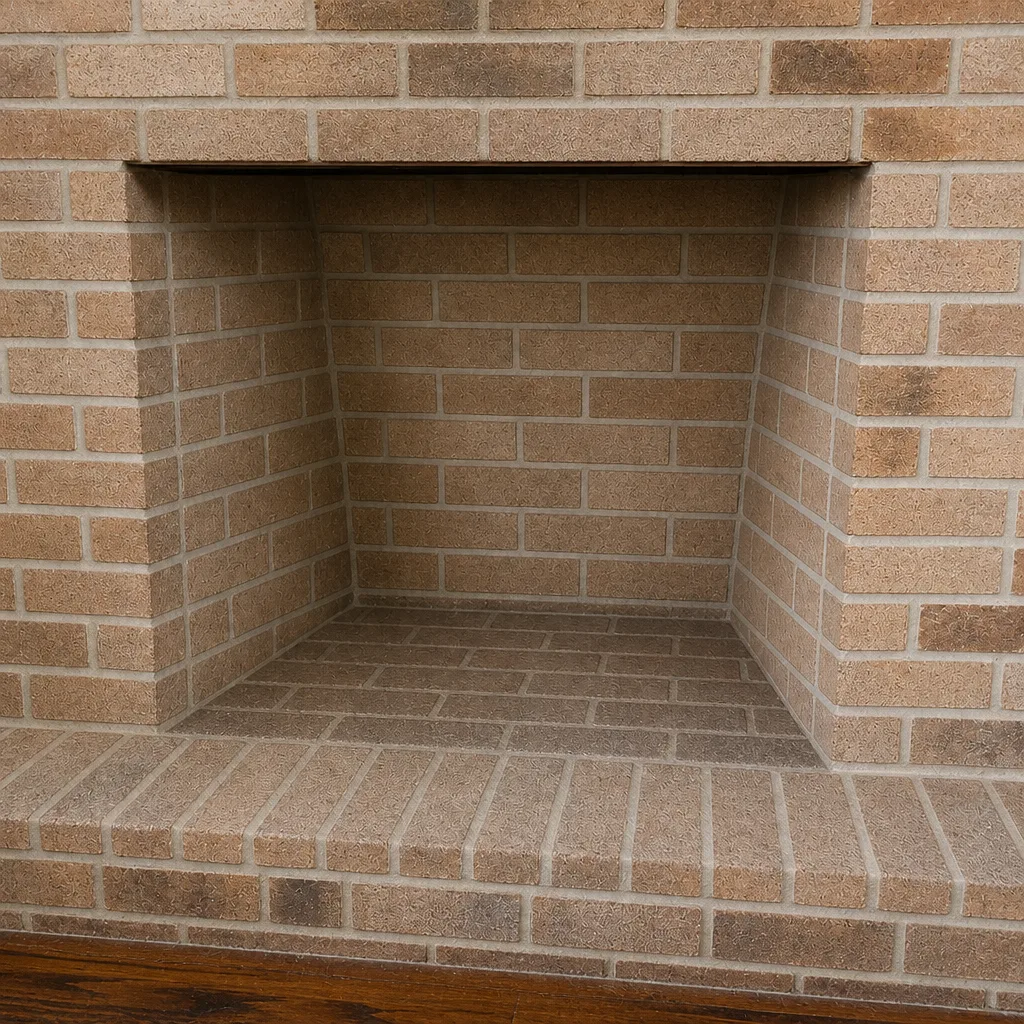 After
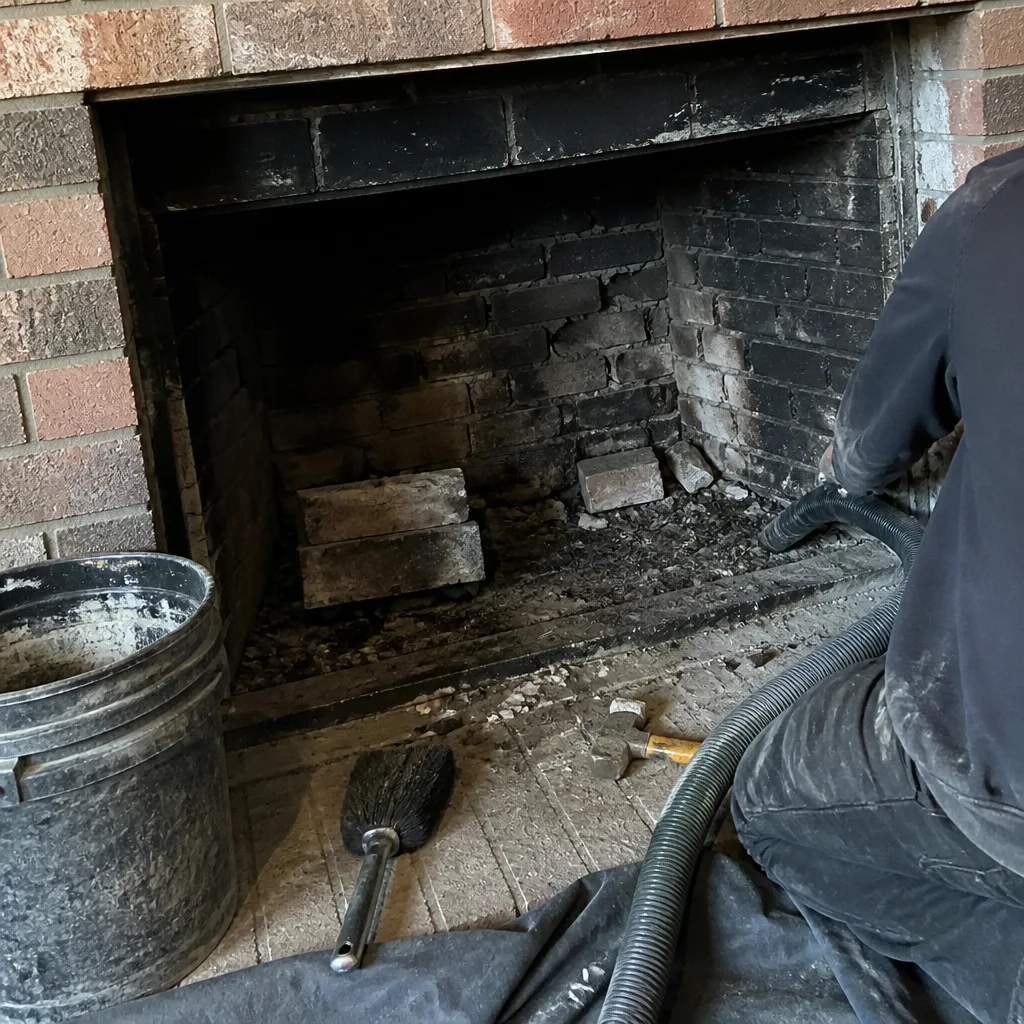 Before
 After
 Before
 After
When to Call a Professional
Call a professional when the check turns up anything you can’t safely handle, when it’s been a year or more since the last sweep, or when your burning patterns change. Specifically: smoke backing into the room, a strong draft coming down the chimney, a damper that won’t seal, rust or staining on the firebox or exterior, a new crack at the crown or mortar near the top, a damaged cap or screen, or a burning season that saw heavy use. Also call if a previous inspection flagged a problem and you want a second opinion with a real fix behind it. Chimney repair without a proper inspection behind it is guesswork, so start with the sweep and inspection and let the evidence drive the work. Chimney Sweep Amarillo offers free estimates in Amarillo – call (888) 527-6071. We answer 24/7, with fast dispatch from 7am to 7pm, Sunday through Friday.
Frequently Asked Questions
Once a year for most homes that burn wood regularly, ideally in the fall before burning season. Homes that burn heavily or burn unseasoned wood may need it sooner. If it’s been more than a year, book a sweep before you light the next fire. Call (888) 527-6071 for an exact quote – estimates are free.
A DIY check is a visual look from the ground and from inside – crown, cap, flashing, damper, firebox. A certified inspection adds a camera look down the full flue and a technician on the roof checking the lining, joints, and flashing up close. The ground-level check catches change; the inspection finds what you can’t see. Call (888) 527-6071 to book one.
Not every damaged flue needs a full reline. In many cases a resurfacing product like HeatShield can restore the flue lining at a fraction of the cost of a replacement. The honest answer depends on what the camera inspection finds – which is why nothing should be recommended without evidence you can see. Call (888) 527-6071 for an inspection first.
Because those are the parts most exposed to wind and the temperature swing between hot summers and cold winter nights. Mortar and sealant at the top of the chimney dry, crack, and erode faster here than inside the firebox. That’s why the crown and flashing top every Amarillo checklist. Call (888) 527-6071 to have them checked.
Creosote builds up in the flue, raising fire risk, and small crown or flashing failures let water into the masonry from the top down. Both problems are quiet at first and expensive later. A yearly sweep and inspection is the cheapest way to stay ahead of them. Call (888) 527-6071 for a free estimate.
A standard sweep and inspection usually takes about an hour, longer if repairs are needed. We give a free estimate and the price is set per job by a written estimate before any work is booked, so there are no surprises. Call (888) 527-6071. We answer 24/7, with fast dispatch from 7am to 7pm, Sunday through Friday.
The Bottom Line
A chimney maintenance checklist works when it’s built for the climate you actually live in. For an Amarillo home that means watching the crown, flashing, and damper – the components that wear fastest under High Plains wind and extreme seasonal temperature swing – while keeping the flue clean and inspected once a year. Do the ground-level visual checks yourself, keep a simple year-over-year record, and leave the roof, the flue interior, and every repair to a trained technician. The sweep, the inspection, and the fix belong in one call, from one team that shows you the evidence and repairs what it finds. If you’re past due, start with a sweep and inspection through Chimney Sweep Amarillo and let the findings set the plan.
Ready to get your chimney on a maintenance schedule? Call (888) 527-6071 for a free estimate. We answer 24/7, with fast dispatch from 7am to 7pm, Sunday through Friday, serving homeowners throughout Amarillo.
Written by the team at Chimney Sweep Amarillo.