
Last updated November 16, 2026
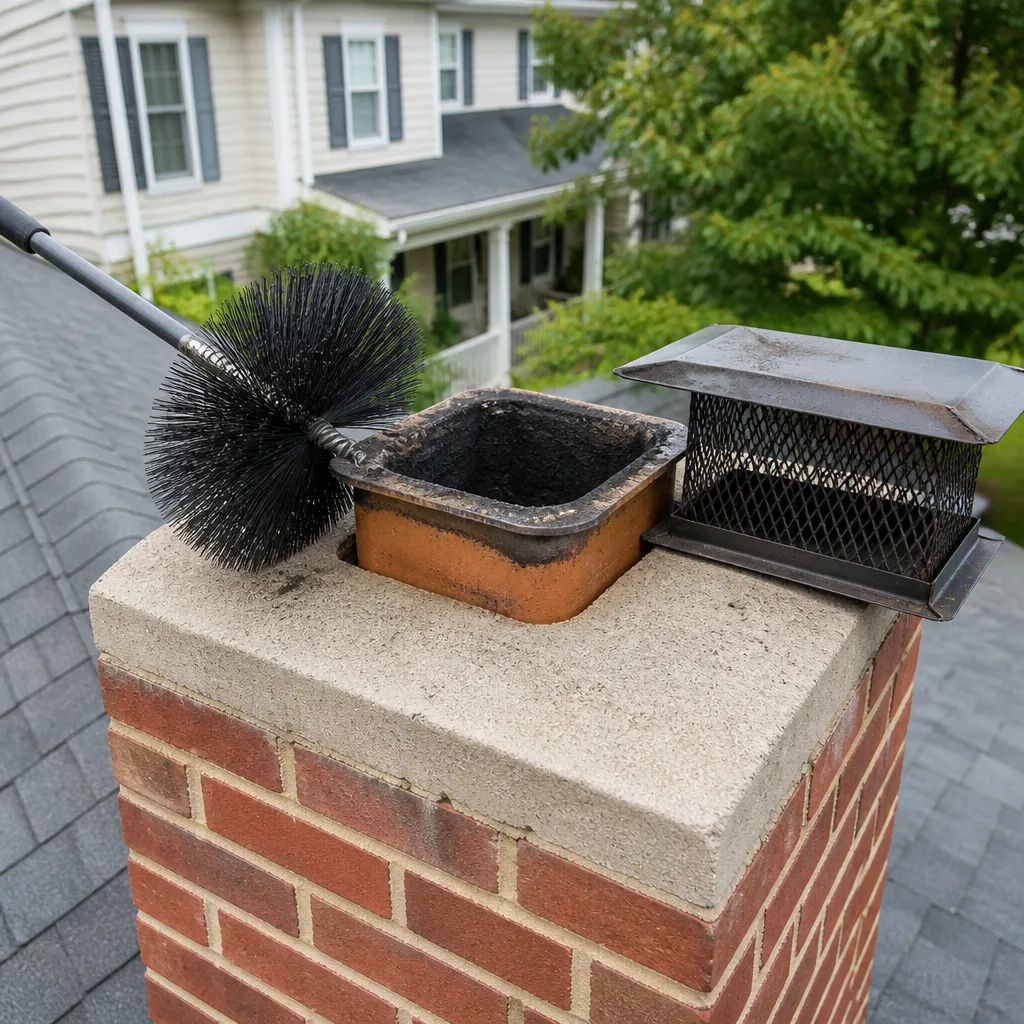 Sweep & inspection
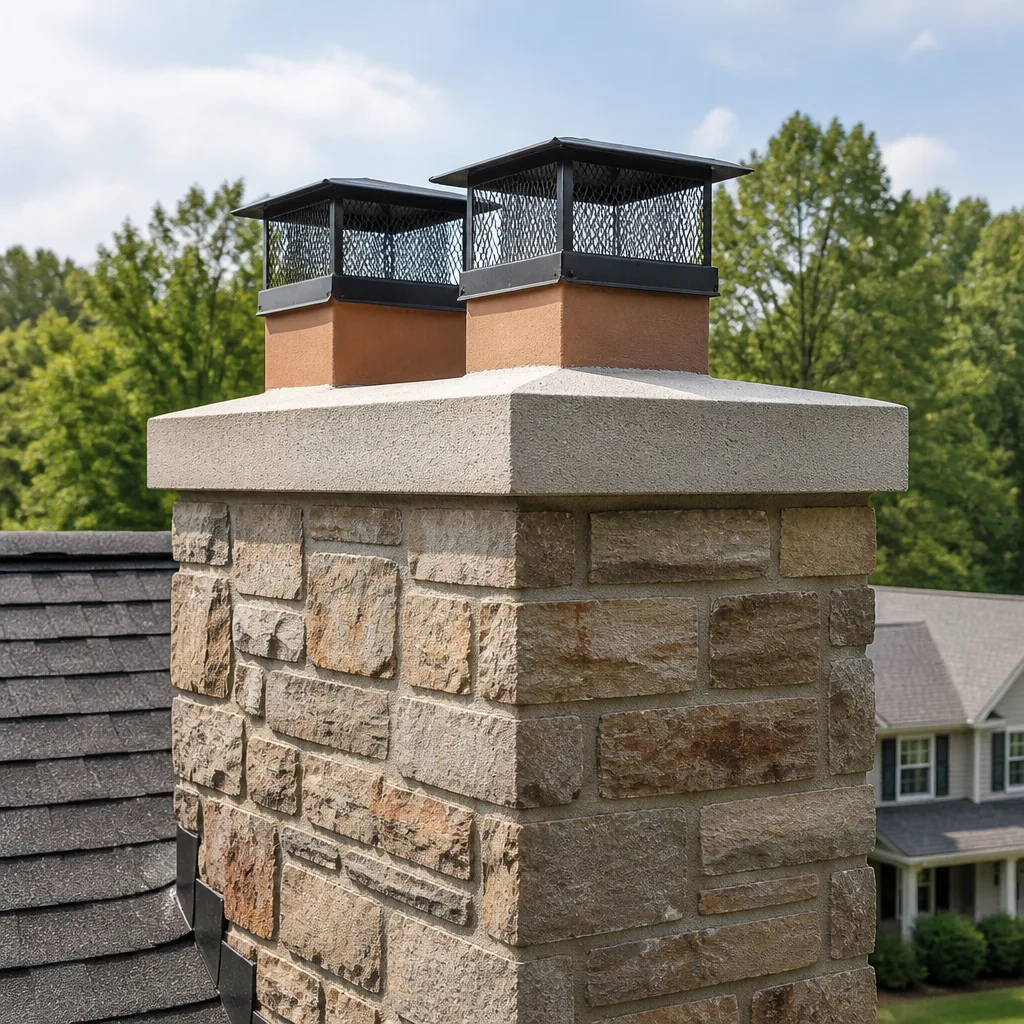 Caps & crowns
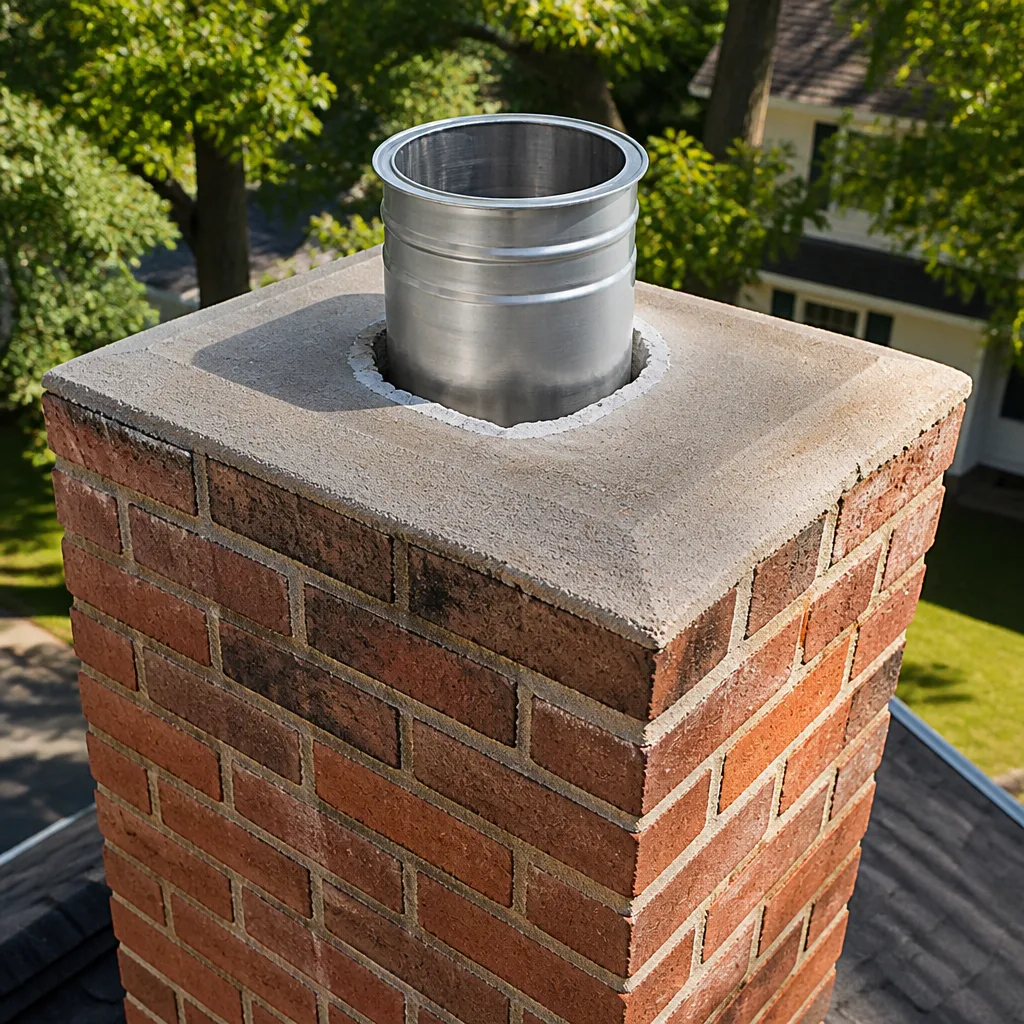 Flue relining
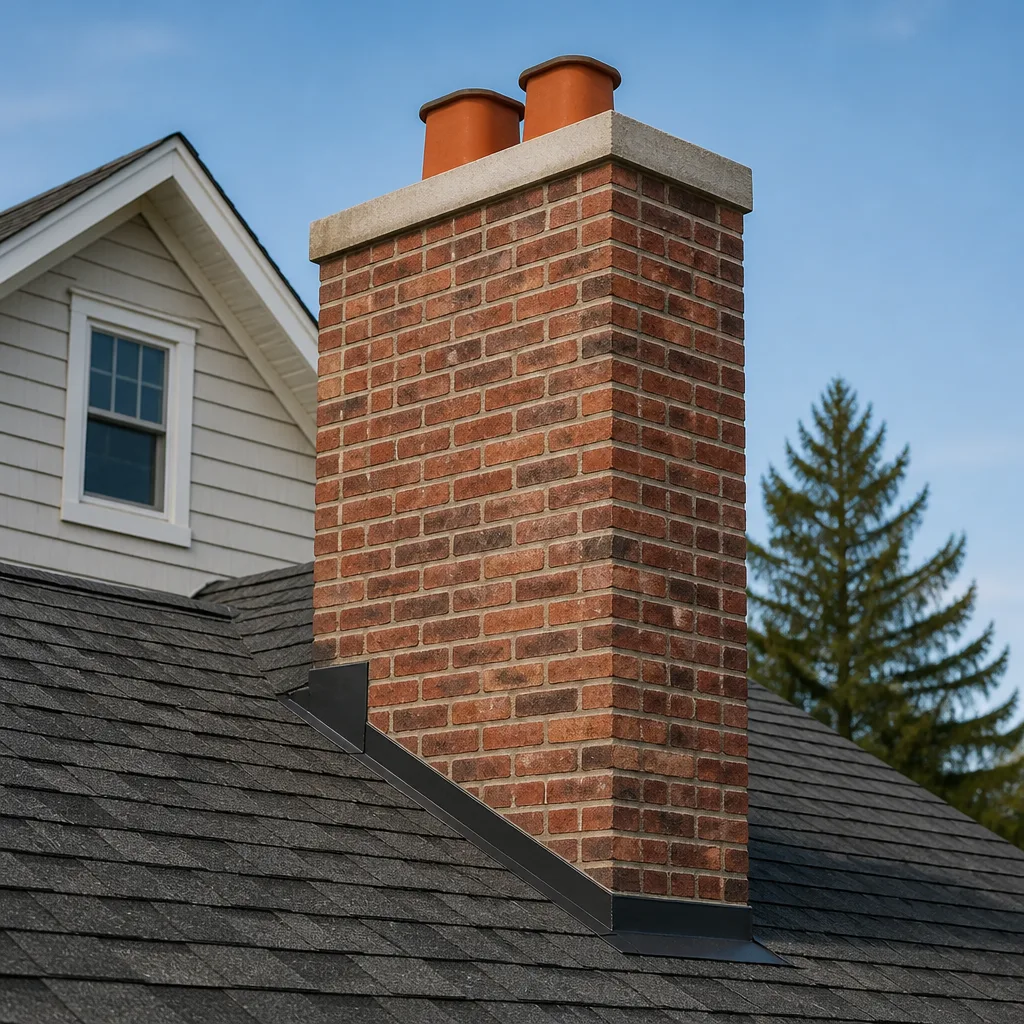 Masonry repair
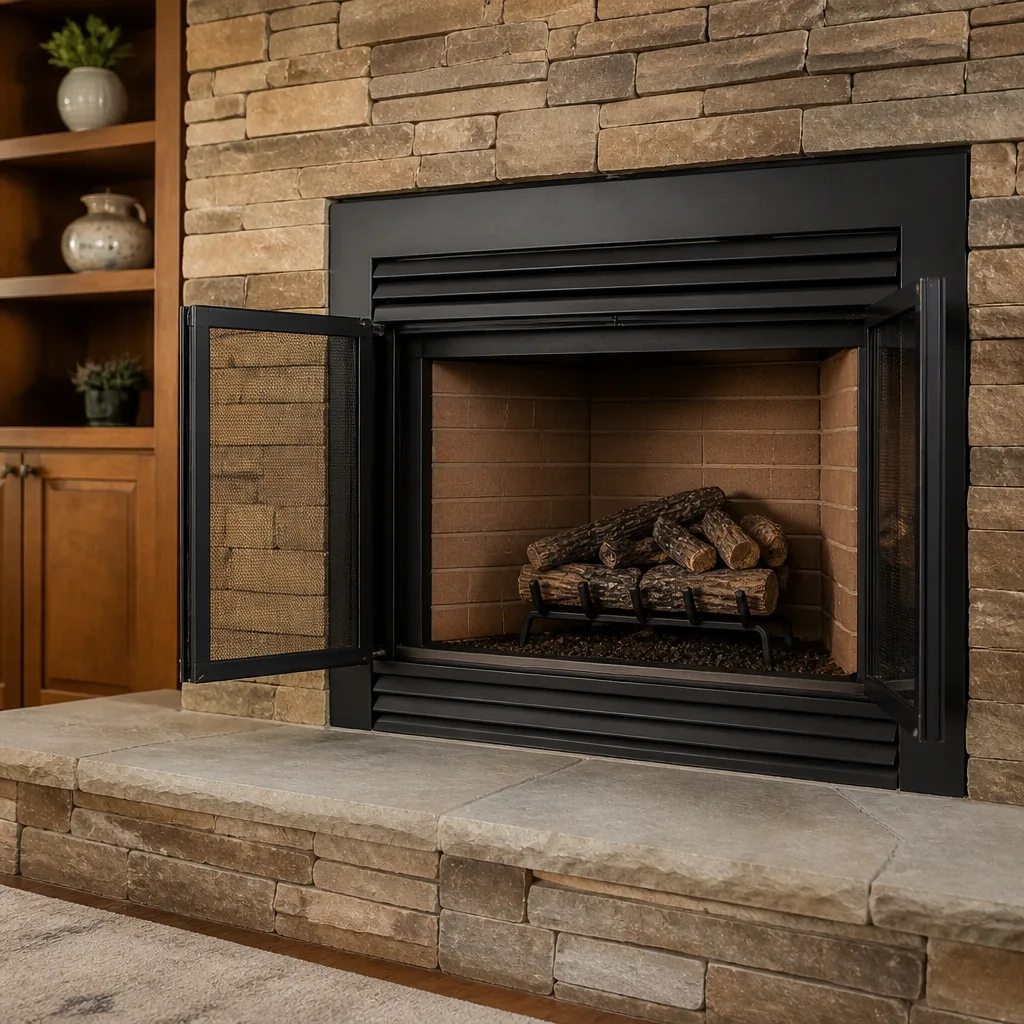 Gas fireplace service
Level 1 sweep and inspection to the NFPA 211 annual standard - flue, crown, cap, and flashing checked and photographed
Chimney sweep logs do not sweep chimneys. They loosen some creosote - which then falls where a brush and vacuum still have to collect it.
Chimney Sweep Maintenance Schedule: What to Do and When
Booking your chimney sweep in December, right before the heaviest burn nights, is one of the most common scheduling mistakes we see in Amarillo. By then, any liner damage from last season has been sitting unrepaired for months, and the cold stretch when you need the fireplace most is already here. A maintenance schedule is really a timing question: what gets checked, and when, so problems surface while there’s still room to fix them. This guide lays out a month-by-month calendar built around Amarillo’s actual burn season, the self-checks you can do between professional visits, and the repairs worth handling off-season instead of in the November rush.
Quick Answer
The short version: get a professional sweep and inspection once a year, ideally in early spring right after your last fire, and a lighter pre-season check in early fall before you light the first burn of the year. In Amarillo, that means scheduling your post-season inspection in April and your pre-season readiness check in September or early October, ahead of the October-through-March burn season. Households that burn mesquite several nights a week may need a mid-season sweep as well. Between professional visits, you handle three simple self-checks: cap, damper, and firebox cracking.
Styles & brands we work with
- Sweep & inspection
- Caps & crowns
- Flue relining
- Masonry repair
- Gas fireplace service
Table of Contents
- Why Timing Matters More Than Frequency
- The Amarillo Burn Season Calendar
- Month-by-Month Maintenance Schedule
- Why the Post-Season Inspection Beats the Pre-Season Rush
- Self-Checks Between Professional Visits
- How Wood Type and Burn Frequency Change Your Schedule
- Maintenance Tied to Amarillo Conditions
- Common Mistakes to Avoid
- When to Call a Professional
- Frequently Asked Questions
Amarillo sits on the High Plains, where the burn season runs roughly October through March and the shoulder months bring wind, hail, and wide temperature swings. That rhythm shapes the schedule below. If you’re new to the area or just getting organized, our Amarillo page covers the basics of how a chimney behaves here. The calendar that follows assumes a wood-burning fireplace used regularly through the cold months, with notes on how gas appliances and occasional users fit in.
Why Timing Matters More Than Frequency
Most chimney advice stops at “sweep once a year.” That’s a reasonable baseline, but it skips the more useful question: once a year, when? The answer depends on what the visit is for. A sweep removes creosote and soot so the flue can draft properly and so a chimney fire has less fuel to feed on. An inspection finds the problems a sweep can’t fix on its own: cracked flue tiles, failed mortar joints, a deteriorated crown, a damaged cap, or a liner that’s no longer sound.
Those two jobs make the most sense at different points in the year. The sweep belongs right after your last fire of the season, when the creosote load is at its peak and you can see the wear a full winter put on the system. The inspection pairs with it, so a problem gets identified while the weather is mild and repair scheduling isn’t squeezed by every other homeowner calling at once. Then a lighter check in early fall confirms nothing changed over the summer and the system is ready to light.
Here’s the practical difference in Amarillo. A homeowner who books in April gets a clear picture of the flue, the crown, the cap, and the firebox, and has all spring and summer to handle any repair without missing a single burn night. A homeowner who books in late November gets the same inspection, but if the liner needs work, they’re deciding between waiting and burning in a compromised system. In our experience, timing is what separates a schedule that protects the chimney from one that just produces a receipt.
The Amarillo Burn Season Calendar
Think of the year in four phases: after the burn season, through the summer, into the shoulder season, and during heavy use. Each phase has a specific job, and the jobs don’t overlap much. Here’s the frame:
- April (post-season): Full sweep of soot and creosote, complete inspection of the flue, crown, cap, firebox, and damper. This is when repairs get scoped and scheduled.
- May through August (off-season): Repair window. Liner work, crown repair, mortar repointing, and cap replacement all happen here, when scheduling is easiest and the work won’t interrupt use.
- September through early October (pre-season): Readiness check. Confirm the damper moves freely, the cap is intact, the firebox shows no new cracking, and last season’s repairs held. Stock dry firewood.
- October through March (burn season): Use the fireplace, monitor for changes, and handle the three self-checks. Heavy users may need a mid-season sweep.
That’s the skeleton. The reason it’s built around Amarillo’s October-to-March season is simple: your heaviest creosote accumulation happens during those months, so the sweep that clears it should land right at the end. Everything else in the year is preparation, verification, or repair. If you’re in a home that burns wood from the first cold snap in October, the calendar is already running against you by the time Thanksgiving shows up.
Month-by-Month Maintenance Schedule
Here’s the schedule laid out month by month. This assumes a wood-burning fireplace used regularly through the season. Occasional users can stretch the heavy-use items, and gas appliance owners should follow the manufacturer’s service intervals in addition to the annual inspection.
- April: Book your post-season sweep and inspection. This is the anchor appointment for the whole year. Get the flue cleaned, get a full inspection with a report, and find out what, if anything, needs repair.
- May: Review the inspection findings. If the report flagged liner wear, crown damage, or failed mortar, schedule the repair now. Ask for a written estimate and confirm whether resurfacing or replacement is the right call before you book.
- June: Handle any repairs scheduled for early summer. Depending on scope, liner work may be able to use resurfacing rather than full replacement, which changes both the cost and the timeline. Get that question answered before the job starts.
- July: Inspect the exterior from the ground: check the crown for cracks, the cap for damage, and the flashing where the chimney meets the roof. Hail and wind do most of their damage in spring and early summer, so mid-summer is a good point to check the top of the system from a safe distance.
- August: Order and stack firewood if you haven’t already. Wood needs time to season properly, and dry wood produces less creosote than green wood. If you cut or buy mesquite, get it stacked and covered now.
- September: Pre-season readiness check. Confirm repairs are complete, the damper moves freely, the firebox shows no new cracking, and the cap is secure. This is also the time to schedule your fall inspection if you skipped the spring one.
- October: First fire of the season. Before you light it, run the three self-checks. Watch for smoke rolling back into the room, which can point to a draft problem or an obstruction.
- November through February: Burn season. Monitor for changes: soot at the firebox, a damper that sticks, smoke that doesn’t rise cleanly. Heavy users should think about a mid-season sweep around January. If you’re burning most nights, the creosote adds up faster than once-a-year thinking accounts for.
- March: Last fire of the season. Book your April sweep and inspection before you forget. Late March is when the line for April appointments starts forming.
The one habit that makes this whole calendar work is booking the spring appointment at the end of the previous burn season. If you wait until the first cold week of October to think about your chimney, the schedule is already behind.
Why the Post-Season Inspection Beats the Pre-Season Rush
An April inspection captures the chimney in its most informative state: right after a full winter of use. That’s when creosote buildup, liner wear, and heat stress are at their clearest. A November inspection, by contrast, is looking at a system that sat idle for months, and it’s happening at the worst possible time – every other homeowner in Amarillo is also calling before the first burn.
There are two reasons the post-season timing wins:
- Repairs are easier to schedule. In spring and early summer, a repair can be planned and completed without the pressure of an imminent cold snap. In late fall, repair capacity is stretched and the homeowner is deciding whether to wait or burn anyway.
- Damage gets caught before it costs more. A hairline crack in a flue tile found in April is a minor fix. The same crack found in December, after another season of heat cycles, may have widened. Catching damage early also keeps small issues from turning into repairs.
This is where inspection and repair capability being under one call matters. If a sweep turns up a problem, the question that follows is “and who fixes it?” Our approach is to scope the repair on the spot, with the same people who found it. Inspection without repair capability is just paperwork, and the homeowner ends up hunting for someone else while the season inches closer. Learn more about what a chimney repair visit involves and how findings get scoped into a written estimate. If you want to start with the cleaning itself, our chimney sweep page covers the appointment in detail.
Self-Checks Between Professional Visits
You don’t need tools or training to do a useful walkaround now and then, and it catches small problems between annual visits. There are three checks worth knowing, and each has a clear pass or fail.
Cap condition. Look up at the top of the chimney from the ground, or from a safe stable ladder you can manage without reaching onto the roof. Pass: the cap is intact, securely seated, and the screen or mesh is unbroken. Fail: missing pieces, a cap that’s tilted or loose, or mesh torn open. An open cap lets rain, birds, and debris into the flue, and it’s one of the most overlooked protective parts of the system. Gelco and Famco venting and cap components are the kind of professional-grade parts we work with when a replacement is due.
Damper function. With no fire burning, open and close the damper fully. Pass: it moves freely from open to closed and seats properly when closed. Fail: it sticks, doesn’t seal, or the handle feels disconnected. A damper that won’t close lets heat out of the house all winter, and one that won’t open can push smoke into the room.
Visible cracking at the firebox. Look at the firebox walls, the back wall, and the lintel with a flashlight. Pass: surfaces are intact with no gaps larger than a hairline. Fail: visible cracks wide enough to slip a coin into, gaps between firebrick, or missing mortar. Cracks in the firebox can let heat and gases into the structure behind it, so this is one to show a professional rather than ignore.
Beyond these three, keep an ear out during burn season. A fireplace that starts smoking more than usual, that smells strongly when idle, or that drafts weakly is telling you something changed. None of these require panic. All of them deserve a call before the next fire.
How Wood Type and Burn Frequency Change Your Schedule
Not every household needs the same schedule, and the biggest variable is how often you burn and what you burn. A household running mesquite four nights a week from October through March builds creosote dramatically faster than one that lights the fireplace twice a month. In Amarillo, where a wood-burning fireplace gets real use through the cold months, that difference is worth planning for.
- Heavy use (most nights, October through March): Annual sweep at minimum, plus a mid-season sweep around January. Dry wood helps, but doesn’t change the volume of creosote a hot fire every night produces.
- Moderate use (several times a week in cold weeks, less otherwise): Annual spring sweep and inspection is usually enough. Watch the firebox and cap between visits.
- Occasional use (a few times a month, or only on the coldest nights): Annual inspection still matters, because issues like crown and liner wear happen whether or not you’re burning. Sweep frequency can stretch, but don’t skip the inspection.
Wood type matters nearly as much as frequency. Dry, seasoned hardwood burns hotter and cleaner, leaving less creosote. Green or unseasoned wood burns cooler and smolders, and smoldering is what builds creosote fastest. Mesquite burns very hot and leaves a lot of ash, so it’s dry and clean in the fire, but the sheer frequency of use in a household burning it several nights a week still adds up. The practical rule: the more often you burn, and the wetter the wood, the sooner you need a sweep. If you’re burning a lot and haven’t had the flue cleaned in over a year, that’s your signal to book.
Whatever the frequency, the schedule is a floor, not a ceiling. When in doubt, a visual inspection of the flue tells you more than guesswork. Our team works with professional liner systems from DuraFlex and Olympia Chimney for both standard and non-standard flue configurations, so a repair recommendation can be matched to what the flue actually needs rather than a one-size-fits-all part.
Maintenance Tied to Amarillo Conditions
Chimneys in Amarillo take a specific kind of weather: strong spring winds, hail events, and repeated freeze-thaw cycles in winter and shoulder months. Those conditions hit specific parts of the system, and the schedule above is built to check them at the right time.
Hail events and mortar joints. After a significant hail event, walk the exterior of the chimney from the ground and look at the mortar joints between the brick or stone. Pass: joints are tight and intact. Fail: visible gaps, crumbling mortar, or bricks that look loose. Hail doesn’t usually damage a sound chimney, but it can speed up failure in joints that were already weakening. Catching it early means a repointing job instead of a larger rebuild. When you get a post-season inspection in April, ask that the exterior mortar be checked as part of it.
Crown after freeze-thaw cycles. The crown is the concrete or masonry cap at the top of the chimney that sheds water away from the flue. Freeze-thaw cycling – water entering a small crack, freezing, expanding, widening the crack – is what makes crown cracks grow. Check the crown from the ground after the last hard freeze of the season, usually in March or April. Pass: surface intact with no visible cracks. Fail: cracks wide enough to hold water, or a crown that’s pulling away from the flue. A failing crown lets water into the chimney structure, which is the start of most expensive chimney problems. Resurfacing a damaged flue liner is often done with HeatShield, a professional resurfacing system that can restore a liner without the cost of a full reline. Sealant or repair on a failing crown is best done in the off-season, when the weather cooperates and the work doesn’t interrupt use.
Those two checks – mortar after hail, crown after freeze-thaw – aren’t part of a generic annual sweep reminder, and they’re the ones that matter most in Amarillo. The season changes what’s worth looking at.
Common Mistakes to Avoid
- Booking the sweep in December. By the time the holidays arrive, the busiest burn nights are already here and any liner damage found now has to compete for repair capacity. Book in April instead, and treat the fall check as a readiness confirmation.
- Skipping the inspection because you got a sweep. A sweep clears the flue; an inspection finds what’s wrong with the structure. They’re different jobs, and one doesn’t replace the other.
- Burning green or unseasoned wood to “get through” the cold snap. Wet wood smolders, and smoldering builds creosote faster than anything else you can do. Stack and season your wood ahead of the season.
- Ignoring a cap that’s missing or damaged. An open cap invites rain, birds, and debris into the flue. It’s a small part with an outsized effect on the whole system.
- Assuming a gas appliance needs no maintenance. Gas fireplaces and inserts still need inspection, and their venting should be checked on the same annual rhythm as a wood-burning flue.
- Waiting for smoke in the room before calling. Smoke rolling back is a late signal. Get the flue looked at earlier if draft seems weak or the fireplace smells strongly when idle.
- Skipping the exterior checks after hail or a hard freeze. The crown and the mortar joints are where water gets in, and both are visible from the ground. A quick look after a hail event or a freeze is cheap insurance.
When to Call a Professional
Call a professional if any of the following is true: it’s been more than a year since your last sweep or inspection; you’ve moved into a home and don’t know the last service date; you burn wood regularly and notice smoke rolling back, a weak draft, or a strong smell when the fireplace is idle; you see visible cracks in the firebox or crown; your cap is damaged or missing; you’ve had a significant hail event or a hard freeze and haven’t had the exterior checked; or you’ve received an inspection report from another contractor and want a second opinion paired with an actual fix. A second opinion is a reasonable thing to ask for when the recommendation is a liner replacement, and it’s worth getting the evidence in writing either way.
Some jobs are genuinely DIY-friendly – stacking firewood, checking the cap from the ground, opening and closing the damper – and some are not. Anything that involves the flue, the liner, the crown, or the firebox interior is a job for a trained professional, both for safety and because that’s where problems concentrate. If you’ve got a report in hand and aren’t sure whether the recommended work is necessary, that’s exactly the kind of question we’re built to answer. Chimney Sweep Amarillo offers free estimates in Amarillo – call (888) 527-6071.
Chimney Sweep Amarillo is a free service to help you find top-rated local chimney professionals.
Frequently Asked Questions
At least once a year for a regularly used wood-burning fireplace, and more often for heavy use – a household burning mesquite or hardwood most nights through the Amarillo burn season may need a sweep in spring and again around mid-season. Annual inspection matters even for occasional users, because issues like crown and liner wear happen whether or not you’re burning. If it’s been more than a year, call (888) 527-6071 for a free estimate on a sweep and inspection.
April, right after your last fire of the season. That timing catches creosote at its peak, makes repair scheduling easy, and gets any liner issue identified while the weather is mild. A lighter pre-season check in September or early October confirms readiness before the first burn. Booking in December, when the burn season is already underway, is the timing mistake we see most often. Call (888) 527-6071 to get on the April schedule.
No – they’re different jobs. A sweep removes soot and creosote from the flue; an inspection evaluates the liner, crown, cap, firebox, and damper for structural problems. The sweep also gives the inspector a clear view of the flue. Skipping the inspection means structural issues can go another year or more unnoticed. Book both together and call (888) 527-6071 for a free estimate.
The post-season inspection (April) captures the chimney right after a full winter of use, when wear is at its clearest and repairs can be scheduled without pressure. The pre-season check (September or early October) confirms that nothing changed over the summer and the system is ready to light. The post-season visit does the heavy lifting; the pre-season visit is a readiness confirmation. Call (888) 527-6071 to book the spring appointment that anchors the year.
Yes – check mortar joints after hail events and inspect the crown after freeze-thaw cycles, since those are the conditions that speed up exterior damage in Amarillo. Both checks are simple from the ground, and both catch small issues before they turn into water intrusion. Ask for exterior mortar and crown checks as part of your April inspection. Call (888) 527-6071 for a free estimate that includes them.
Three things: the cap (intact, seated, and screen unbroken), the damper (moves freely and seals), and the firebox (no cracks wider than a hairline). You can do all three without tools, from inside the house and from the ground. If any fails, or if the fireplace starts smoking more than usual, that’s the signal to call. We answer 24/7 at (888) 527-6071, and fast dispatch runs from 7am to 7pm, Sunday through Friday.
The Bottom Line
A chimney maintenance schedule is a timing plan, not a reminder. Build the year around Amarillo’s October-to-March burn season: sweep and inspect in April when wear is clearest, repair in summer when scheduling is easy, and do a readiness check in September before the first fire. Add the three self-checks between visits – cap, damper, firebox – and the two Amarillo-specific exterior checks – mortar after hail, crown after freeze-thaw. Match sweep frequency to how often you burn, and book the next spring appointment before the current season ends. The goal is simple: catch problems while they’re small, and never walk into a cold snap with a chimney you don’t know the condition of. For Chimney Sweep Amarillo services, one call covers the sweep, the inspection, and the fix.
Call (888) 527-6071 for a free estimate. We answer 24/7. Fast dispatch from 7am to 7pm, Sunday through Friday.
Written by the team at Chimney Sweep Amarillo.
See the difference
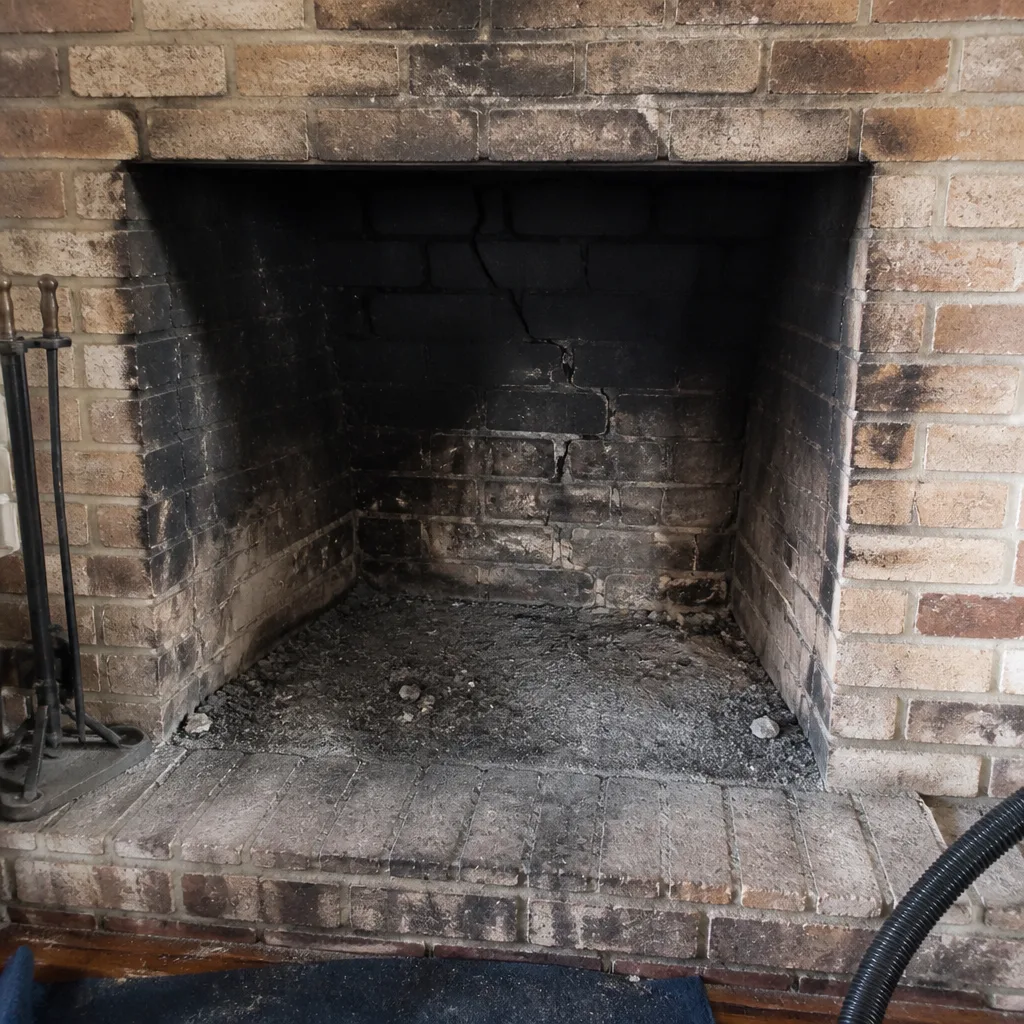 Before
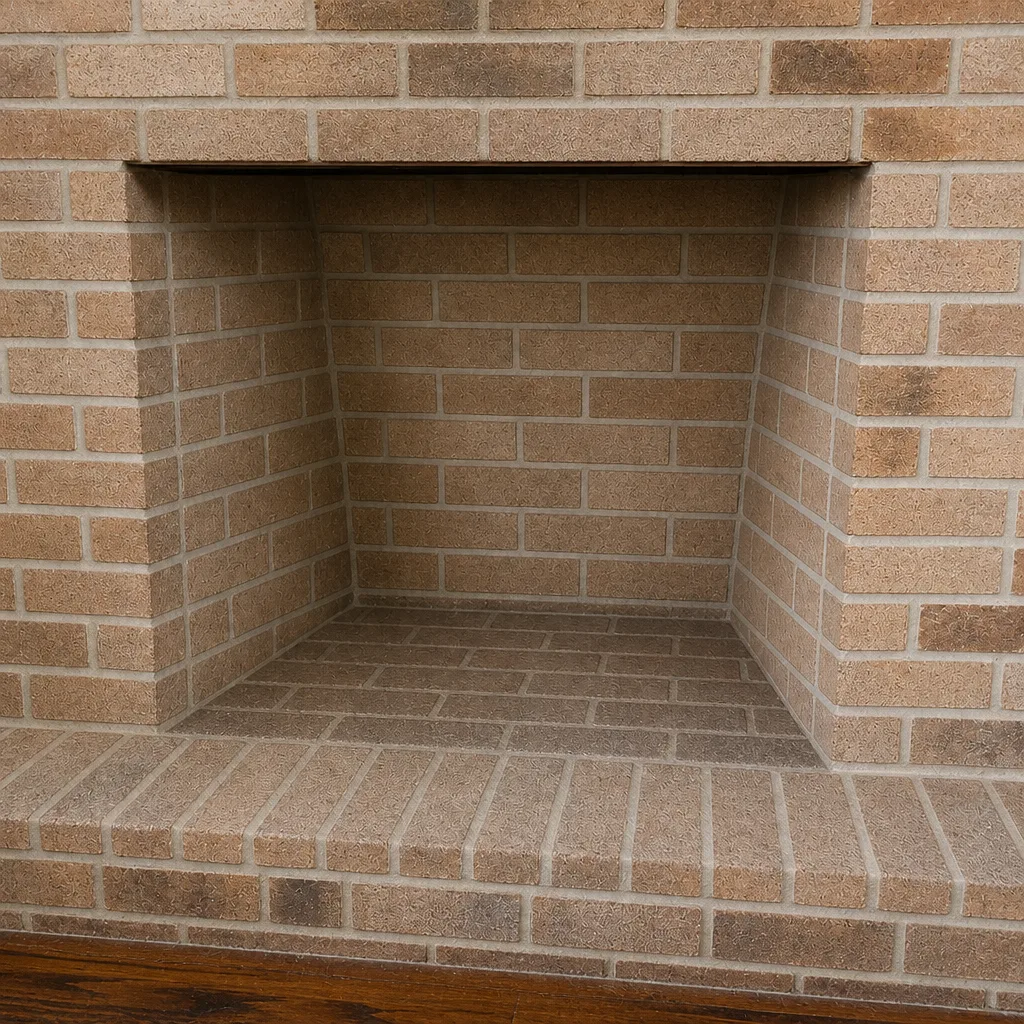 After
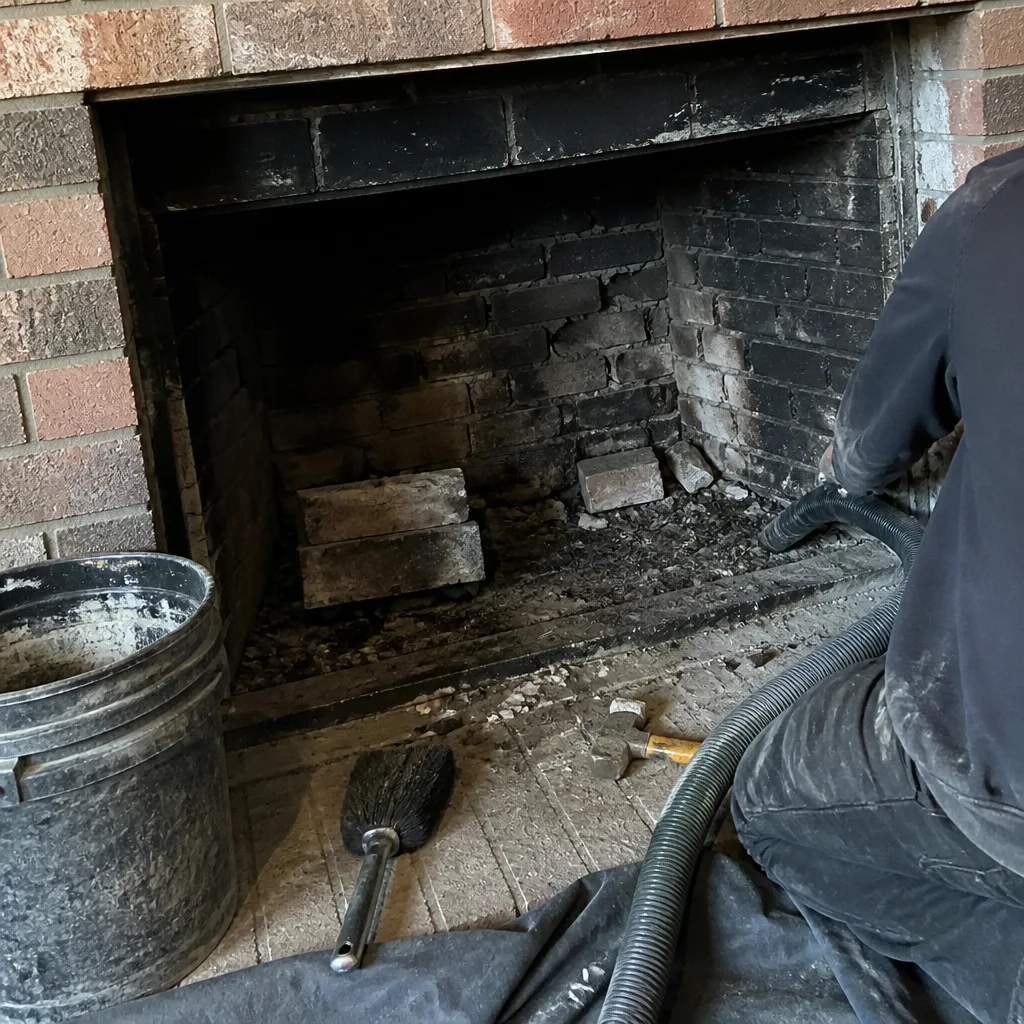 Before
 After
 Before
 After