
Last updated November 16, 2026
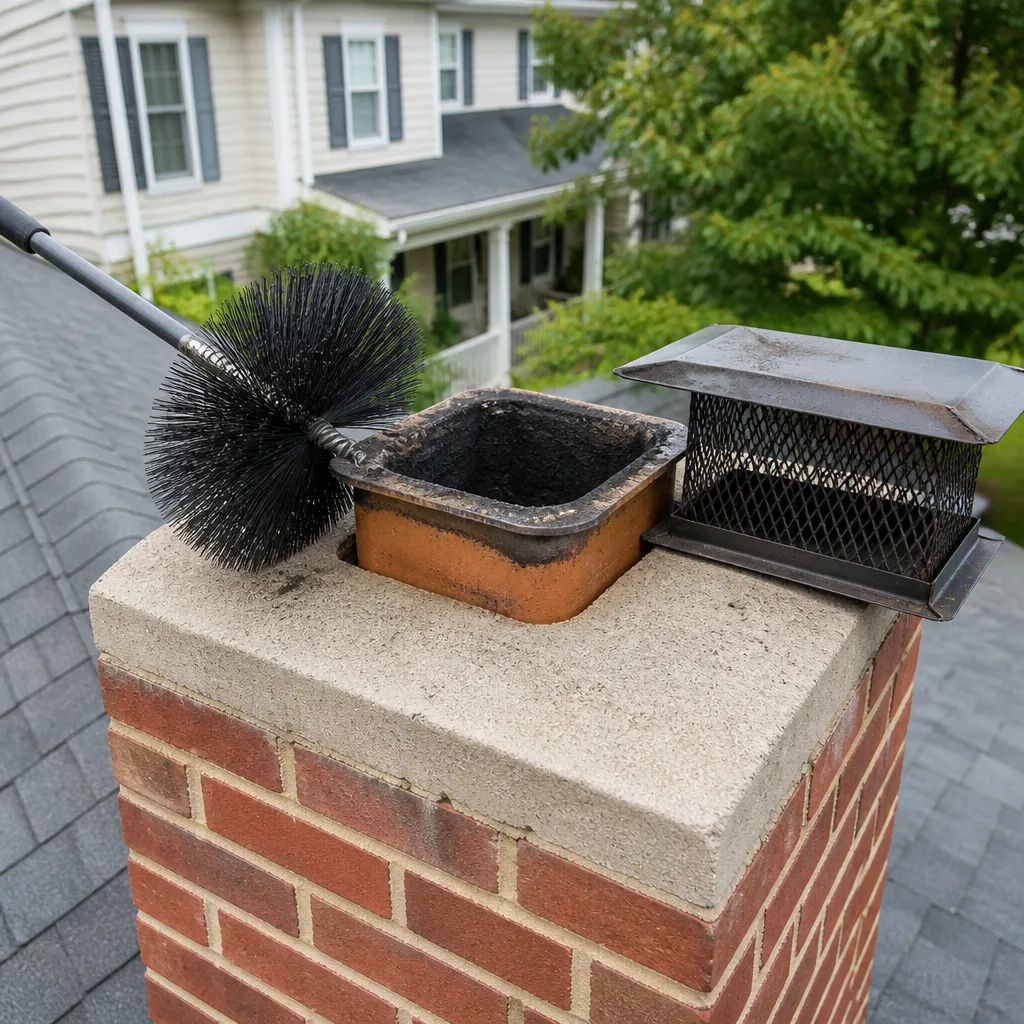 Sweep & inspection
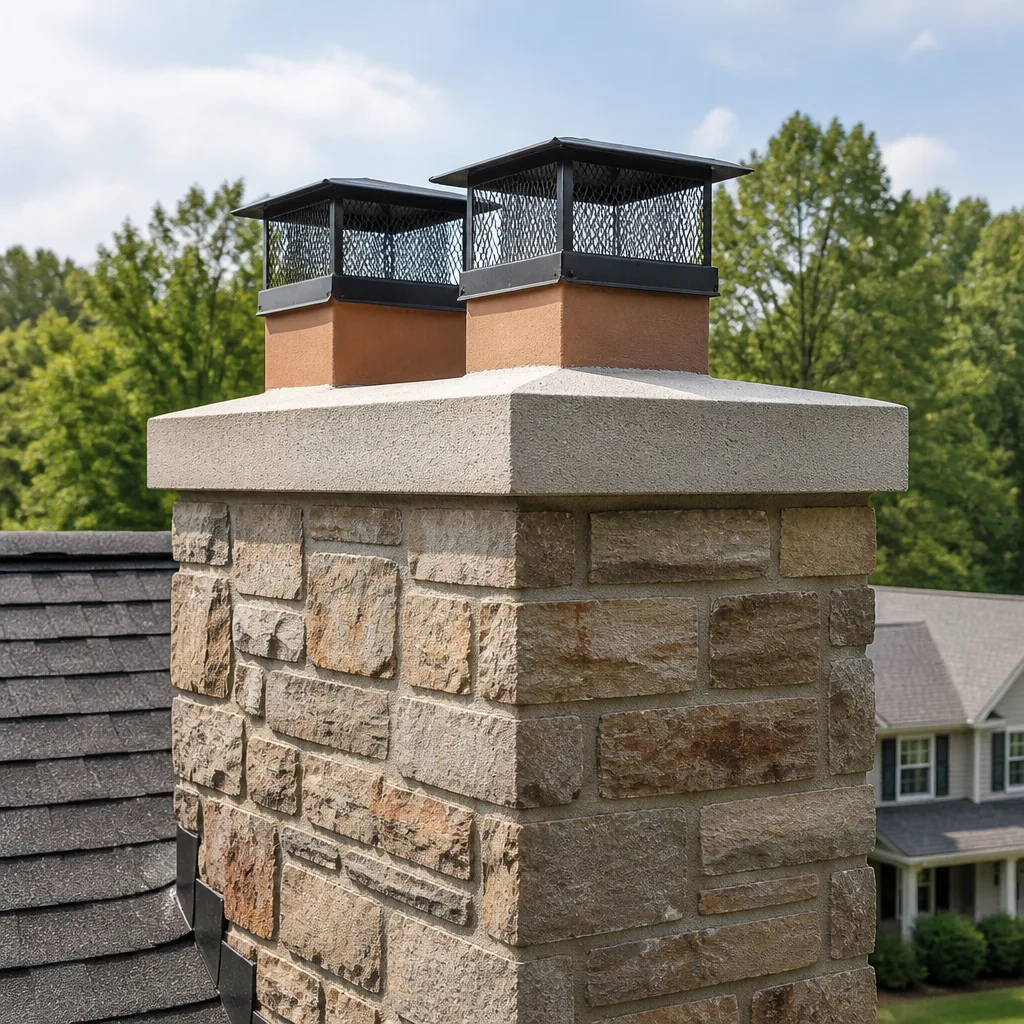 Caps & crowns
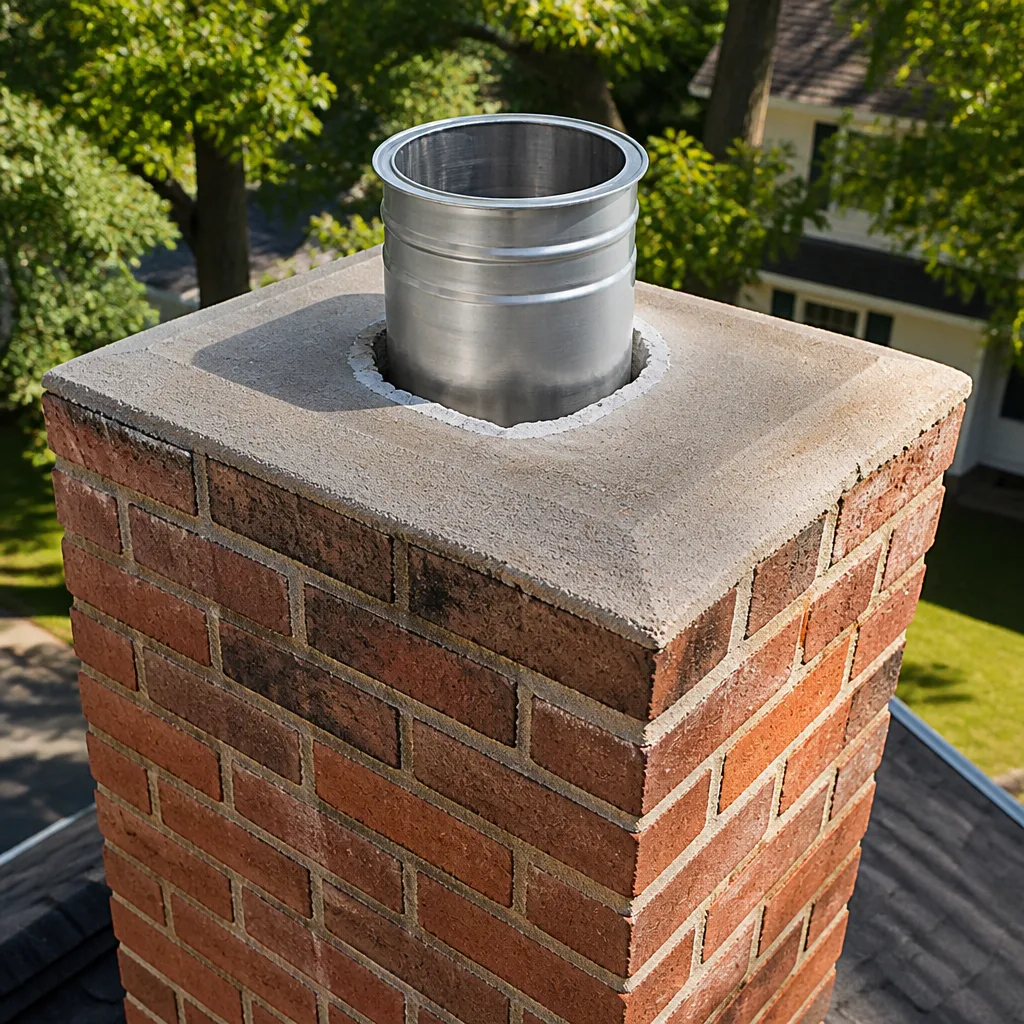 Flue relining
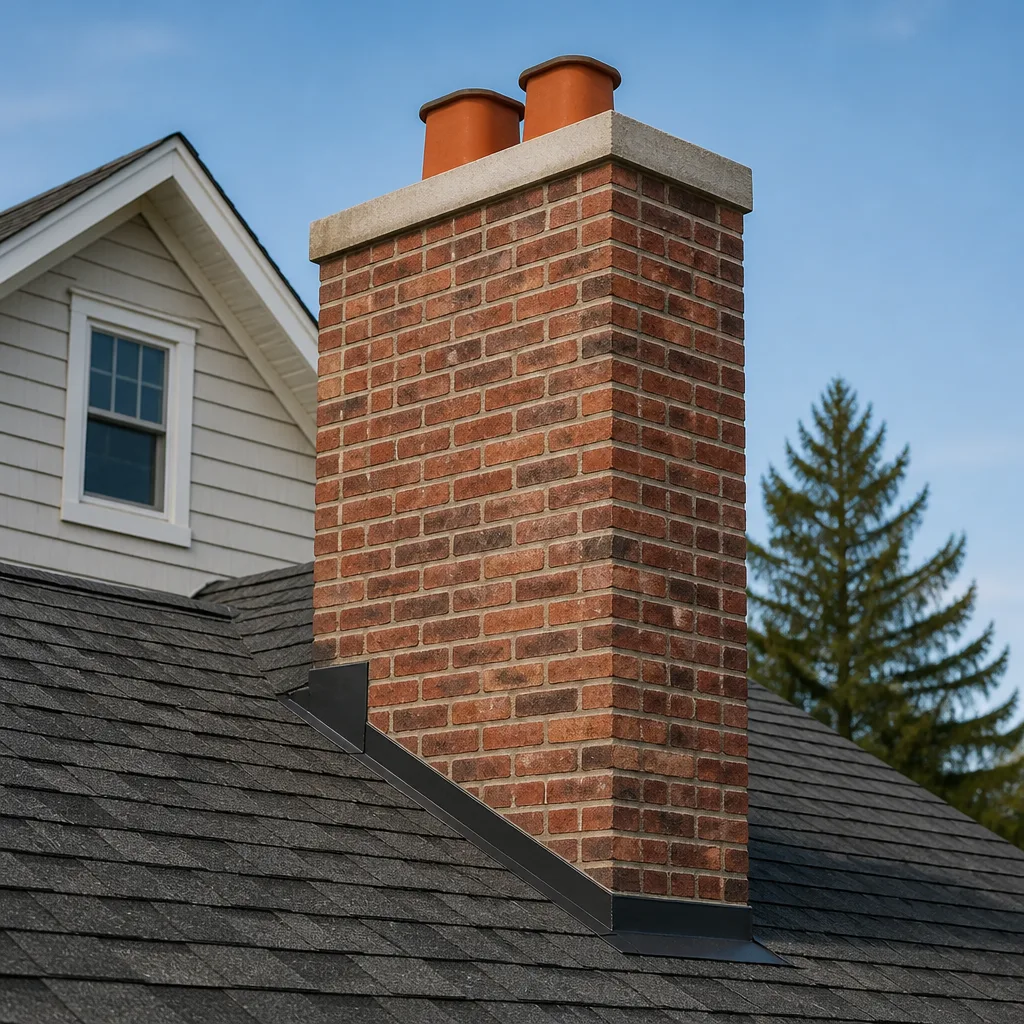 Masonry repair
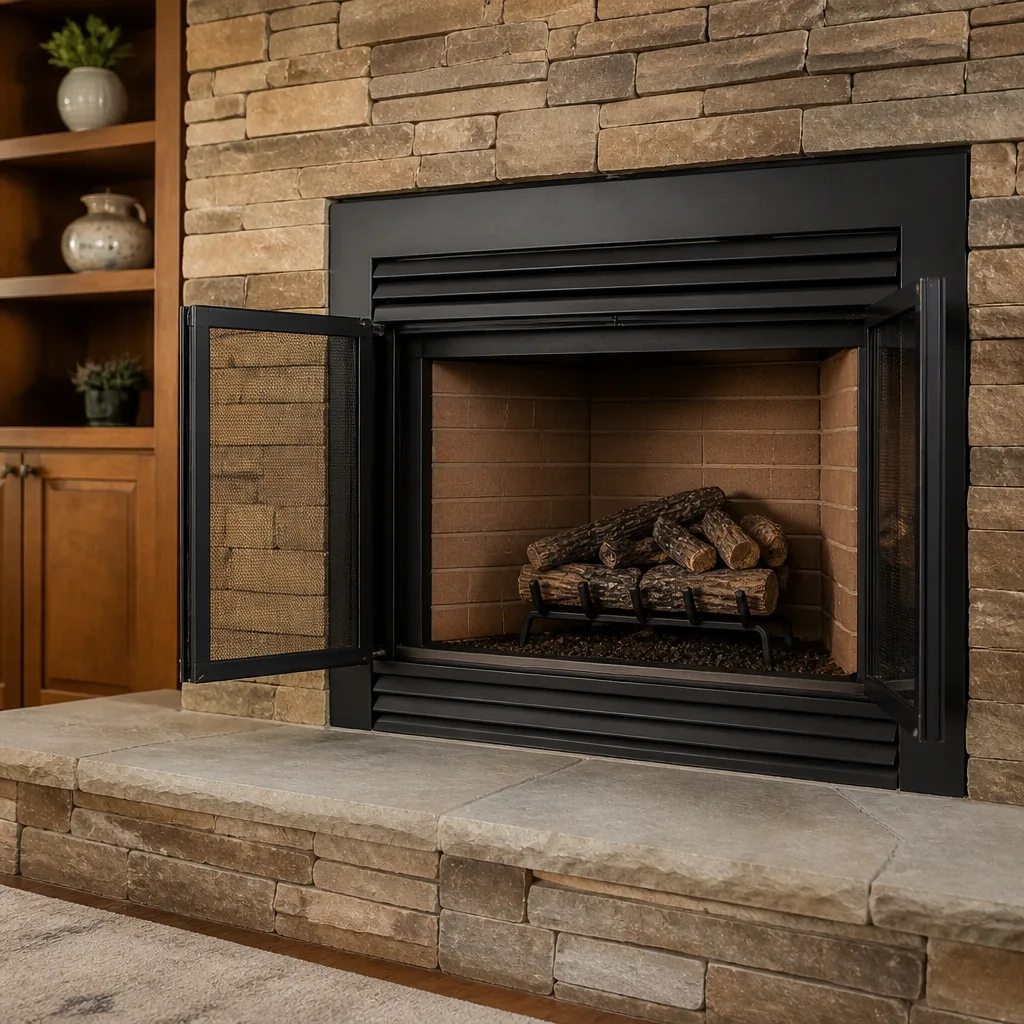 Gas fireplace service
Level 1 sweep and inspection to the NFPA 211 annual standard - flue, crown, cap, and flashing checked and photographed
Chimney sweep logs do not sweep chimneys. They loosen some creosote - which then falls where a brush and vacuum still have to collect it.
The Complete Guide to Chimney Cleaning in Amarillo
Most chimney cleaning advice you’ll find online was written for houses in damp, still climates where wood smokes slow and creosote builds at a predictable rate. Amarillo isn’t that place. The wind here reshapes how a chimney fouls, how fast creosote layers form, and what kind of debris finds its way down a flue. Guides calibrated for Seattle or Atlanta leave Panhandle homeowners under-prepared for the conditions their chimney actually faces. This guide recalibrates the standards to Amarillo: what real cleaning involves, how our wind and dust change the schedule, which inspection level you need, and where budget sweep services cut corners you can’t see.
Quick Answer
A chimney in Amarillo needs sweeping once a year if you burn wood regularly, and an annual inspection regardless of how often you burn. Because of the region’s wind, dust, and creosote conditions, the visual check most sweepers perform isn’t enough: you want a camera inspection that reaches the flue you can’t see. Cleaning removes what’s built up; the inspection tells you whether the flue is still sound enough to keep using.
Styles & brands we work with
- Sweep & inspection
- Caps & crowns
- Flue relining
- Masonry repair
- Gas fireplace service
Table of Contents
- Why Amarillo Chimneys Need a Different Cleaning Standard
- How Wind and Caliche Dust Speed Up Creosote Buildup
- Level 1, 2, and 3 Inspections: Which One Do You Need?
- What a Complete Cleaning Job Actually Includes
- How Often Should You Clean Your Chimney in Amarillo?
- Gas Appliances, Wood Stoves, and Air Quality in the Panhandle
- What Chimney Cleaning Costs in Amarillo
- DIY Sweeping vs. Professional Cleaning
Why Amarillo Chimneys Need a Different Cleaning Standard
Amarillo sits at the heart of the Texas Panhandle, on open, windswept plains where there’s little to interrupt the airflow between the house and the horizon. That geography is the single biggest reason chimney care here doesn’t mirror the national playbook. The city sees gusts that regularly top 40 mph, among the strongest of any major city in Texas, and those gusts don’t just move dust around the yard. They drive debris into caps and flues, they force downdrafts and backdrafts that push smoke and combustion byproducts back into the room, and they carry a steady load of fine caliche and prairie dust that settles where it can.
The soil here is caliche-heavy, a calcium carbonate hardpan that breaks down into a pale, alkaline powder. When the wind lifts that powder, it drifts into everything, including the top of a chimney. Over a season, the interior of a flue can pick up a coating that humid-climate guides never account for. That coating matters because creosote, the tar-like byproduct of burning wood, sticks to a rough or dusty surface far more readily than to a clean one. The dust acts almost like primer.
Then there’s the air itself. The Panhandle has significant gas well and oil field activity, and airborne combustion byproducts and fine particulates from that activity don’t just stay at the wellhead. They affect ambient air quality across the region. For a home that draws its combustion air from outside, that ambient load can subtly change how a wood stove or fireplace burns and what deposits it leaves behind.
None of this means Amarillo chimneys are doomed. It means the cleaning schedule and inspection depth that suit a calm, humid climate are too lax for ours. The rest of this guide translates the standard recommendations into what your chimney actually faces. If you want the overview of who does what, our chimney sweep service page covers the practical scope.
How Wind and Caliche Dust Speed Up Creosote Buildup
Creosote forms when wood smoke cools as it rises through the flue. The cooler the flue surface, the more of that smoke condenses as sticky residue. Humid-climate guides stress dry wood because moisture cools the smoke. That’s correct, but it’s only half the picture here. Wind and dust add two more variables.
Backdrafts chill the flue. When a gust hits the chimney top, it can overpower the weak draft of a freshly lit fire and push air back down the stack. That backdraft cools the flue walls and drops a load of unburned smoke onto surfaces that were already collecting residue. Down here, a fireplace that puffs smoke into the room on a windy night isn’t rare; it’s a sign the flue and cap aren’t managing the wind.
Dust gives creosote a foothold. Caliche dust that drifts into the flue creates a roughened, slightly porous interior surface. Creosote clings to rough surfaces far better than to smooth ones. The practical result: creosote accumulates faster than it would in a cleaner, calmer environment, and it can layer into glossy, hard-to-remove stages sooner.
What that means for the homeowner:
- Annual sweeping is a floor, not a target, for homes that burn wood regularly in Amarillo.
- If your fireplace sees heavy use, or you notice flaking, gummy, or shiny deposits at the firebox, schedule sooner.
- A cap in good repair is a dust-and-draft management tool, not a decoration. Damaged or missing caps let both wind and dust straight in.
- Dry, seasoned wood remains essential. It doesn’t fix the wind, but wet wood multiplies the problem.
Our technicians have up to 15 years of experience reading these patterns in Panhandle chimneys, and the recurring theme is the same: the deposits here run heavier than what a national schedule expects.
Level 1, 2, and 3 Inspections: Which One Do You Need?
The three inspection levels, defined by the professional chimney trade, differ in one thing: how much of the flue they can actually see. A Level 1 is a visual check with the basic tools; a Level 2 adds a camera; a Level 3 goes further when problems need opening a wall or removing components. Choosing the wrong level is the most common reason a chimney problem goes unnoticed.
Level 1: visual, accessible areas only. The inspector looks at the firebox, damper, and the flue as far as the eye can reach from the opening, reading the visible surface. It’s appropriate when the chimney has been well maintained, the appliance hasn’t changed, and nothing has suggested a problem. The limit is obvious: the eye can’t see around bends in the flue or past obstructions.
Level 2: camera inspection of the full flue. A camera is sent the entire length of the flue, including offsets and the flue interior above the firebox, and the inspector records what it finds. This is the level the trade recommends after a chimney fire, when the appliance changes, when a home changes hands, or when there’s a known or suspected issue. In Amarillo, add dust infiltration and wind damage to that list. The camera shows cracks, gaps, and dust-and-creosote buildup a visual check would miss. Chimney repair decisions should rest on what the camera reveals, not a guess.
Level 3: destructive or near-destructive inspection. This is used when a Level 2 turns up a problem that can’t be diagnosed without opening a wall, removing a component, or accessing hidden spaces. It’s the deepest level and the least common. It’s reserved for cases where the diagnosis genuinely depends on it.
A quick rule for Amarillo homeowners: a Level 2 fits most first-time-and-recurring service, because it’s the only level that reliably finds the dust infiltration and stratified creosote this climate produces. Here’s the flow a well-run annual visit follows:
- Confirm the chimney type and the appliances it serves.
- Sweep the flue and firebox, capturing all debris.
- Run a camera the full length of the flue (Level 2) and record findings.
- Walk the homeowner through the images and explain what matters and what can wait.
- Only then talk about repairs, with the evidence in front of you.
In our experience, the gap between “we found a problem” and “we fixed it” is where homeowners get stranded by one-trade contractors. Our service ties all three disciplines together. You can see the full scope on the Chimney Sweep Amarillo page.
What a Complete Cleaning Job Actually Includes
A real chimney cleaning is a system of steps, not a single pass with a brush. The most important thing to understand is that the cheap version of the job skips steps that don’t show up on the invoice. Here’s what a complete job should cover, so you can compare it to any quote you receive.
- Preparation and protection. Drop cloths and a sealed work area around the fireplace keep soot and dust off the room. A proper sweep controls the mess, including the fine caliche dust that a careless job spreads everywhere.
- Full-length flue sweeping. The brush runs the entire flue, not just the top of the firebox, so the walls come down to bare surface. This is what resets the creosote clock.
- Firebox and damper cleaning. Soot and debris collect here; the damper mechanism needs to move cleanly.
- Camera inspection of the flue. The flue interior is checked after cleaning, when the surfaces are visible. This is where dust levels, cracks, and liner condition get documented.
- Cap and top-of-chimney check. The cap is what keeps wind, rain, and animals out of the flue. In wind country, its condition is critical. This is where a professional-grade cap and venting component makes the difference.
- Photo report and a clear explanation. You get images of what was found and a plain explanation of which findings need action and which can safely wait.
Budget services tend to cut the camera inspection and the photo report first, because those don’t produce a check for the sweeper. That leaves you with a clean flue and no idea whether the flue is sound. Given what this climate does to a chimney, skipping the camera is like changing the oil without checking whether the engine has a leak.
How Often Should You Clean Your Chimney in Amarillo?
Clean a wood-burning chimney at least once a year, and schedule sooner if the fire saw heavy use or you spot heavy deposits. That’s the standard, and it’s the right floor. The Amarillo adjustment is direction, not a different rule: conditions here push more deposits into the flue, so the annual standard is a minimum here, not a comfortable target.
Think in terms of firebox volume rather than calendar alone. The classic measure is roughly a sixteenth of an inch of buildup at the firebox before sweeping is due. In a windy, dusty climate, that measure gets reached faster.
- Heavy burners (wood heat as a main or backup source): sweep more than once a year, and inspect with the camera.
- Recreational burners (a fire on cool evenings): annual sweep and camera inspection still make sense.
- Gas appliances: these don’t deposit creosote the way wood does, but they still need an annual inspection of venting and combustion flow. Gas byproducts and piping deserve a trained eye, never a DIY check.
- New-to-you homes: before the first fire, schedule a Level 2 so you know the flue’s history.
- After any chimney fire: a camera inspection comes first, then repairs before the next fire.
If you’ve just moved into a home in Amarillo or a nearby town and you have no maintenance records, treat it as a first-time inspection regardless of season.
Gas Appliances, Wood Stoves, and Air Quality in the Panhandle
Not every Amarillo chimney burns wood. Gas fireplaces and gas appliances vent combustion byproducts just as they need a clear, sound flue. The difference is what they put in the air: gas produces significant water vapor, and unless the flue and venting are correct, that moisture has to go somewhere. A properly functioning vent carries it out. A compromised one leaves it depositing inside the structure, which is a problem for the chimney and the home alike.
The region’s air quality, shaped in part by the area’s gas well and oil field activity, matters here because combustion draws from ambient air. A well-sealed home near active field activity is breathing air with its own particulate load. That doesn’t change the servicing rules, but it reinforces the point: the venting has to be sound, not just present.
Wood stoves carry their own needs. The flue they vent into is sized for them, and with the region’s wind and dust, a stove’s liner and cap are the first line of defense. The liner in a wood stove has to be rated for the temperatures and the deposits it sees. In the professional product mix we work with, liner systems like DuraFlex and Olympia Chimney are built for custom-fit installations in both standard and non-standard flue configurations, which matters in older Panhandle homes where the flue is whatever shape the original builder left. Where the flue is sound but a little rough, a resurfacing system such as HeatShield can restore the interior without a full reline. That choice should rest on camera evidence and the liner’s actual condition, not a salesman’s preference.
What Chimney Cleaning Costs in Amarillo
Chimney cleaning is priced per job by a written estimate, and the estimate is what you pay; the final figure is set by the written estimate, not a number quoted over the phone for a different house. Still, a line-item picture helps you compare quotes and spot the ones that skip essential steps. Below is the typical structure of an Amarillo cleaning-and-inspection job in estimated ranges.
| Service | What it covers | Typical estimated range |
|---|---|---|
| Standard sweep | Full-length flue sweep, firebox and damper cleaning, debris removal, protective setup | Low to mid tier |
| Annual inspection (Level 1 or 2 as appropriate) | Visual or camera inspection, with photo documentation of findings | Modest add-on or included with sweep depending on scope |
| Camera inspection (Level 2) | Full-length flue video, condition assessment | Mid tier |
| Cap check and replacement components | Top-of-chimney protection, wind and water control | Varies by component |
| Liner resurfacing or relining (if needed) | HeatShield resurfacing or a custom liner system | Higher tier; estimate after inspection |
Notice that the cleaning and the inspection are separate lines in this framing because that’s how a complete job is built. A quote that offers a low sweep price and skips the inspection is selling half a job. When you compare, ask each provider two questions: does the sweep reach the full flue length, and will a camera be used? The answers tell you whether the numbers are comparable at all. Our team provides free estimates; call for one based on your chimney’s actual layout.
DIY Sweeping vs. Professional Cleaning
A homeowner can inspect and brush a fireplace and flue, but sweeping blind with rented rods and a brush risks two things: missing a section of the flue, and sending soot and caliche dust through the house. It does nothing about camera inspection. A professional job exists for the parts DIY can’t reach: the flue’s full length, the inside of offsets, and the top-of-chimney conditions that draw wind and dust in.
The other reason to bring in a professional is that the cleaning is the easy part. The real question for an Amarillo chimney is whether the flue inside is sound, and that takes a trained eye and a camera. A sweep without an inspection leaves that question open. Our technicians have the training to inspect, read the findings, and repair what needs it, all in one visit.
- DIY fits routine surface cleaning of the firebox and checking the damper movement.
- DIY doesn’t fit the full flue, the camera inspection, or any repair.
- With wind-driven dust and stratified deposits common here, a visual-only look is a gamble.
You’ll find related practical guidance in our Amarillo area page and the core service pages, which explain how the sweep, inspection, and repair connect. The point is the same everywhere: a clean chimney is only useful if you know the flue around it is sound.
Common Mistakes to Avoid
- Trusting a sweep that never runs a camera. A visual check from the firebox opening misses the flue above the offset, which is exactly where Amarillo dust and creosote concentrate. Ask for the camera and the photos before you agree to any repair.
- Skipping the cap. In wind country, a damaged or missing cap lets dust and debris straight into the flue, and it’s the first thing to check when a fireplace backdrafts. A professional-grade cap is a draft and dust control component, not trim.
- Burning wet or unseasoned wood. This is the single easiest way to speed creosote buildup, and it makes the Panhandle’s existing conditions worse. Seasoned wood and good draft are the baseline.
- Postponing the inspection because the sweep “looked clean.” The flue interior is what matters, and it’s invisible without a camera. A clean firebox tells you nothing about the flue above it.
- Assuming the wind cleans the chimney. It does the opposite. Wind brings dust and backdrafts, and both add to the deposits. Where you’d let a humid-climate chimney go a bit longer, a windy one is due sooner.
- Hiring one trade for the sweep and another for the repair. When the sweep finds a problem, the gap between the finding and the fix is where jobs stall. One call should cover both.
- Firing up a gas appliance without checking the vent. Gas vents need an inspection as much as a wood flue does. Combustion byproducts and moisture have to go somewhere, and a compromised vent doesn’t do it correctly.
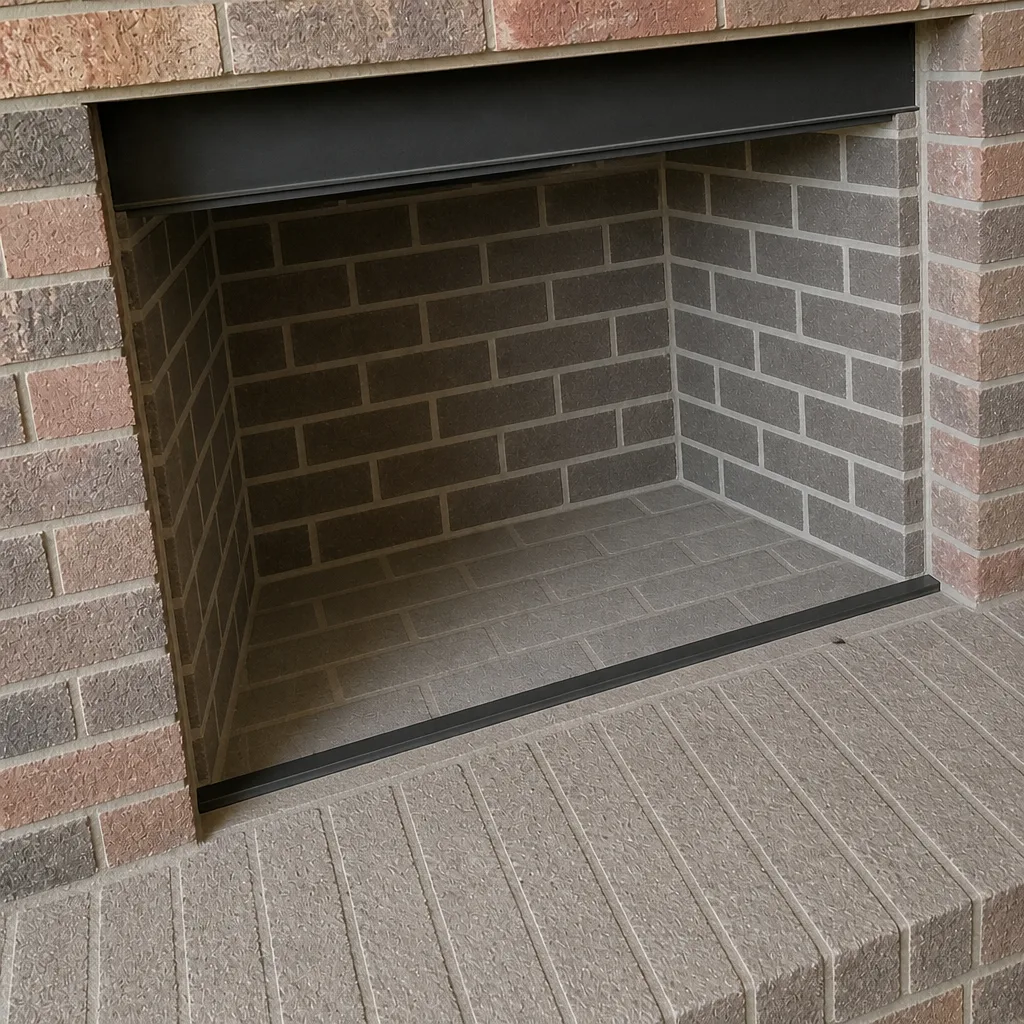
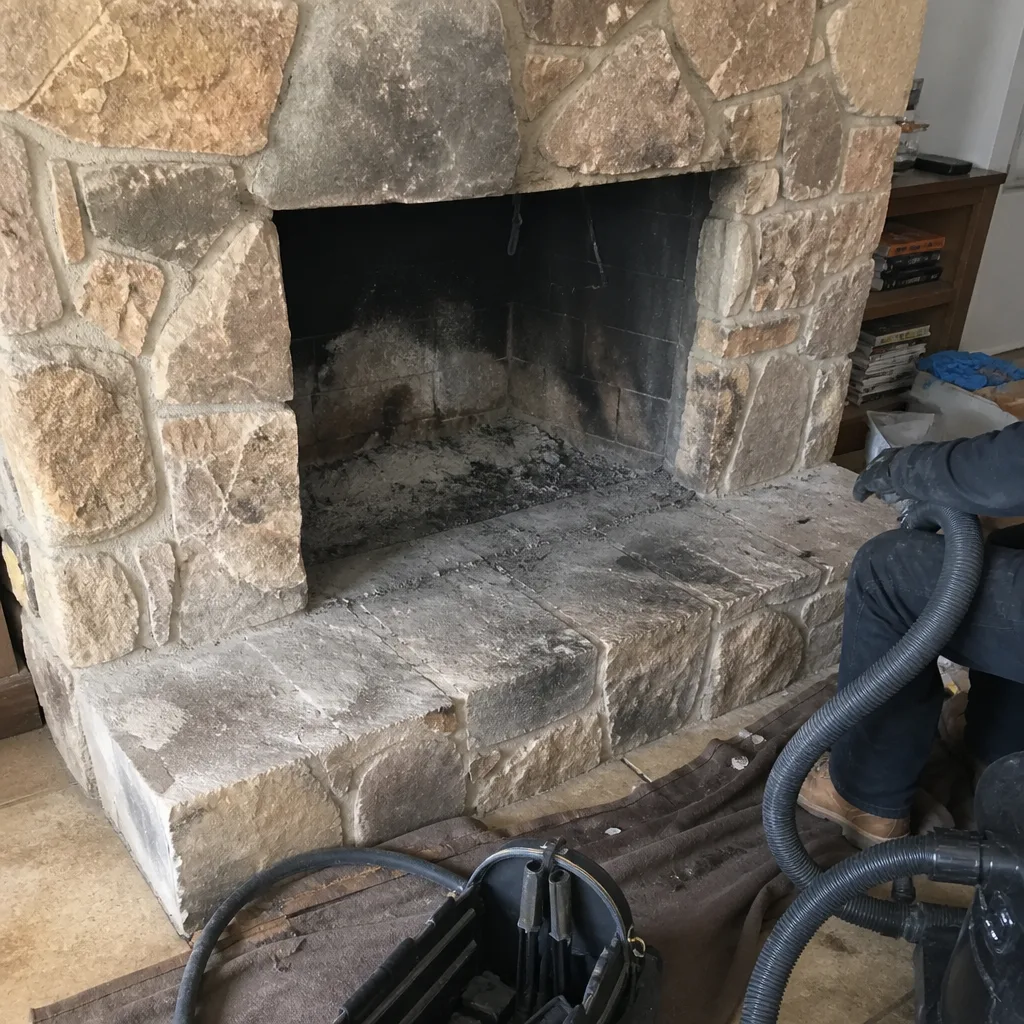
See the difference
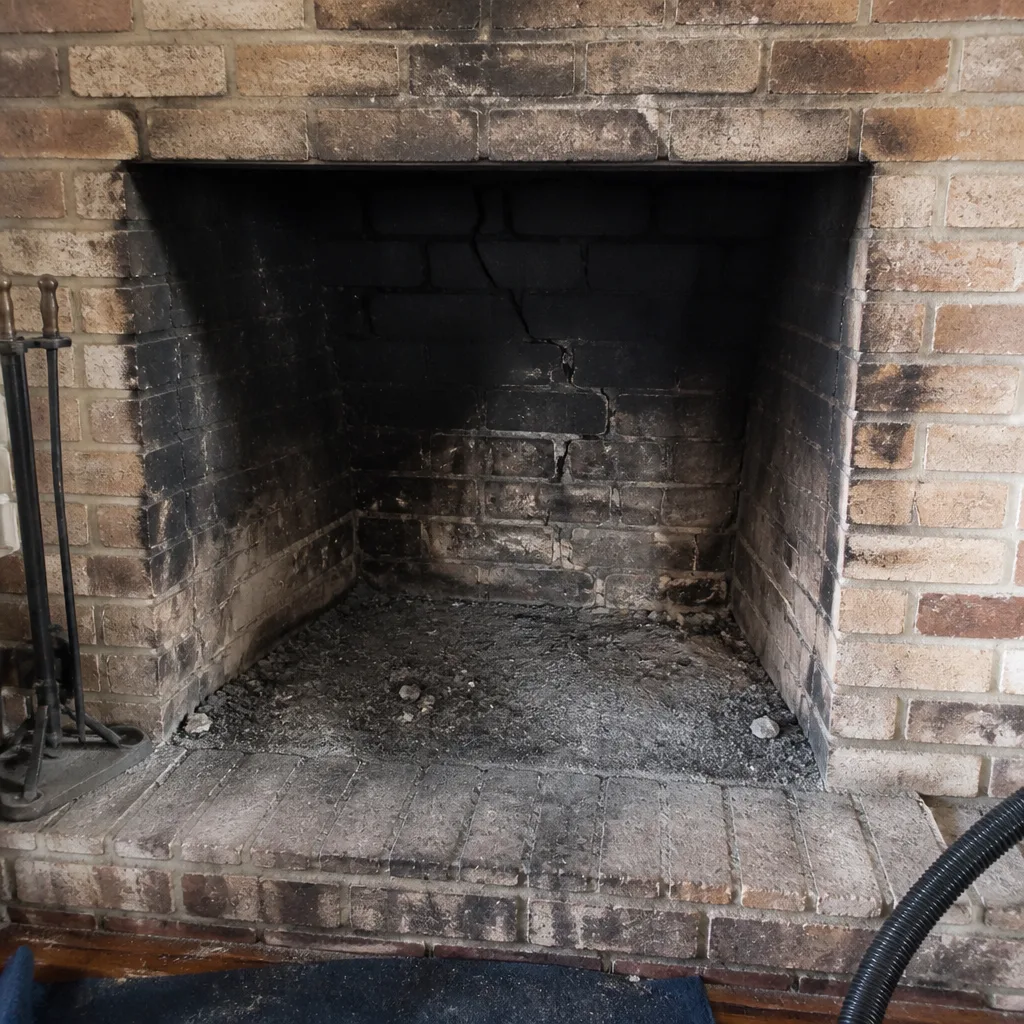 Before
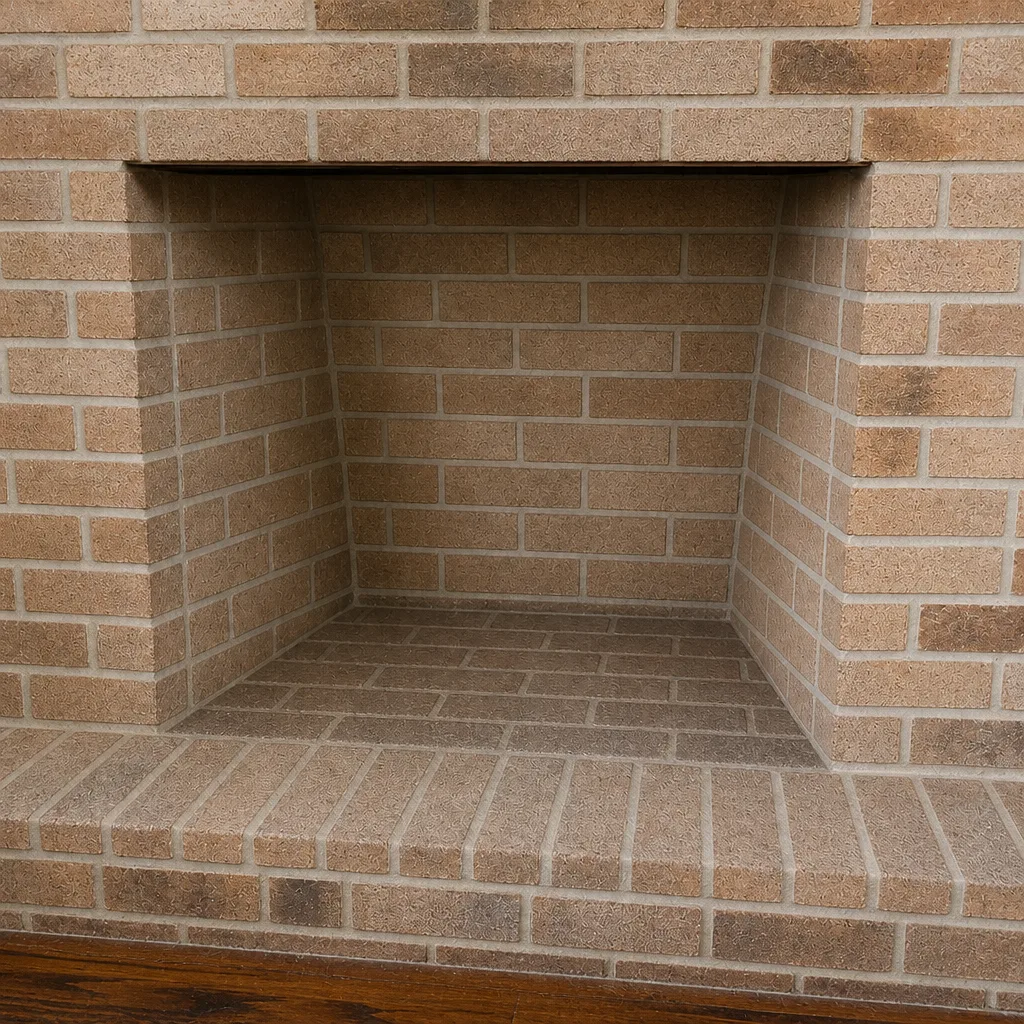 After
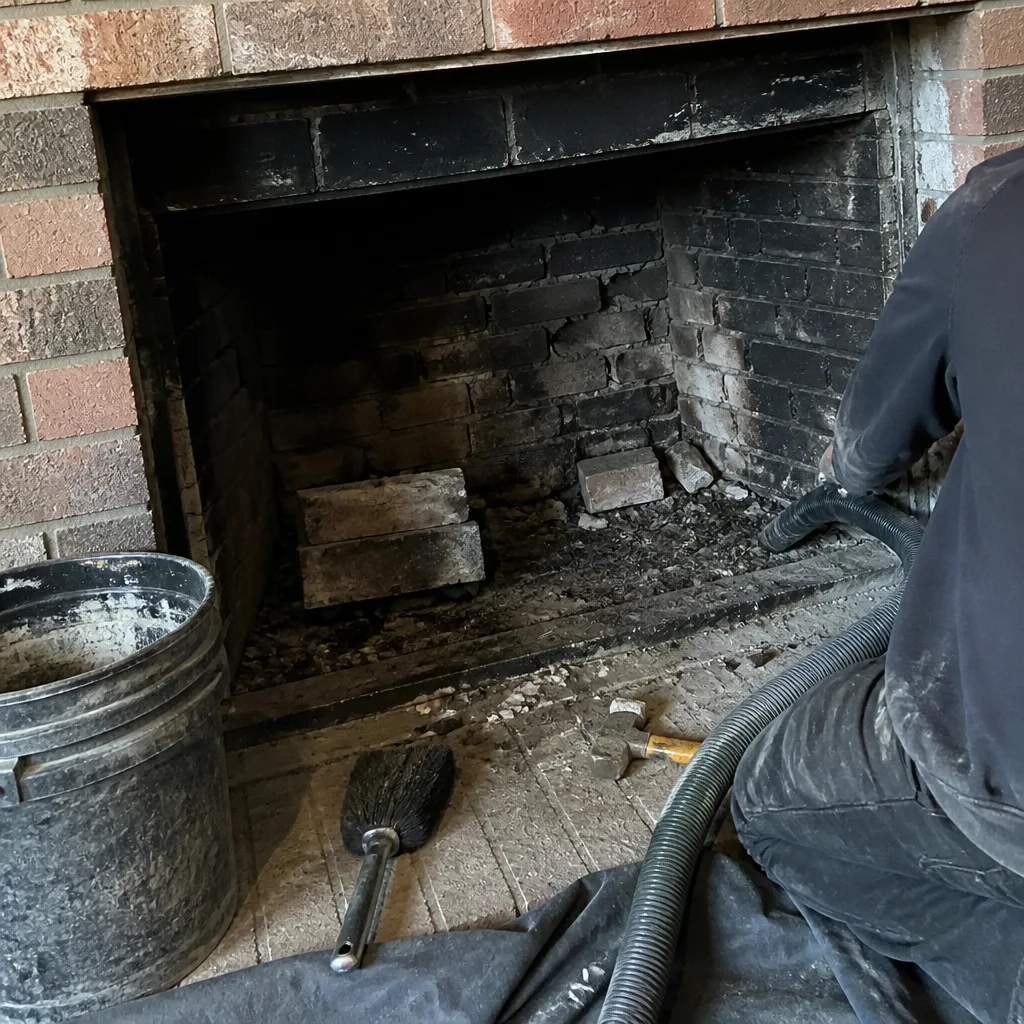 Before
 After
 Before
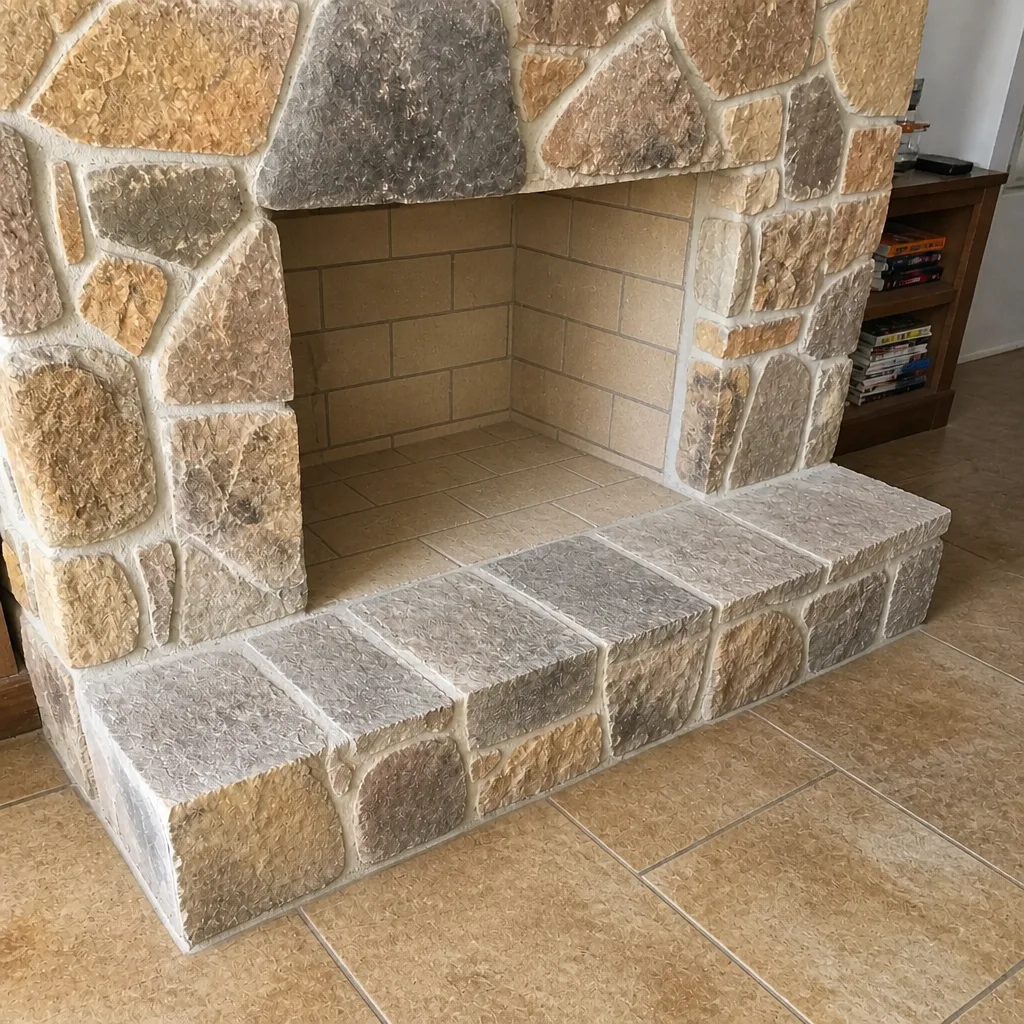 After
When to Call a Professional
Call a professional chimney service if any of these sound familiar: you haven’t had a sweep or inspection in the last year; you’ve just moved into a home and don’t know its history; you’ve had a chimney fire, however small; your fireplace smokes or backdrafts on windy days; you see shiny deposits inside the firebox or a damaged cap on the roof; or a gas appliance or wood stove hasn’t been serviced. With Amarillo’s wind and dust conditions, “it looked fine last year” is not a safe assumption about the flue. Chimney Sweep Amarillo offers free estimates in Amarillo; we can inspect the flue with a camera, show you what we find, and repair what needs it, since the sweep, the inspection, and the fix come together. Call for an estimate.
Frequently Asked Questions
The price is set per job by a written estimate, and the estimate is what you pay, but a complete sweep with a camera inspection typically sits mid-range, while a basic sweep alone is lower. The important comparison isn’t the headline number: it’s whether the quote includes the full-length sweep and a camera inspection. Ask both questions before you book. Call (888) 527-6071 for an exact quote; estimates are free.
Only if the camera shows the flue is compromised, and that decision should rest on visible evidence, not a verbal recommendation. In many cases the flue is sound but rough, and a resurfacing system such as HeatShield can restore the interior without the cost of a full reline. The rule is simple: nothing gets recommended without images you can see for yourself. Call (888) 527-6071 for an inspection and a clear written estimate.
At least once a year for anyone burning wood regularly, and sooner for heavy use. Wind and caliche dust mean deposits pile up faster here than the national schedule assumes, so annual is a floor. If your fire sees a lot of use, or the firebox shows heavy buildup, schedule more often. Call (888) 527-6071 to talk through your fireplace’s actual use.
Creosote and dust keep accumulating, and the flue gets a heavier load than a clean one. More importantly, you have no record of the flue’s condition, so a crack or gap that the camera would catch can go unnoticed. That’s not a reason to panic, but it is a reason to have the flue documented once a year. Call (888) 527-6071 for a sweep and inspection.
Yes, more than most chimney guides account for. Wind gusts drive debris into caps and flues, force backdrafts that cool the flue and drop smoke onto surfaces, and carry caliche dust that roughens the interior and gives creosote a better grip. It’s a reason to keep the cap sound and to inspect with a camera, not just assume the wind cleans things out. Call (888) 527-6071 for a look at your flue.
A Level 1 is a visual check of the accessible areas; a Level 2 adds a camera inspection of the full flue; a Level 3 goes further and can require opening a wall. For most Amarillo homes, a Level 2 is the practical choice because a camera reaches what a visual check can’t. Call (888) 527-6071 and we’ll recommend the right level for your chimney.
The Bottom Line
Amarillo’s wind, caliche dust, and gas field air make the national chimney-cleaning schedule a floor, not a target. Clean your wood-burning chimney at least once a year, inspect with a camera rather than a visual glance, and keep the cap sound, because it’s your first defense against the wind and dust. When the camera finds a problem, the sweep, inspection, and repair should come from one place. Nothing should be recommended without images you can see and judge for yourself. Call (888) 527-6071 for a free estimate in Amarillo. We answer 24/7, with fast dispatch from 7am to 7pm, Sunday through Friday.
Written by the team at Chimney Sweep Amarillo.