
Last updated November 16, 2026
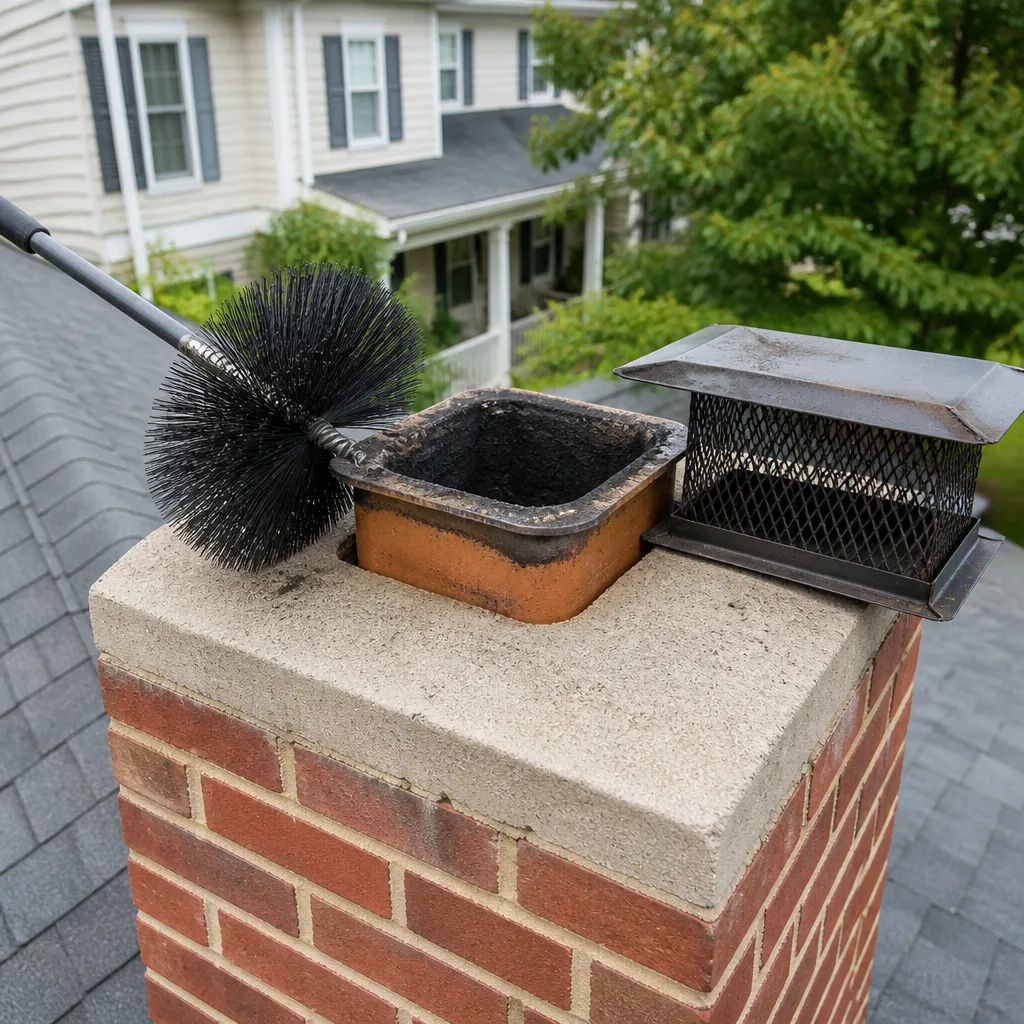 Sweep & inspection
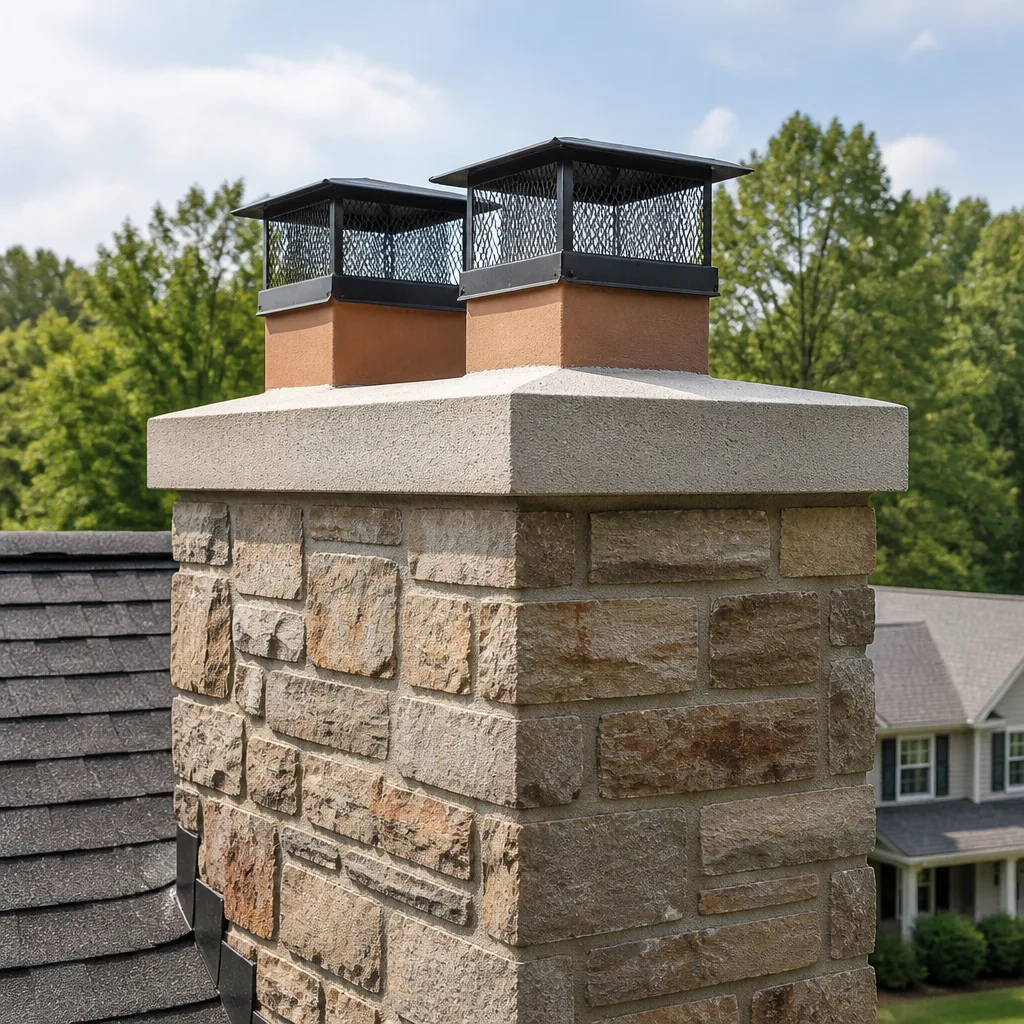 Caps & crowns
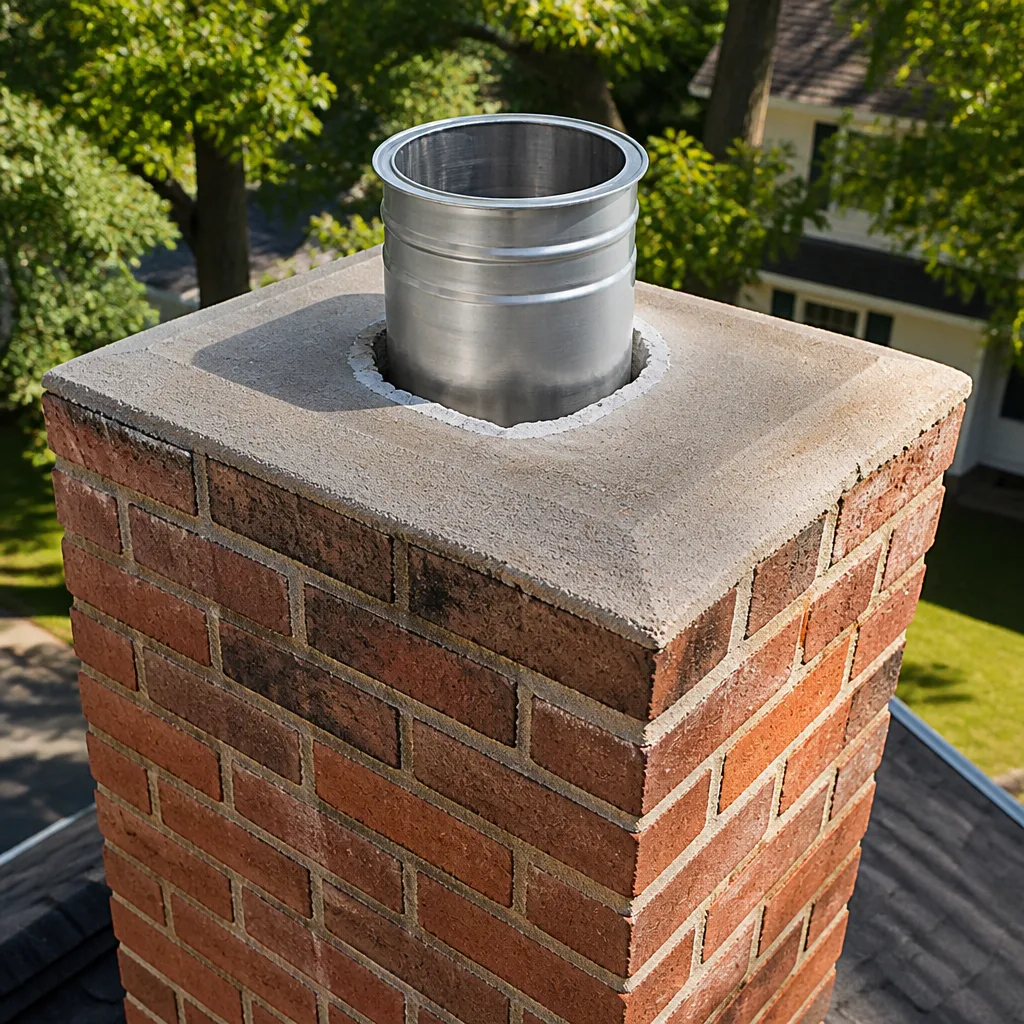 Flue relining
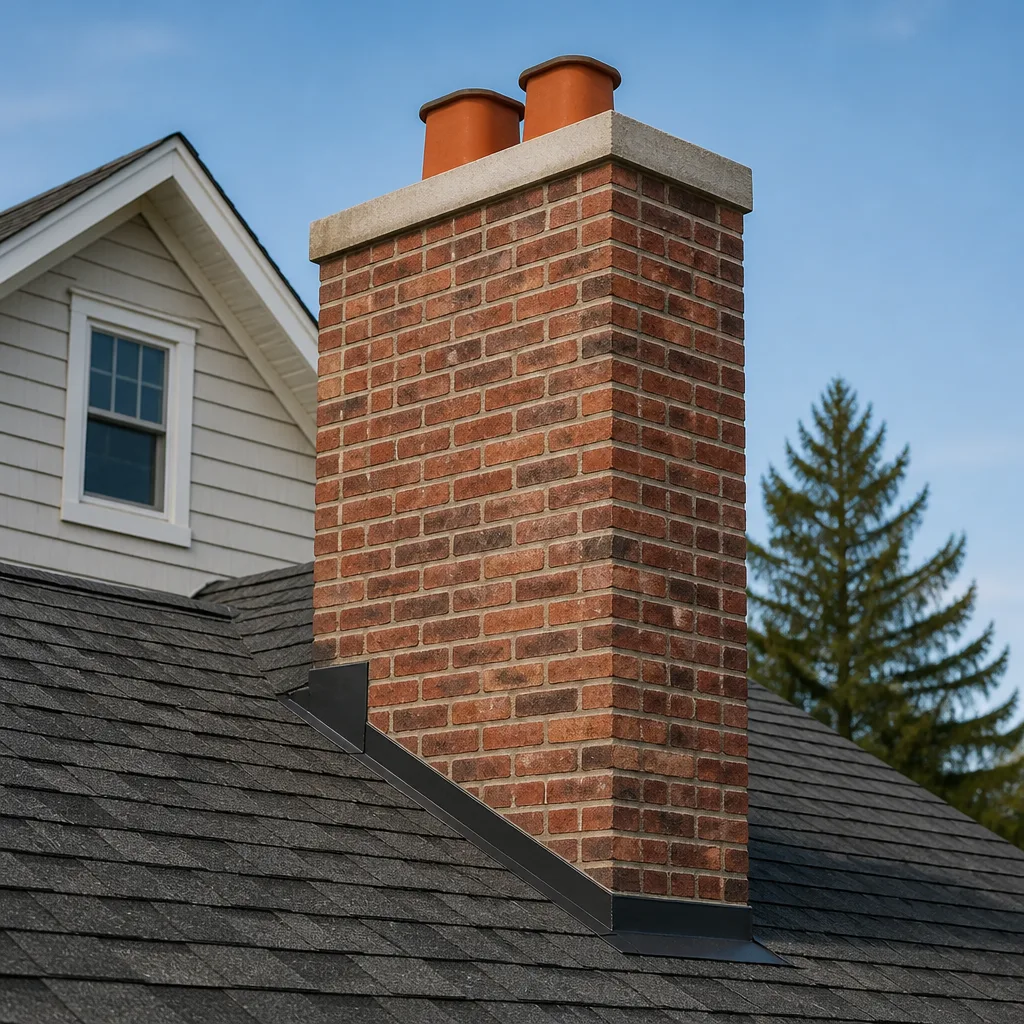 Masonry repair
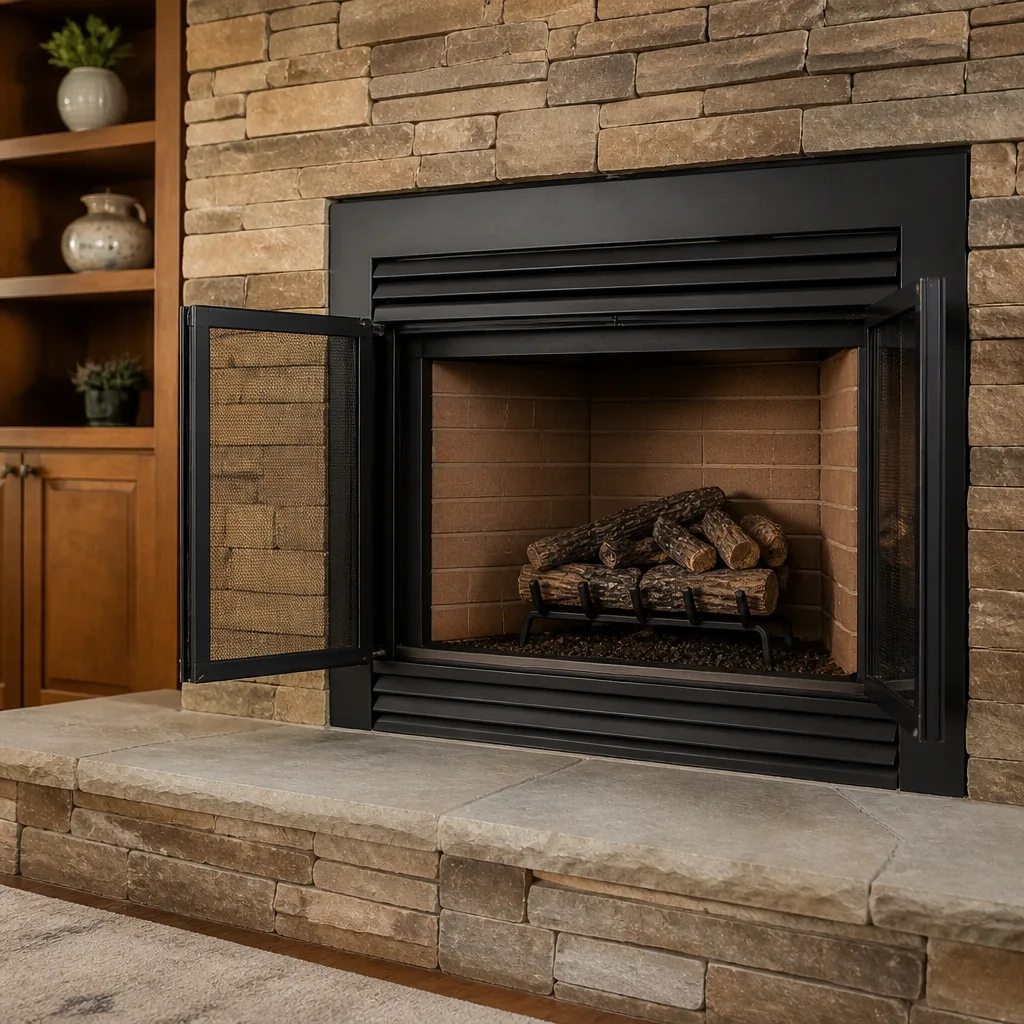 Gas fireplace service
Level 1 sweep and inspection to the NFPA 211 annual standard - flue, crown, cap, and flashing checked and photographed
Chimney sweep logs do not sweep chimneys. They loosen some creosote - which then falls where a brush and vacuum still have to collect it.
Chimney Cleaning Cost Breakdown: The Amarillo Homeowner’s Reference for 2026
The $99 chimney cleaning special is real – and so is the $400 follow-up call that comes when the sweep who took it never checked the liner before you lit the next fire. In our experience across Amarillo, the price range for a “chimney cleaning” runs from under a hundred dollars to well over six hundred, and the gap almost never reflects a better job for more money. It reflects a different scope of work. Some quotes cover a brush-down and nothing else. Others cover the sweep, a Level 1 inspection with photographic findings, and a written agreement on any repair before anyone touches a tool. This guide breaks down what a complete job actually includes line by line, what common findings add to the bill in Amarillo’s market, and how to read a quote before you agree to it.
Quick Answer
A complete chimney cleaning in Amarillo typically costs in the $180 to $400 range, and that figure should include a full sweep plus a Level 1 inspection with photographic findings. Cleaning-only services often quote $89 to $175 but stop at the brush-down, so any liner, crown, or damper issue turns into a second visit and a second charge. The written, itemized estimate sets the final price before work begins.
Styles & brands we work with
- Sweep & inspection
- Caps & crowns
- Flue relining
- Masonry repair
- Gas fireplace service
Table of Contents
- What a Complete Chimney Cleaning Includes
- Line-Item Cost Breakdown for Amarillo
- What Additional Findings Add to the Base Price
- Flat-Rate Quotes vs. Diagnostic-First Quotes
- Cleaning-Only vs. Full-Service Specialists
- How to Evaluate a Quote in Writing
- How Often Should an Amarillo Chimney Be Swept?
- Safety: What You Should Never Do Yourself
What a Complete Chimney Cleaning Includes
A complete cleaning is more than a brush on a rod. It’s a sequence of connected steps, and each one produces information the next one depends on. When a quote covers only the first two steps, the rest doesn’t disappear – it just moves to a later invoice, usually after you’ve already burned through another season. Here’s what a full cleaning and Level 1 inspection should involve, in order:
- Setup and protection. Drop cloths and a sealed work area around the hearth keep soot out of the room. This is a small step that separates a professional visit from a rushed one.
- Firebox and damper check. Before sweeping, the damper is opened and checked for free movement, and the firebox is examined for cracked brick or loose mortar.
- Flue sweep. The flue is brushed from the top or bottom to remove creosote and soot. The grade of creosote matters enormously here – more on that below.
- Debris removal. Soot and creosote are collected and removed from the property, not left in a bag by the door.
- Level 1 inspection. A visual check of the accessible portions of the flue, firebox, damper, smoke chamber, and cap, plus the exterior chimney structure where reachable.
- Photographic findings. Photos of anything questionable, shared with you before any repair is discussed.
- Written summary and estimate. A clear account of what’s fine, what needs watching, and what needs work, with a price for each item.
When we quote a job in Amarillo, that’s the sequence. It’s also why we can’t give a meaningful number over the phone without knowing the appliance type, the flue configuration, and whether you’ve had a cleaning in the last year. If a quote is offered without any of those questions, that’s the first sign it isn’t covering the whole sequence.
Line-Item Cost Breakdown for Amarillo
Here’s how the pieces typically break down in the Amarillo market for 2026. These are estimates, and the written estimate for your specific chimney is what sets the final price. No two flues are identical, and a house with a straight, accessible flue costs less to service than one with an offset or a tight roof pitch.
| Line Item | Typical Estimated Range |
|---|---|
| Standard flue sweep (brush and debris removal) | $110 – $220 |
| Level 1 inspection with photographic findings | $60 – $150 |
| Complete sweep plus Level 1 inspection (combined) | $180 – $400 |
| Gas appliance flue cleaning (single flue) | $100 – $180 |
| Creosote removal, stage 3 (glazed, chemical process) | $350 – $700+ |
| Bundled cleaning and inspection for a wood-burning fireplace | $200 – $350 |
A few local factors move those numbers. Amarillo’s housing stock includes a lot of older brick chimneys with original clay tile liners, and an aged liner adds inspection time because the technician is checking flue tile joints for gaps rather than just sweeping past them. A chimney with a heavy cap, a tight roof pitch, or an exterior chimney stack takes longer to access than a straight run from the firebox. Length of flue matters too. A short residential chimney is quick to sweep; a tall one with a smoke chamber above the firebox is not.
The real difference between the low quote and the high quote is almost always whether the inspection is bundled in. A $99 special frequently excludes it. The homeowner ends up paying the special, then paying again for a proper inspection, which is the number that should have been on the first quote. If you want a straight comparison of what a chimney sweep should include, ask the provider to show you the scope in writing before you agree.
What Additional Findings Add to the Base Price
Most of the time, a cleaning finds a clean chimney and nothing else. But roughly a third of the first-time visits we handle turn up something worth fixing, usually because the chimney has gone several seasons without a proper look. Here are the common findings in Amarillo and what they add to the base price:
- Damaged flue tiles. Cracked or spalled clay tiles are a serious finding. They open a path for heat and combustion gases into framing. Repairs vary from spot mortarwork to relining, and a full reline runs well into the thousands. HeatShield resurfacing, which we use for liner repair, can restore an intact but deteriorated liner without the cost of a full reline, which is the reason it matters here.
- Crown damage. The concrete crown at the top of the chimney sheds water away from the flue. A cracked crown lets water into the masonry, which then works inward. Crown repair is typically a smaller line item but should never wait indefinitely.
- Missing or damaged cap. A cap keeps water, animals, and drafts out of the flue. We install Copperfield and Gelco caps and venting components as part of the same visit, which means the fix happens while we’re already on the roof rather than months later.
- Damper problems. A rusted damper that won’t open fully or seal properly is a common find on older fireplaces. Replacement is a modest line item, but an unsealed damper can cost you real heat in a mild winter.
- Stage 3 creosote. Glazed creosote is a hard, tar-like deposit that a standard brush won’t remove. It’s the most expensive cleaning scenario because it requires a chemical process over a longer visit.
Stage 3 creosote matters in Amarillo because we do get cold snaps where homeowners burn steady for a stretch, and burning green or unseasoned wood compounds it. If your last few fires left more smoke than they should have, that’s a signal to have the flue looked at rather than a reason to burn through another season.
Flat-Rate Quotes vs. Diagnostic-First Quotes
A flat-rate quote gives you one number for the sweep and nothing more. A diagnostic-first quote gives you a number for the sweep and inspection, with any repair priced separately after the findings are in hand. The first looks simpler. The second is the one that protects you.
Here’s why. A flat-rate cleaning quote has no mechanism for telling you whether the flue is safe. The provider’s incentive is to conclude and move on. A diagnostic-first quote puts the findings in front of you before any additional work is discussed, and it makes the scope visible. That’s not a matter of trust so much as structure: if a company has already agreed in writing to deliver photographic findings, then the report is part of what you paid for.
When you compare quotes in Amarillo, put them side by side on three points:
- Is the inspection included, or an add-on?
- Are findings delivered in photos, in a written report, or neither?
- Is the repair quote given at the same visit, or does it require a separate appointment?
If two quotes differ on all three, they aren’t quotes for the same job, and the lower number is not the lower cost. A complete job with findings in writing is what a professional chimney specialist in Amarillo should be offering as standard.
Cleaning-Only vs. Full-Service Specialists
Cleaning-only services do one thing: they sweep. When they find a problem, they hand you a note and you start calling around for a repair company. In our experience, that gap between “we found a problem” and “we fixed it” is where homeowners spend the most money, because the repair company has to re-diagnose the chimney before quoting the work. You’ve paid twice for the same look.
A full-service specialist handles sweeping, inspection, and repair in the same visit. The technician who sweeps the flue is the one who inspects it, and if the inspection turns up a cracked crown or a damaged cap, that technician can quote and complete the repair on the same call. We carry a curated set of professional chimney brands for exactly this reason – DuraFlex liner systems for standard and non-standard flue configurations, HeatShield for liner resurfacing, and Copperfield caps, so the parts match the job rather than whatever ships fastest. Being trained on those brands means the repair isn’t a special order in most cases.
This matters most when the inspection turns up something significant. A reline with DuraFlex can be scheduled promptly with the same crew that found the problem, rather than getting lost between two companies. One call covers the sweep, the inspection, and the fix.
How to Evaluate a Quote in Writing
A chimney quote should be a document you can read carefully, not a verbal number. Before you agree to work, confirm every line below is present and clear in writing. If any of these is missing, ask for it before you sign anything.
- Full scope of work. What exactly will be swept, and what will be inspected. The quote should name both.
- Inspection level. Routine cleaning includes a Level 1 inspection. A Level 2 or Level 3 inspection is a larger job with a different price. The quote should say which level it covers.
- Findings in writing. A commitment to deliver photos and a written summary. If the quote says “report on request” or “notes at end of visit,” that’s not the same thing.
- Separate line for each repair. If a repair is recommended, its price should be a distinct line item, not folded into the cleaning number. You should be able to decline a repair and keep the cleaning.
- No bundled “package deals” without a breakdown. A package that hides the individual line items is harder to evaluate and often hides a markup on one component.
- One clear final number. The written estimate sets the final price. If the quote says “starting at,” ask what the actual number is for your chimney.
What should raise a question: a quote that arrives before anyone has asked about your firebox type or flue configuration; a number that includes a “diagnostic fee” without saying what it buys; a quote that offers to “waive” a repair if you agree on the spot; and a verbal-only estimate. None of those are automatically dishonest, but all of them mean the same thing – the scope isn’t clearly yours to evaluate.
How Often Should an Amarillo Chimney Be Swept?
For a home that uses its wood-burning fireplace regularly through the winter, once a year is the standard – and the annual cleaning is the same as the annual inspection if it’s done right. Occasional burners, maybe a handful of fires a season, can stretch to every other year, but the inspection should still happen annually, because the findings from an inspection (a hairline crack in a flue tile, a crown separating from the stack) aren’t visible from the firebox.
Amarillo has a specific rhythm worth knowing. Winters are mild enough that many households burn lightly, so a couple of fires a week rather than every night. That light burning can create more creosote per cord than sustained hot fires, because cool, smoldering burns deposit more. A gas log set or gas fireplace has a different standard entirely – it doesn’t produce creosote the way wood does, but the flue still collects debris and the appliance still needs checking for safe operation. If you use both a wood fireplace and a gas appliance, they should be listed as separate line items on the quote.
The clearest rule: if you can’t remember the last time the flue was inspected, it’s overdue. Call (888) 527-6071 and we’ll ask the right questions to tell you what interval is realistic for your fireplace.
Safety: What You Should Never Do Yourself
A chimney is one of the few household systems where the wrong approach is genuinely dangerous. A chimney fire is caused by accumulated creosote – the tar-like residue that builds up on the inside of the flue – and once that deposit is thick enough, it can ignite. Carbon monoxide is another risk: a compromised flue can let combustion gases back into the living space, which is why appliance inspection matters even when the firebox looks clean.
What to check rather than what to do: from the ground level, look at the cap and crown for obvious damage. Inside, check whether the damper opens and closes without resistance. Watch for smoke spills into the room, soot on the firebox face, or creosote flakes falling into the firebox after a burn. Those are signs to call a professional, not signs to reach for a brush on a rod. Flue sweeping requires correct brushes, an understanding of flue configuration, and working access to the chimney top – the kind of thing a trained technician can do safely and a homeowner usually cannot. A fire that doesn’t draft, a smell of creosote in the house, or creosote visible at the flue top means stop burning and get the chimney inspected.
Common Mistakes to Avoid
- Choosing on price alone. A $99 quote looks like a bargain until it misses the inspection and you pay a second time. The lowest quote is almost always the shortest scope, not the best value.
- Skipping the inspection because the sweep looked fine. The sweep removes creosote. The inspection is what tells you the flue is safe to keep using. They solve different problems.
- Burning unseasoned wood to save money. Green or damp wood produces more creosote, which builds up faster and costs more to remove. In Amarillo, wood that’s been stored dry is a cheaper fuel than it looks.
- Ignoring a cracked crown. Water into the masonry is slow damage. It shows up eventually as a much larger repair than the crown itself, so it belongs in the first quote, not the next one.
- Accepting a verbal-only estimate. A number over the phone or on a napkin is not the number you’ll pay. Insist on the written estimate.
- Letting a repair wait because the fireplace still works. A damaged flue tile doesn’t stop the fire from lighting. That’s the reason a slow finding can go unnoticed until it’s expensive.
- Having the chimney swept but never looking at the report. If you can’t see the photos and read the findings, ask for them. That’s a fair ask of any provider.
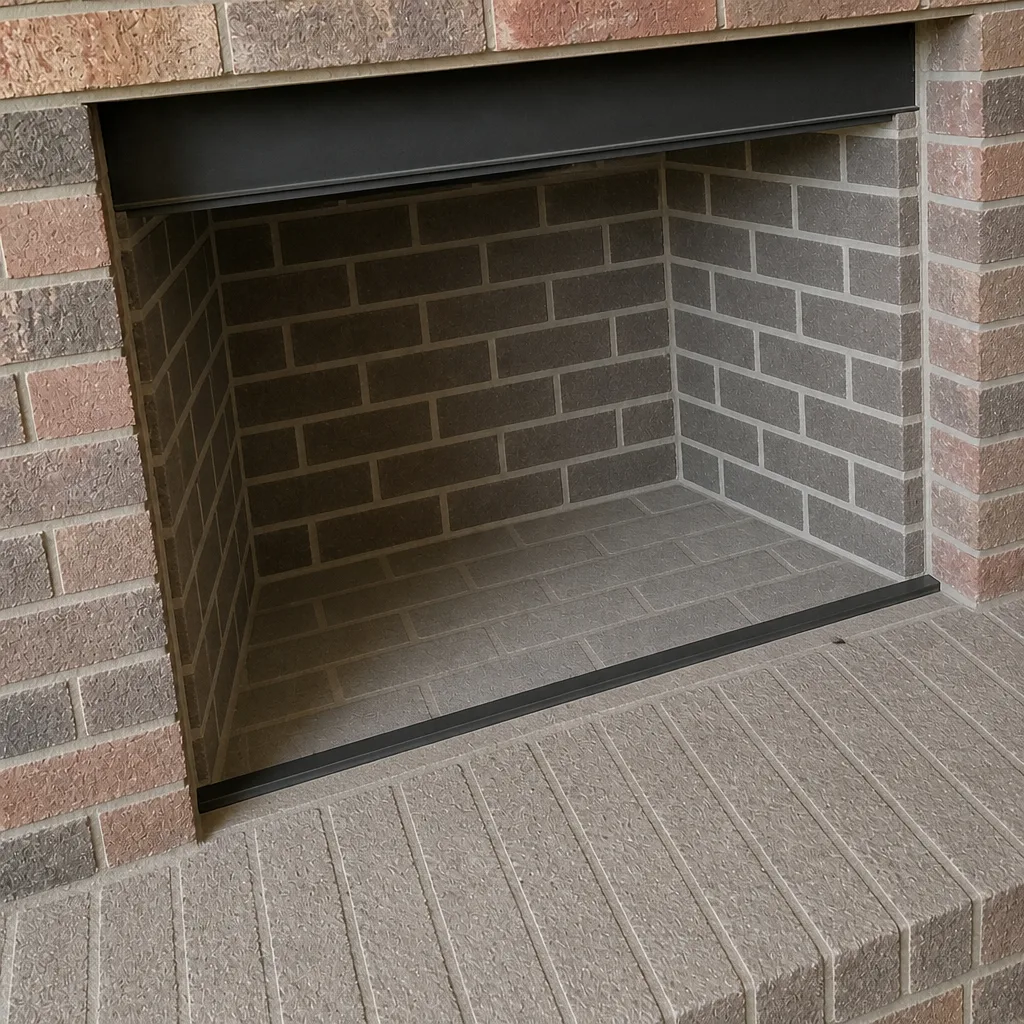
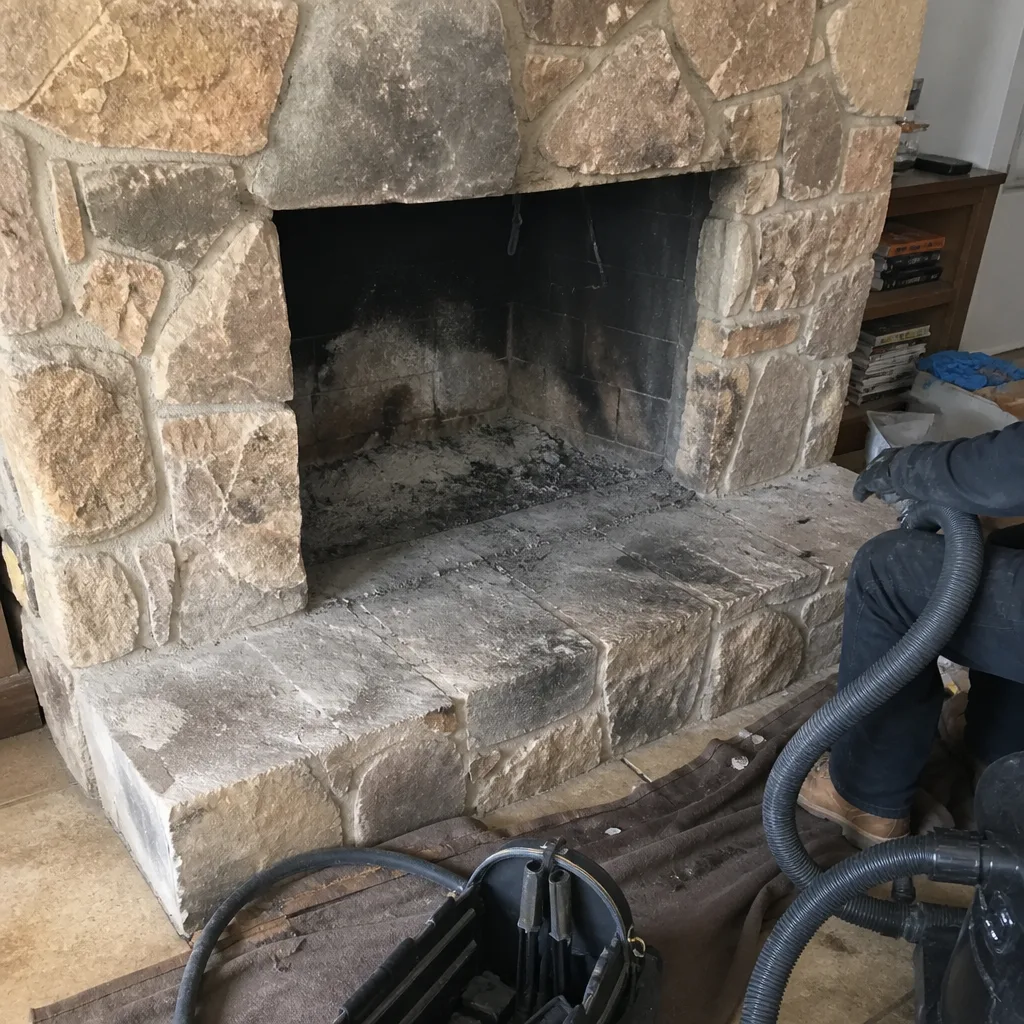
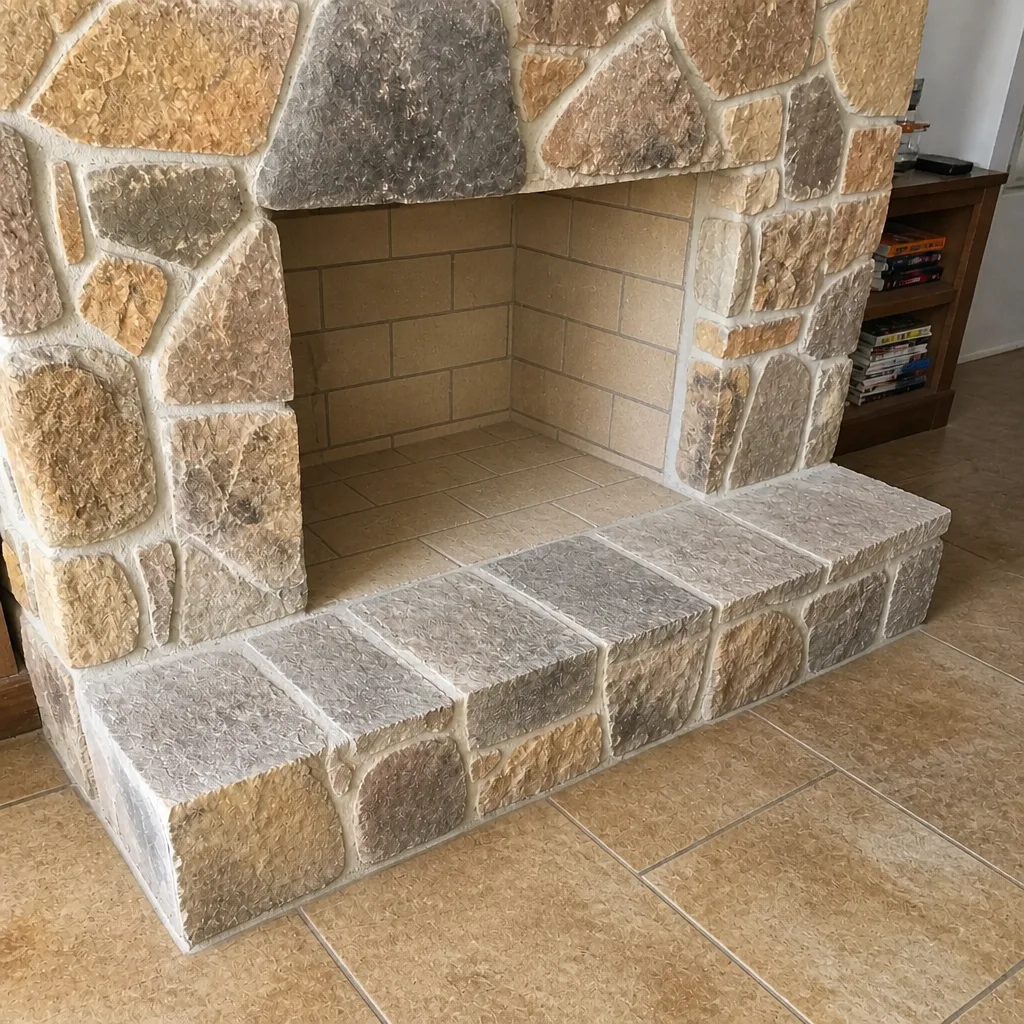
See the difference
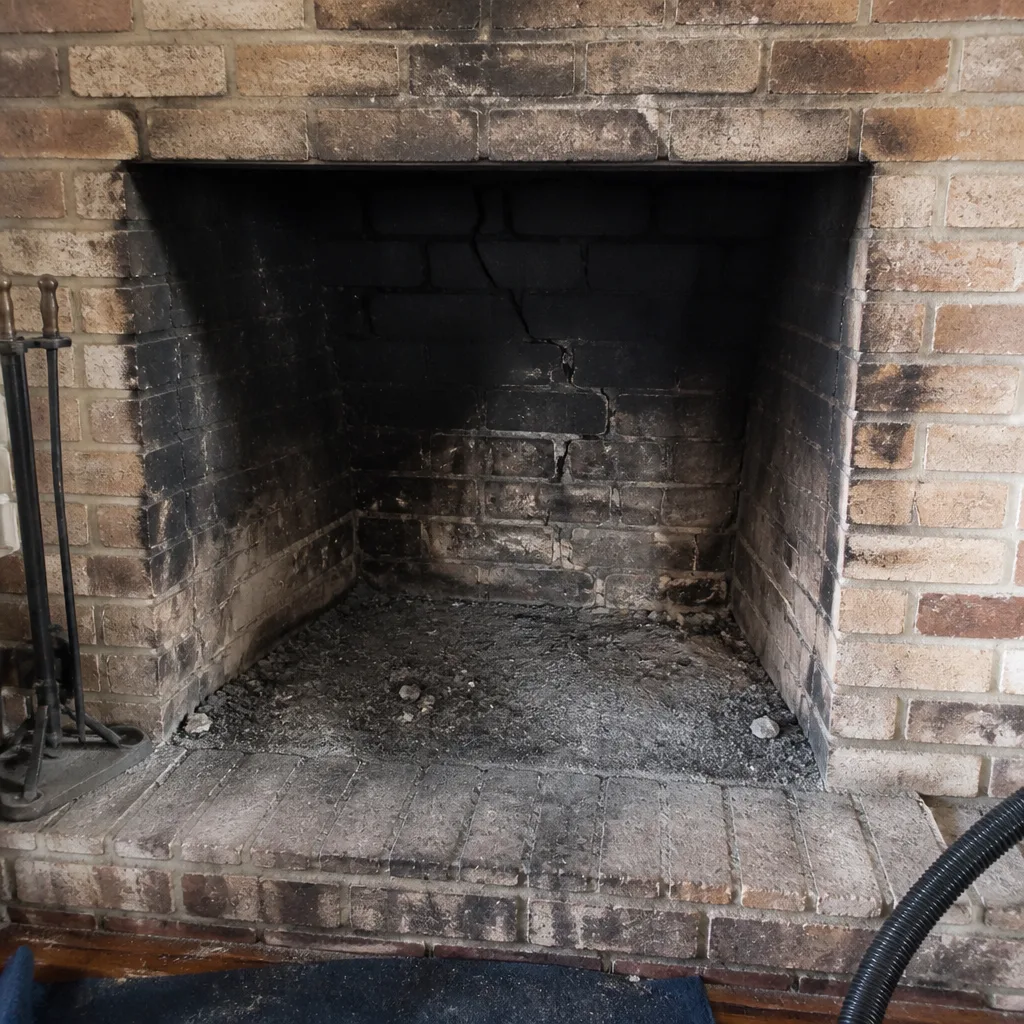 Before
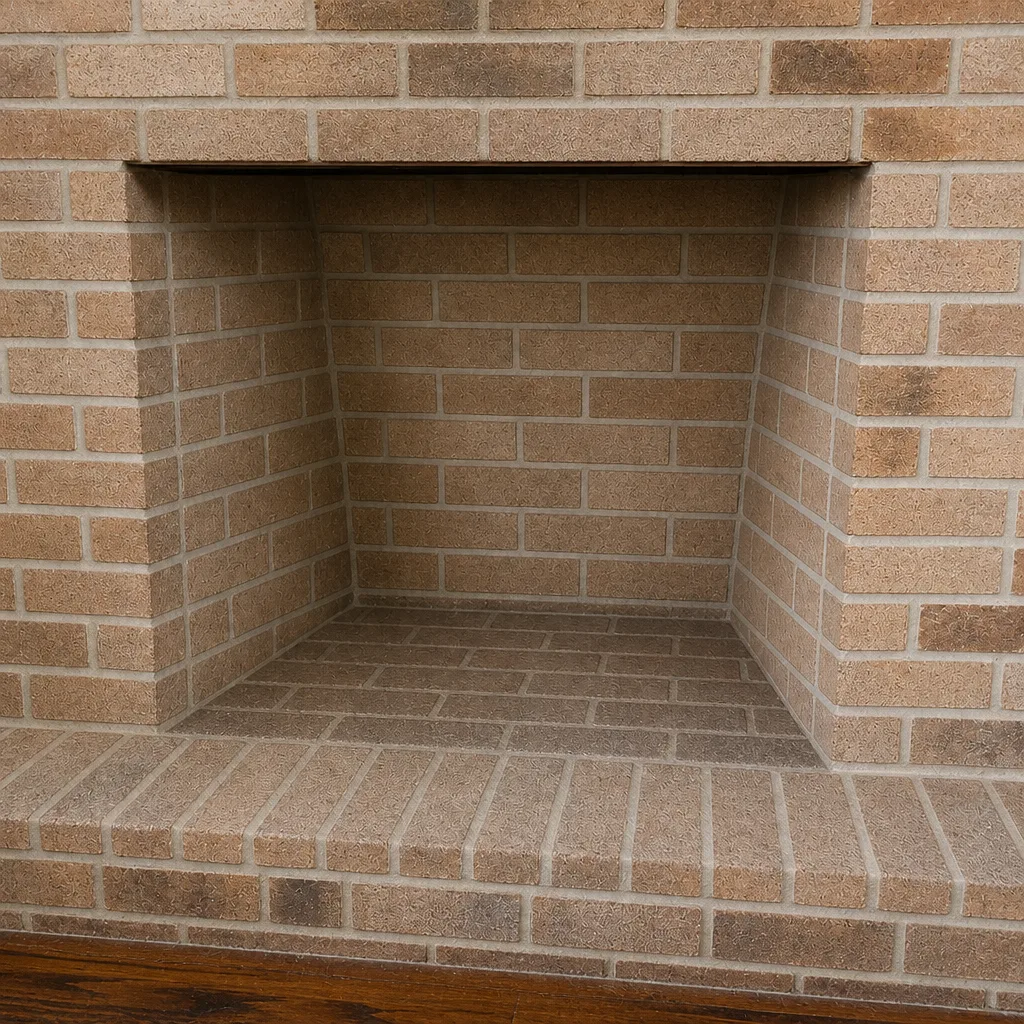 After
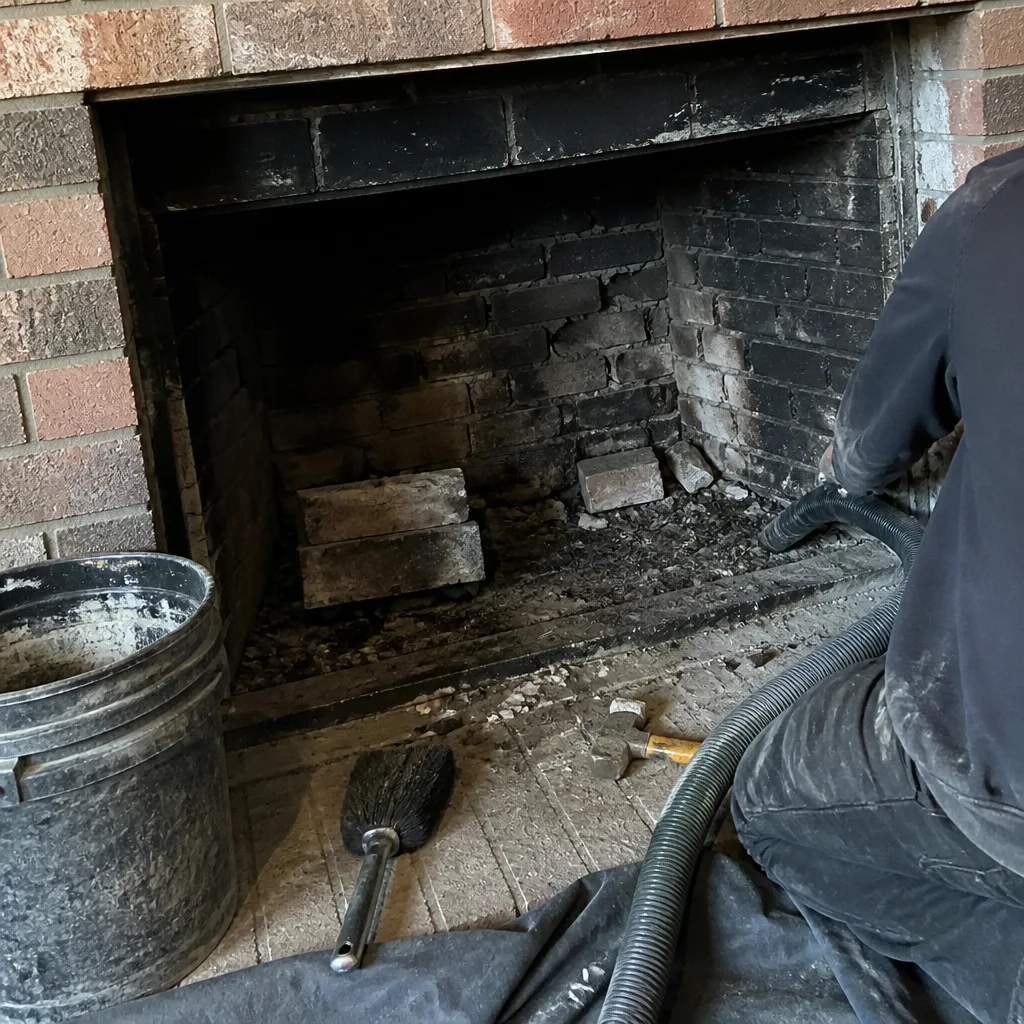 Before
 After
 Before
 After
When to Call a Professional
Call a professional if any of these are true: it’s been more than a year since the chimney was cleaned or inspected; you’ve had more than a few fires since the last cleaning; you notice a smoke smell in the house when the fireplace isn’t running; the damper is difficult to move; you can see creosote or soot at the firebox; the cap or crown looks damaged from the ground; or another contractor has given you a repair report and you want a second look before agreeing. Those last two overlap more often than people expect – a repair report with no photos is worth a second opinion before you commit to major work.
Chimney Sweep Amarillo offers free estimates in Amarillo – call (888) 527-6071. We answer 24/7, with fast dispatch from 7am to 7pm, Sunday through Friday. If you’ve had a chimney repair quote from another company and want the findings checked against the flue itself, we can do the inspection and the fix in the same visit.
Frequently Asked Questions
A complete chimney cleaning in Amarillo typically runs $180 to $400, and that includes a full sweep plus a Level 1 inspection with photographic findings. Cleaning-only quotes often come in under $175 but exclude the inspection, which is the number that matters for safety. The written estimate sets the final price before any work begins. Call (888) 527-6071 for an exact quote – estimates are free.
Not always, and that’s the point. A liner that is cracked, spalled, or has gaps at the joints needs attention, but HeatShield resurfacing can restore a deteriorated but intact liner without the cost of a full reline. A full DuraFlex reline is the right answer when the liner is beyond resurfacing or when the configuration requires a new system. What you should never accept is a liner recommendation without photos of the liner itself. We show the findings before we quote the fix.
Once a year for a regularly used wood fireplace, and at least once a year for the inspection even if the sweep isn’t due. Light usage can stretch the sweep to every other year, but the inspection should happen annually because the findings aren’t visible from the firebox. If you can’t remember the last inspection, it’s time. Call (888) 527-6071 to book one.
Creosote accumulates on the inside of the flue, and at stage 3 it becomes a glazed, tar-like deposit that a standard brush won’t touch. That’s the deposit most closely associated with chimney fires, and it’s also the most expensive to remove – a chemical process rather than a simple sweep. A damaged flue from a prior season can also let combustion gases into the house. None of this is a reason to panic; it is a reason to get the annual inspection done and act on what it shows.
Because they aren’t quoting the same job. The $89 quote usually covers a brush-down only. The $350 quote covers the sweep, the inspection, the photographic findings, and the written report. The second one protects you from finding a defect you didn’t know about after another season of use. If you want the comparison to be honest, ask each provider to itemize the inspection separately.
That’s the right question to ask, and the answer is that recommendations should come with camera or photographic evidence you can look at yourself. Nothing we quote is based on a guess about the flue. And when work can safely wait, a straight answer is that it can wait – a crown that needs repair isn’t the same urgency as a flue with gaps at the joints. Call (888) 527-6071 for a free estimate, and ask for the findings in writing.
The Bottom Line
The chimney cleaning price you’re quoted in Amarillo is a reflection of scope more than skill. A cleaning-only quote stops at the brush-down. A complete job covers the sweep, the inspection, and the findings in writing, and that’s the quote that prevents a second visit and a second charge. Expect a complete cleaning to fall in the $180 to $400 range, with liner, crown, cap, or damper findings priced as separate line items after inspection. Read the quote, ask for photos, and insist on the written estimate before work starts. The cheapest quote is almost never the lowest cost.
Contact
For a chimney sweep, inspection, or repair across the Amarillo area, call (888) 527-6071. We answer 24/7, with fast dispatch from 7am to 7pm, Sunday through Friday. Estimates are free, and the written estimate sets the final price. Our technicians have up to 15 years of experience, and we work with professional-grade parts from DuraFlex, HeatShield, Copperfield, Gelco, Olympia Chimney, and Famco, so cleanup, repair, and prevention all happen on one call. Whether you need a routine Chimney Sweep Amarillo visit or a second look at a repair report, we’ll give you a straight answer about what needs doing now and what can safely wait.
Written by the team at Chimney Sweep Amarillo.