
Last updated November 16, 2026
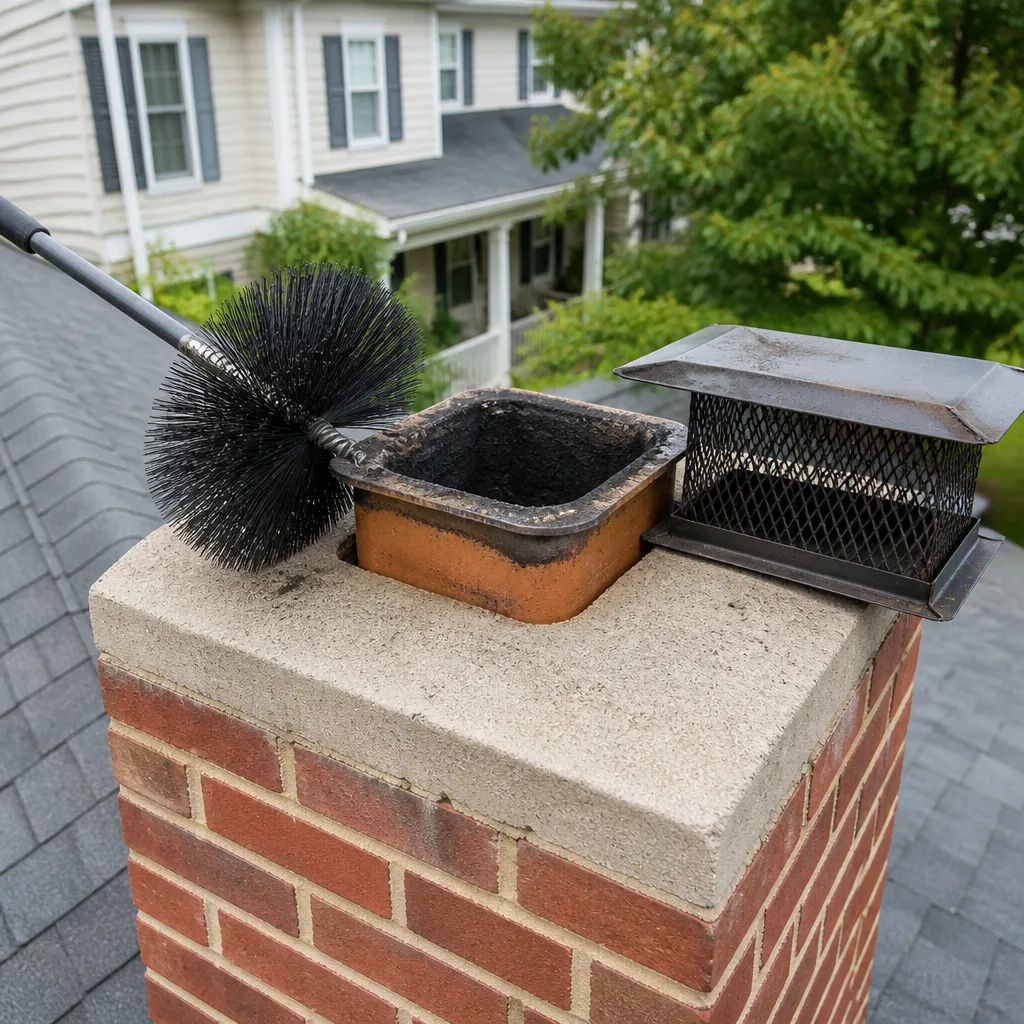 Sweep & inspection
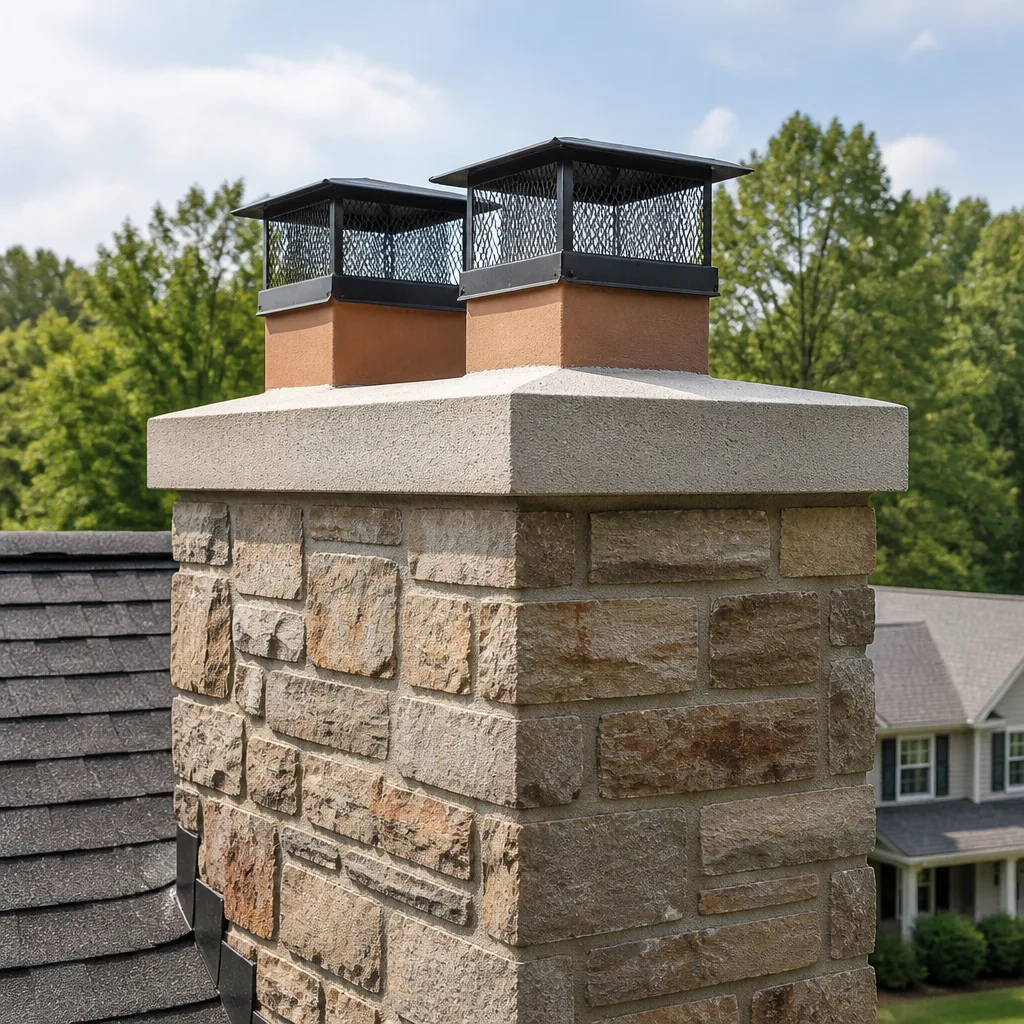 Caps & crowns
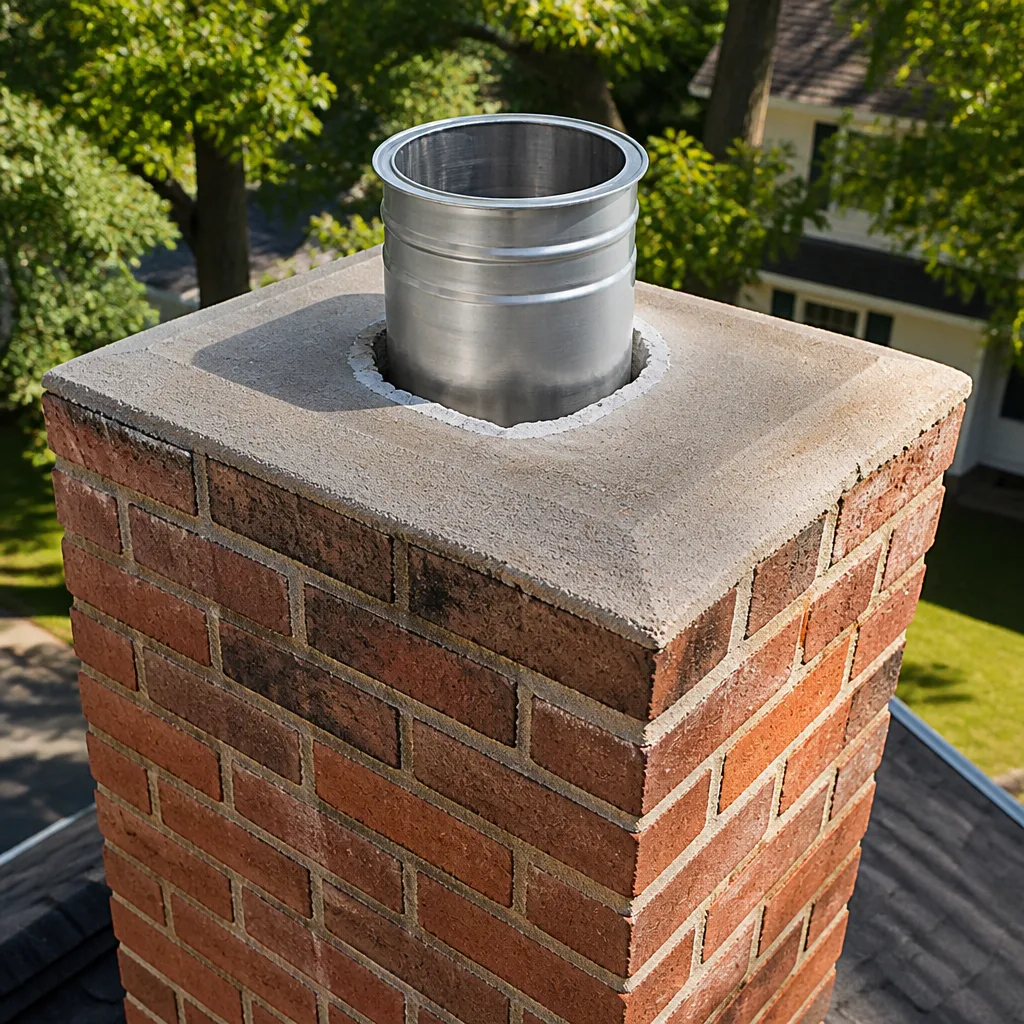 Flue relining
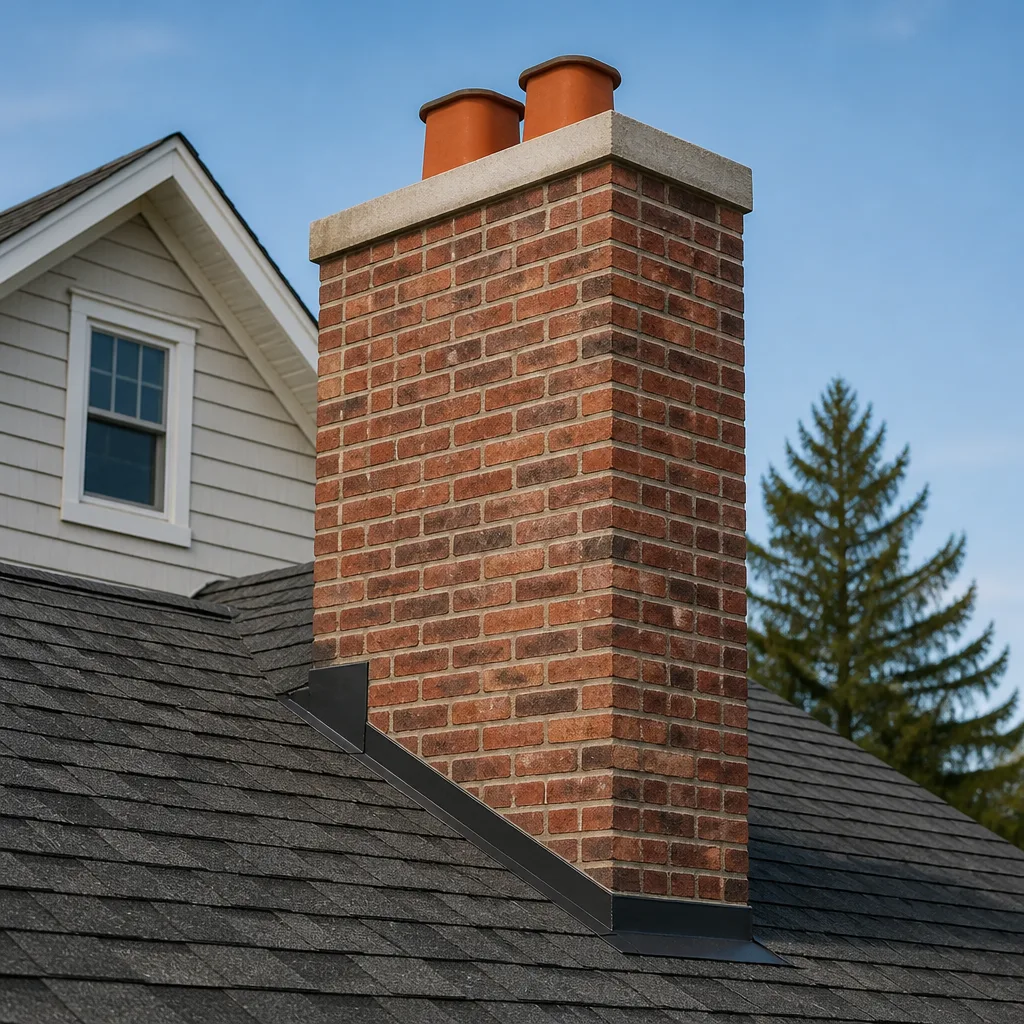 Masonry repair
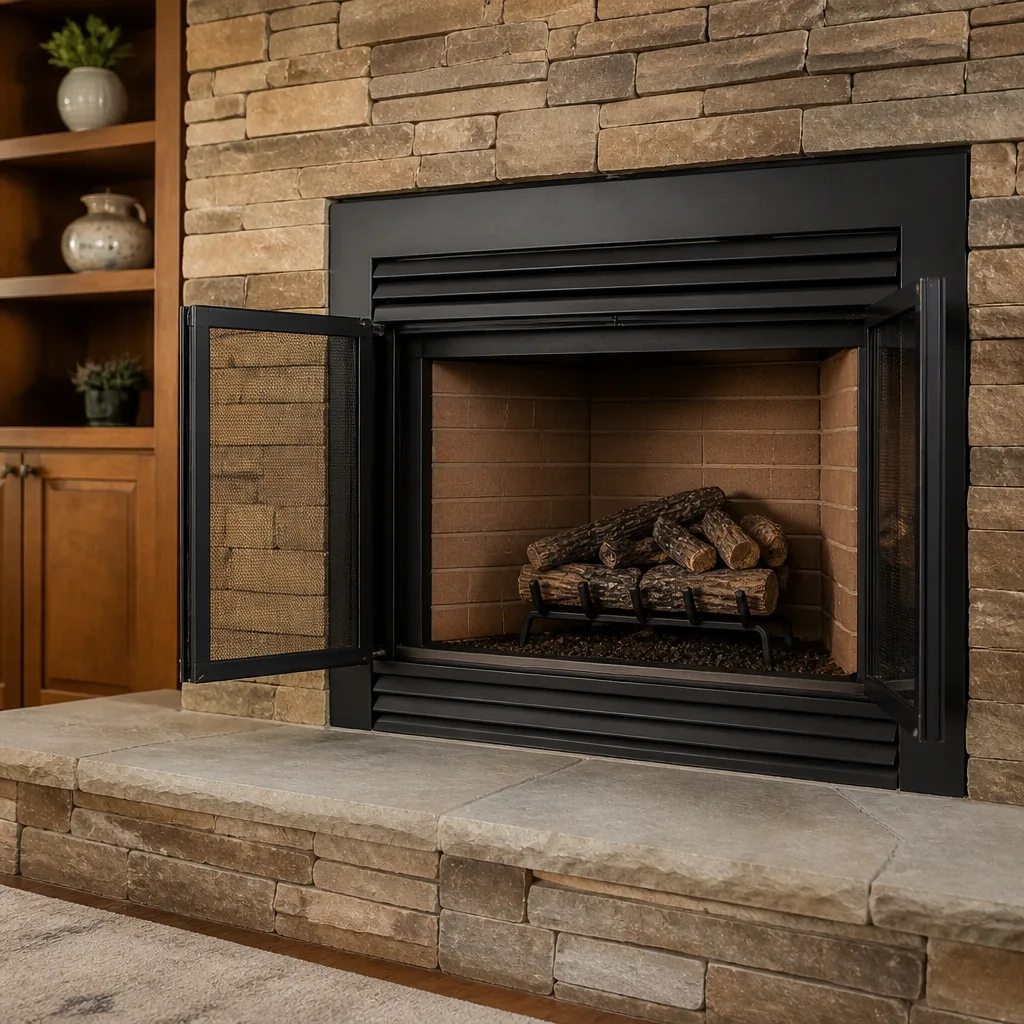 Gas fireplace service
Level 1 sweep and inspection to the NFPA 211 annual standard - flue, crown, cap, and flashing checked and photographed
Chimney sweep logs do not sweep chimneys. They loosen some creosote - which then falls where a brush and vacuum still have to collect it.
Chimney Cleaning Warning Signs: An Amarillo Homeowner’s Reference Guide
Most homeowners call us after the damage is done. Smoke backing into the room, a crack they can see from the driveway, or a chimney fire they didn’t notice until it was over. A chimney fire can reach 2,000°F and burn out in less than 30 seconds, and many Amarillo homeowners never realize one happened until we open the flue and find the scarred masonry and glazed creosote it left behind. The signals that predict those events are quiet, specific, and show up weeks or months ahead. This guide catalogs them in plain language so you can tell the difference between normal and overdue.
Quick Answer
The main warning signs that a chimney needs cleaning are a strong smoky or campfire smell inside the house, black or glazed creosote buildup on the flue walls, smoke rolling into the room, soot falling back onto the hearth, and loose or crumbling mortar visible outside. If you see or smell any of these in Amarillo, stop burning and book a sweep before the next fire. One sign on its own is a routine call. Several together, or a smell of burning while no fire is lit, means stop now and call us at (888) 527-6071.
Styles & brands we work with
- Sweep & inspection
- Caps & crowns
- Flue relining
- Masonry repair
- Gas fireplace service
Table of Contents
- The Smell Test: Why a Campfire Odor in July Matters
- First, Second, and Third-Degree Creosote: Why Only One Is Easy
- Inside the House: Warning Signs You Can See and Feel
- Outside the House: Crown, Liner, and Masonry Warnings
- Normal Fireplace Sounds vs. Blockage and Draft Failure
- Routine Sweep or Emergency Call: How to Tell the Difference
- How Often to Book a Sweep in Amarillo
- What a Sweep and Inspection Cost
The Smell Test: Why a Campfire Odor in July Matters
Walking into your living room on a hot July afternoon and smelling a campfire is one of the clearest signs your chimney is overdue. No fire is lit, the windows are closed, and the smell is coming from the firebox. That smell is creosote and soot that have built up on the flue walls, warmed by the sun-baked masonry and given off as a vapor. The hotter the day, the stronger it gets.
Across the Texas Panhandle, summer afternoons routinely push into triple digits, and the intense dry heat that builds through the day is exactly what turns a chimney full of stored creosote into a smell. A chimney that smells like a campfire in Amarillo in July is a chimney telling you it’s full. It’s also a chimney that hasn’t had airflow moving through it since spring.
Other smell-based signals worth taking seriously:
- A sharp, acrid, or tarry smell rather than a plain smoky one. That usually means heavier creosote, not just ash dust.
- A smell only when the wind blows from a certain direction. This points to a draft problem or a missing or damaged cap.
- A smell after a rain or a dust storm. Water or grit getting in through an open or damaged crown.
- A smell that fades after you open a window. That’s pressure, not destiny. It means your house is drawing air down the flue instead of up. Worth a look.
- Nobody’s burned wood in months and the smell is still there. This is the loudest version. It means creosote is concentrated enough to smell cold, and it should be checked before your first autumn fire.
What you should never do is treat the smell with an air freshener and move on. The odor is a symptom. The cause is inside the flue, and only a sweep and a camera inspection can tell you how bad it is. If you want the investigation handled by one company that will also do the repairs, that’s what we do. Start with a chimney sweep and let the findings dictate next steps.
First, Second, and Third-Degree Creosote: Why Only One Is Easy
Not all creosote is the same, and this is the gap most homeowners never get told about. Chimney sweeps generally describe three grades of creosote, and only the first one is easy to remove. The others can take resurfacing or relining to solve. Knowing which one you’re looking at changes the whole conversation about what a cleaning involves.
First-degree creosote
This is the dusty, flaky, soot-rich layer that brushes off easily. It’s what you’ll see after a season of regular fires. A standard sweep handles it with brushes and a good vacuum. If this is all that’s in your flue, your chimney is in good shape and a routine cleaning does the job.
Second-degree creosote
This is the flaky, crusty, and sometimes tar-like layer that needs scraping and mechanical agitation, not just brushing. It tends to form when a chimney has burned wood with limited air supply or wet wood, which is common in Amarillo when people burn what’s handy rather than what’s seasoned. A sweep with the right tools can remove second-degree creosote, but it takes longer and often reveals damage underneath.
Third-degree creosote
This is the glazed, hard, shiny coating that looks almost like black glass or tar. It’s the grade most associated with chimney fires and it does not come off with a brush. In our experience, third-degree creosote is where a lot of “you need a new liner” conversations happen, and it’s also where HeatShield resurfacing earns its keep. HeatShield is a resurfacing system that restores the flue interior without pulling the whole liner, which is a lower-cost path than a full reline when the structure is otherwise sound.
How to tell which grade you’re dealing with without climbing up there:
- Look through the damper with a flashlight. Flaky gray-black dust is usually first degree. Crusty buildup is second. If the walls look shiny and black, that’s third, and it’s a call.
- Notice how often you burn. Frequent fires with limited airflow push you toward heavier grades faster.
- Notice your wood. Wet, green, or mixed wood drives creosote buildup. Seasoned hardwood burns cleaner.
- Book a camera inspection. A good inspection with a camera report tells you exactly which grade is where. That’s the only reliable answer.
If you’ve been told you need thousands of dollars of liner work, you’re allowed to ask for camera evidence. Any chimney professional worth hiring will walk you through the photos before writing a quote. If they can’t, walk away and get a second opinion.
Inside the House: Warning Signs You Can See and Feel
Most early warning signs live in the room where you burn, not up on the roof. The chimney is a system, and when it stops drafting cleanly, the house tells you. Watch for these:
- Smoke rolling into the room when you open the damper. Usually a draft or blockage problem, and sometimes a sign the flue is narrowed by creosote.
- Soot falling onto the hearth or a black film on nearby furniture. That’s backdraft, and it means combustion byproducts aren’t leaving the way they should.
- A whistling or hissing sound at the top of the firebox. Air rushing through a restriction.
- Any smell of gas or exhaust in the room from a gas appliance. This is a stop-everything sign. Carbon monoxide has no smell, but the exhaust it rides with often does. Shut the appliance off, open a window, and call.
- A dull or uneven burn. If fires take longer to catch, smoke more, or refuse to draw, the chimney is fighting for airflow.
- A haze in the room that clears when you open a door. Your house is depressurizing and pulling exhaust back down the flue. Common in tightly sealed homes in Amarillo that run kitchen and bathroom fans with the windows shut.
- Soot on the damper or the firebox walls that wasn’t there last season. Something has changed. Either your burning habits or the flue.
The visible-inside signs are useful because they show up early. A black film on the fireplace surround doesn’t happen overnight, and neither does soot on the hearth. When you see them, treat them as a scheduling signal rather than a scramble. Book a sweep, ask for a camera inspection and a photo report, and let the findings steer the next step. If a repair does turn out to be needed, it’s better to know it in June than to discover it in December with guests arriving. For the repair side of the equation, visit our chimney repair page and we’ll walk you through what we handle.
Outside the House: Crown, Liner, and Masonry Warnings
Some of the most useful information about your chimney is visible from the ground with a pair of binoculars or from a safe angle on the lawn. You don’t need to climb. Don’t climb. But do look, especially after the windy spring season that Amarillo is famous for.
What to check on the crown
The crown is the concrete cap at the top of the chimney that sheds water away from the flue. When it cracks, water gets in, and water is the single most destructive thing that reaches a chimney. Look for:
- Cracks or spalling on the concrete crown.
- Moss, dark staining, or missing chunks.
- A crown that overhangs or has pulled away from the flue tile.
- Water pooling or staining where the flue tile meets the crown.
What to check around the flue and masonry
- A missing or damaged cap. A proper cap keeps rain, animals, and birds out. A missing cap is an open door for all three, and Gelco and Famco cap components are the kind we install to close that door.
- Loose, crumbling, or missing mortar between the bricks. Spalling brick or a white, crusty stain on the chimney face (efflorescence) points to moisture getting in and moving through.
- A chimney that leans. This is rare but serious. If you see a lean, get off the roof and call.
- Dark streaks running down the exterior. Some of that is weather. Some of it is exhaust that’s escaping where it shouldn’t.
- Visible gaps around the liner flue tile. If the top flue tile is cracked or shifted, water is getting into the liner. This is a camera-inspection situation.
The reason we care so much about these exterior signals is that Amarillo sits on high, dry, windy ground. The sun and wind work on the crown and mortar every day. A crown that survives one Panhandle summer rarely survives the next one without at least checking it. Once water finds a crack, the freeze-and-thaw of a cold night matters less than the simple fact that water and masonry don’t mix. If you’re seeing cracks, crumbling, or a missing cap, it’s a same-week call, not a same-day one, unless conditions are worse than what you can see.
Normal Fireplace Sounds vs. Blockage and Draft Failure
A fireplace is supposed to make noise. Crackling, popping, and the soft roar of a healthy fire are all fine. What matters is the sound of the chimney, not the sound of the fire. Learn to tell the two apart and you’ll spot a problem early.
Sounds that are normal
- Steady crackling and popping from the wood.
- A soft, continuous roar when the fire is well-established and the damper is open.
- Occasional ticking or settling from the metal firebox as it heats and cools.
- A gentle whoosh when you first open the damper on a cold morning.
Sounds that deserve a look
- A whistling or high-pitched hiss. Air moving through a restriction.
- A hollow, echoing roar that’s louder than usual. A blocked or overly hot flue.
- Repeating thumps or scratching from inside the flue. Birds or animals. Cap it.
- A rattle or clatter when the wind blows. Loose liner components or a damaged cap.
- Total silence at the top of a fire that’s clearly burning. That’s a sign exhaust isn’t moving, and it’s an immediate stop-burning situation.
- A loud pop or bang from inside the flue during a fire. Stop adding wood and step outside to check for smoke or burning debris at the top. If anything is coming out of the chimney, call the fire department, not a sweep.
If you hear something you don’t recognize and the fire is still burning, close the damper, let it settle, and call us before you light the next one. We answer 24/7. A call outside dispatch hours is booked into the next opening, Sunday through Friday, 7am to 7pm.
Routine Sweep or Emergency Call: How to Tell the Difference
Most warning signs are a scheduling question, not an emergency. A few are genuinely urgent, and knowing which is which saves you a wasted call and keeps your family safe. Here’s the split we use.
Routine call: book a sweep and inspection
- Campfire smell in the house on a warm day.
- Soot or a black film on the fireplace surround, without active smoke problems.
- Visible creosote, either flaky or crusty, in the flue.
- A missing or damaged cap with no water damage yet.
- Small cracks in the crown.
- Loose mortar on the chimney exterior.
- A whistling or hissing fireplace that still draws.
- Routine annual inspection due.
Emergency call: stop burning, call immediately
- Any sign of an active chimney fire. Loud roaring, a shaking chimney, sparks or burning debris from the top, or a glowing red flue.
- Smoke filling the room while the fire is burning. Shut the damper if you can do so safely, get everyone out, and call the fire department first.
- Any gas smell or suspected carbon monoxide exposure. Headache, dizziness, nausea, or confusion with a gas appliance running. Get outside and call emergency services.
- A sudden structural collapse or large pieces of masonry falling. Stay clear and call.
- A blocked flue during winter. Stop burning. A blocked flue can force carbon monoxide into the room.
Here’s a thing worth saying plainly: an emergency call to a sweep is not a substitute for a fire department call. If the chimney is on fire, call 911 first. Sweeps clean, inspect, and repair. Once the fire is out and the house is safe, we’re the ones to call for the repair conversation.
Our dispatch covers Sunday through Friday, 7am to 7pm. If your house is in Amarillo and you’re not sure which bucket your sign falls into, call us. We’ll walk you through it honestly over the phone.
How Often to Book a Sweep in Amarillo
The short answer: sweep annually if you burn regularly, and inspect annually even if you don’t. The longer answer depends on how you use the fireplace and the conditions in your home. Here’s how we think about scheduling in the Panhandle.
First, count your fires. A chimney professional’s rule of thumb is roughly one sweep per cord of wood burned. If you burn a cord a year, you want one sweep a year. If you burn three, you want more. If you burn a couple of fires at Christmas, you can stretch it, but you still want a camera inspection to confirm nothing’s changed.
Second, consider the season. Amarillo gets hot in the summer and cold enough in the winter that the fireplace earns its keep. The low-burn window is spring and early summer, which makes it the best time to schedule. Booking in May means a report in hand before your first fall fire. Booking in November means a longer wait and a colder scramble.
Third, watch for the regional signals:
- Wind. Panhandle high-wind events push debris and grit down uncapped flues and work on crowns and caps. A quick look after major wind is smart.
- Dust storms. A chimney draws in grit when the flue is open. That grit collects in the firebox and the smoke shelf.
- Dry, hot summers. The same heat that makes a creosote smell obvious also dries and cracks the crown.
- Seasoned wood. Wood that wasn’t seasoned properly burns dirtier. If you’re buying whatever’s available, expect heavier creosote and shorter intervals.
The annual sweep and inspection pairing is our default recommendation for Amarillo homes. The sweep keeps the flue clear, the inspection tells you what you can’t see, and the photo report lets you decide with the evidence in front of you. That’s what we mean when we say your chimney works in conditions most contractors never think about, and we prepare it for all of them. If it’s time to book, it’s time to book a chimney sweep rather than wait for a warning sign to become a fire.
What a Sweep and Inspection Cost
We don’t quote prices by neighborhood or by how big the house is. The written estimate is the number that counts, and it’s set per job based on what we actually find. What we will tell you up front is that the estimate is free, and a camera inspection and photo report are part of the service, so you can see what the sweep finds rather than take it on faith.
What the estimate typically covers:
- Sweeping the flue. Brushes, rods, and a HEPA vacuum. The amount of time depends on the creosote grade and the flue’s condition.
- A chimney inspection. We look at the firebox, damper, smoke chamber, flue, crown, cap, and exterior masonry.
- A camera inspection and photo report. This is the evidence. You see the inside of your flue.
- A written estimate for any repair. Liner work, crown repair, cap replacement, damper repair. Free, and separate from the sweep.
Repair pricing is where the surprises happen in this trade, so a word on cost structure. Liner resurfacing with HeatShield is usually significantly less than a full reline, which is why we use it when the structure is sound. A new liner of DuraFlex or Olympia Chimney is a bigger job and the price reflects it. Cap and venting components from Gelco and Famco are typical additions. None of that gets decided until the camera shows what’s actually going on.
If another contractor hands you a four-figure quote for liner work with no photos attached, ask for the evidence. A reputable chimney professional will show it. If they won’t, get a second opinion. That’s not a sales tactic on our end. It’s a basic standard of practice in the trade.
Common Mistakes to Avoid
- Waiting for a dramatic sign. The signs that actually prevent chimney fires are quiet, like a smell or a bit of soot. Waiting for smoke in the room is waiting too long.
- Burning anything that isn’t seasoned hardwood. Green wood, cardboard, wrapping paper, and treated lumber all make more creosote than a good piece of seasoned oak. In Amarillo’s dry climate, take advantage of good wood and stop feeding the fire a mix.
- Using a box of creosote powder in place of a sweep. Creosote-log products are sold as maintenance aids and cannot remove third-degree creosote. They don’t replace a camera inspection and a real sweep.
- Ignoring the exterior. A cracked crown and a missing cap are cheap fixes now and expensive ones after a few seasons of moisture. Look up at your chimney occasionally.
- Skipping the inspection because the sweep “looked fine.” The sweep removes the buildup. The inspection tells you what the buildup was hiding. They’re two different jobs.
- Accepting a repair quote without a camera report. Ask to see the photos. A specialist will show you. If they don’t, get a second opinion.
- Running gas logs with no inspection. A gas appliance that hasn’t been checked can send carbon monoxide into the room. Have it inspected by a trained technician, not just adjusted for looks.
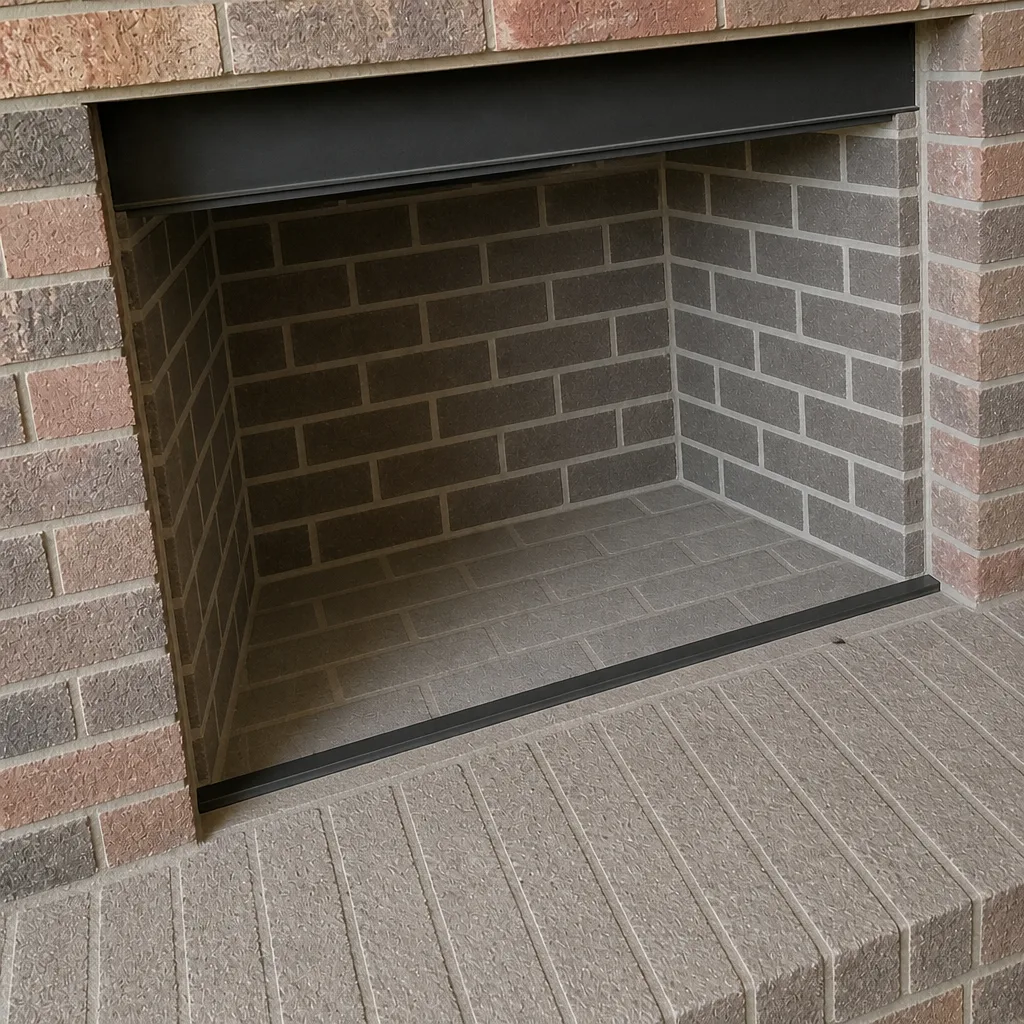
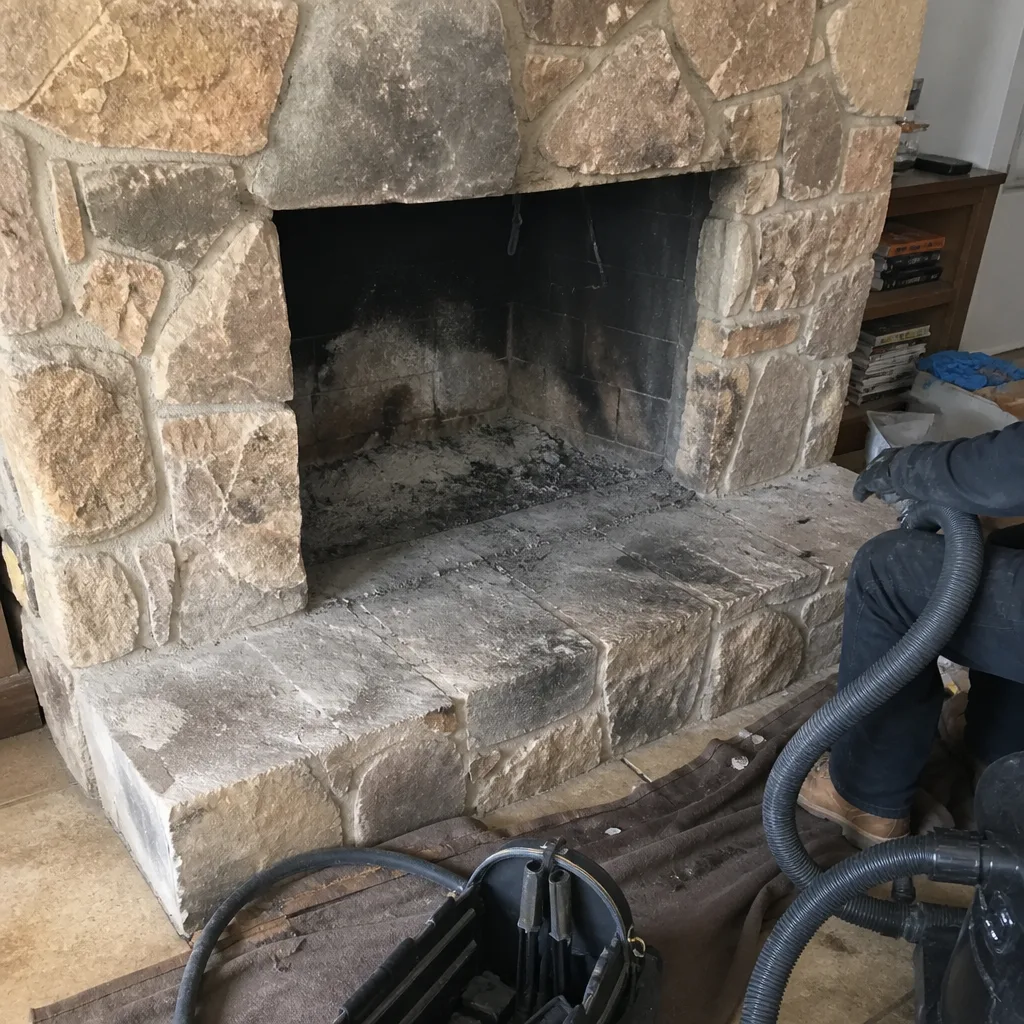
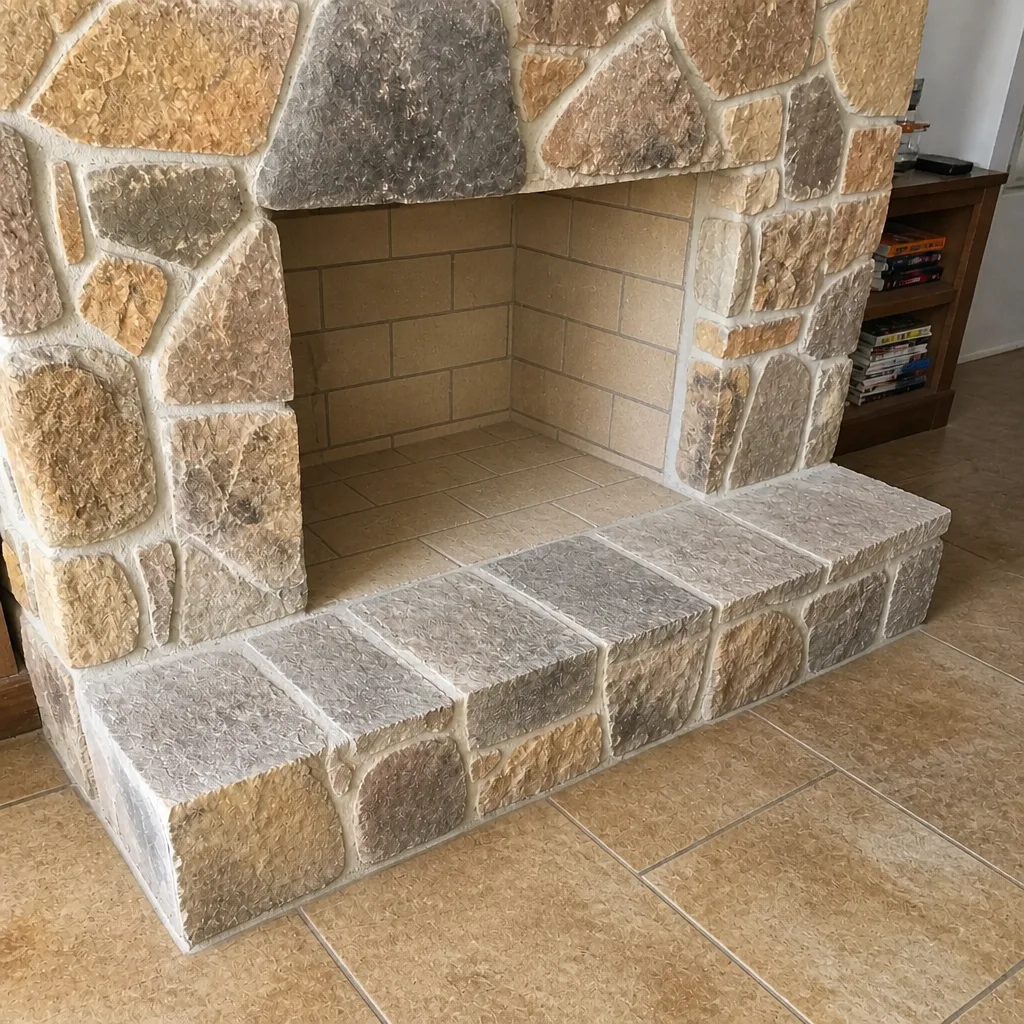
See the difference
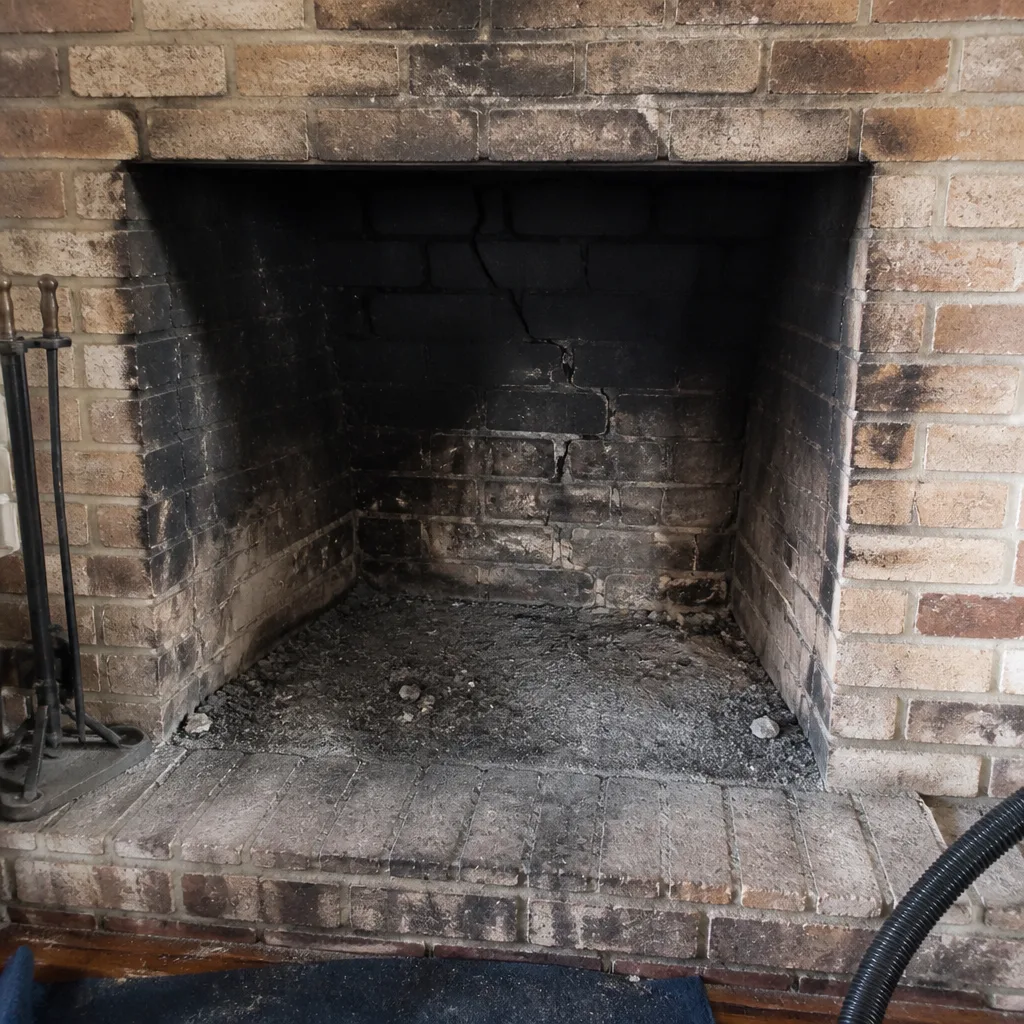 Before
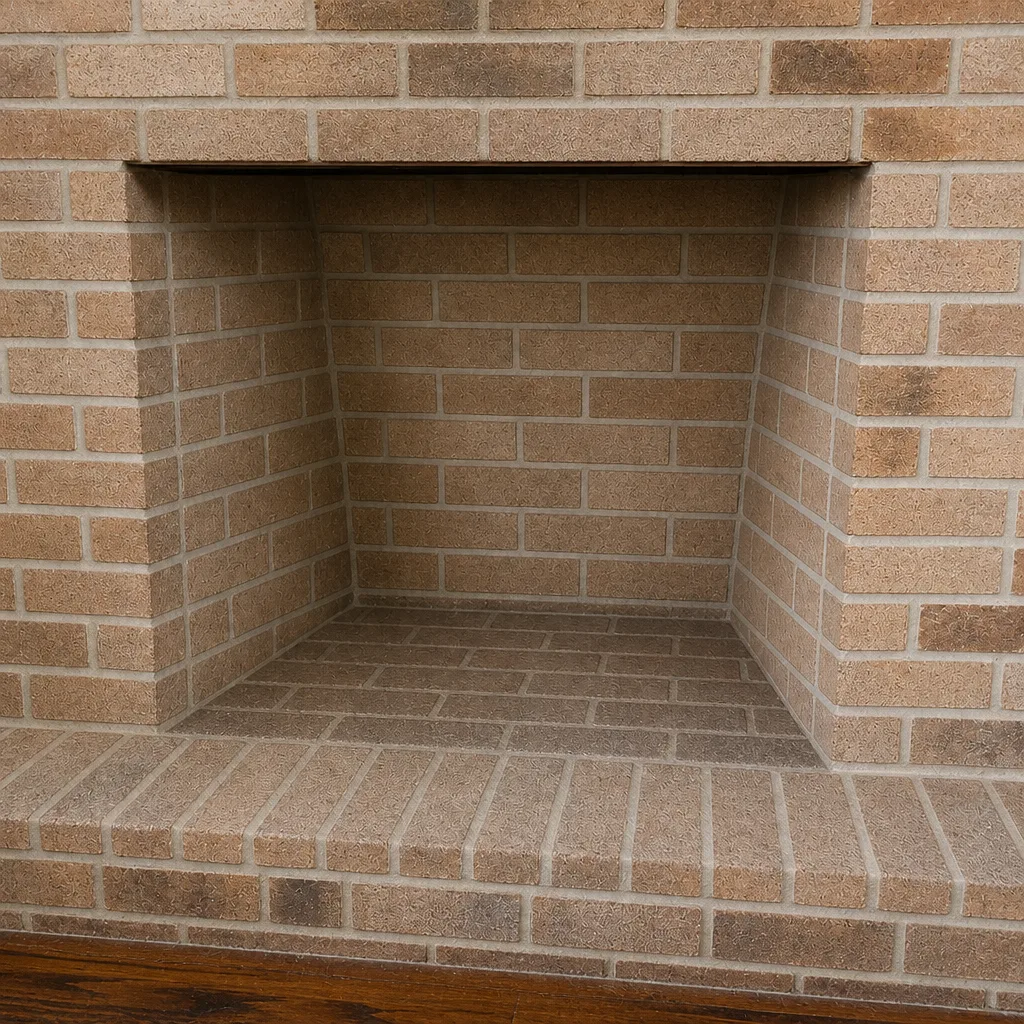 After
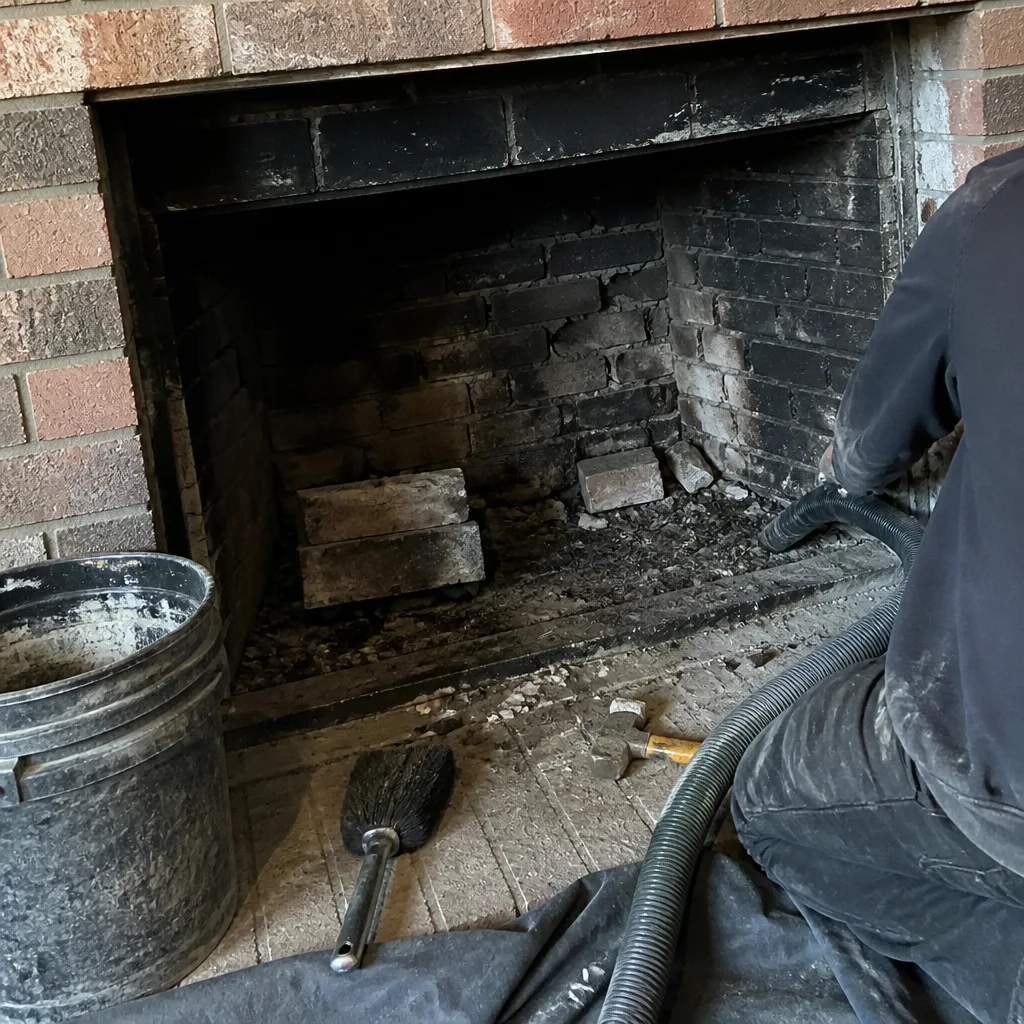 Before
 After
 Before
 After
When to Call a Professional
Call a chimney professional if you have any of the warning signs in this guide, or if it’s been more than a year since your last sweep and inspection. Call sooner if you smell a campfire in the house in summer, see smoke rolling into the room, find glazed creosote, or spot a missing cap or a cracked crown. Never climb on the roof yourself to investigate, and never run an appliance whose exhaust smells off. The five-minute call is a lot cheaper than the repair that follows. Chimney Sweep Amarillo offers free estimates in Amarillo. Call (888) 527-6071. We answer 24/7, with fast dispatch from 7am to 7pm, Sunday through Friday.
Frequently Asked Questions
The top warning signs are a campfire smell inside the house when no fire is burning, black or glazed creosote on the flue walls, smoke rolling into the room, soot falling onto the hearth, and loose mortar or a cracked crown outside. Any one is a scheduling signal. Several together, or any smell of gas with a gas appliance, is a stop-burning call. Call (888) 527-6071 for an exact quote. Estimates are free.
A campfire smell in July means creosote and soot have built up on the flue walls, and the hot masonry is baking it. Amarillo’s triple-digit summer afternoons make that smell stronger and more obvious. It’s a reliable sign the flue is overdue for a sweep. It’s not the only way to know, but it’s one of the clearest. Call (888) 527-6071 and we’ll book a sweep and an inspection with a camera report.
No. Creosote-log products are maintenance aids, not a substitute for a professional sweep. They can’t remove glazed third-degree creosote, and they don’t replace a camera inspection of the flue. A real sweep with the right tools, a HEPA vacuum, and a camera report is the only way to know what’s in your chimney. Call (888) 527-6071 if you’d like to skip the guessing and get a free estimate.
Signs include warped or discolored metal, cracked flue tiles, a “puffy” or honeycombed texture in the creosote, and a strong scorched smell in the firebox long after you last burned. A camera inspection shows these clearly. If you suspect a fire has happened, don’t burn again until you’ve had it inspected. Call (888) 527-6071 to book a camera inspection. Estimates are free.
It depends on the smell. A mild campfire smell when no fire is lit is a routine call. Smoke filling the room with a fire burning, or any gas smell with a gas appliance running, is an emergency – get outside and call the fire department first. For the routine version, call (888) 527-6071. We answer 24/7. A call outside dispatch hours is booked into the next opening, Sunday through Friday, 7am to 7pm.
We service gas and wood-burning chimneys and fireplaces, including the flue, damper, cap, and venting for gas appliances. A gas appliance with a bad draft or a blocked flue can send carbon monoxide into the home, which makes an inspection just as important as it is for wood. Call (888) 527-6071 to book. Free estimates. We are closed on Saturdays, with dispatch Sunday through Friday, 7am to 7pm.
The Bottom Line
A chimney doesn’t go from fine to dangerous without warning. It goes from a faint campfire smell in July to soot on the hearth to glazed creosote on the flue walls, and each of those is a chance to intervene before the fire. Learn the signs in this guide, look up at your chimney occasionally, and book a sweep and a camera inspection on an annual rhythm rather than when something goes wrong. If you’re in Amarillo and not sure where you stand, a free estimate and a photo report will tell you more than a guess ever will. Our technicians have up to 15 years of experience, we carry and install the brands chimney professionals trust, and inspection without repair capability is just paperwork. We do both. One call covers the sweep, the inspection, and the fix.
Contact
Ready to know what’s actually in your chimney? Call (888) 527-6071 for a free estimate. We answer 24/7. Fast dispatch from 7am to 7pm, Sunday through Friday. One call to Chimney Sweep Amarillo covers the sweep, the camera inspection, and any repair that comes out of it, and if the findings say the work can safely wait, we’ll tell you that too.
Written by the team at Chimney Sweep Amarillo.