
Last updated November 16, 2026
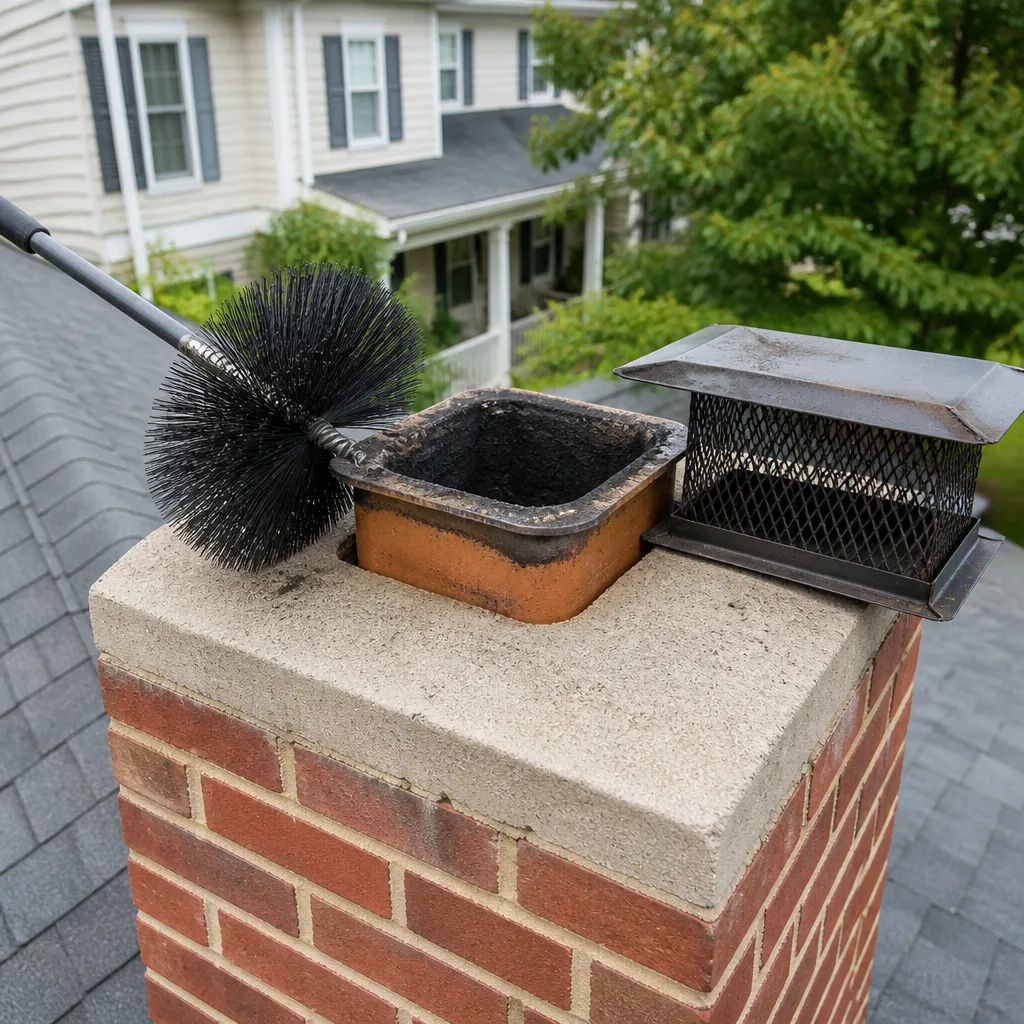 Sweep & inspection
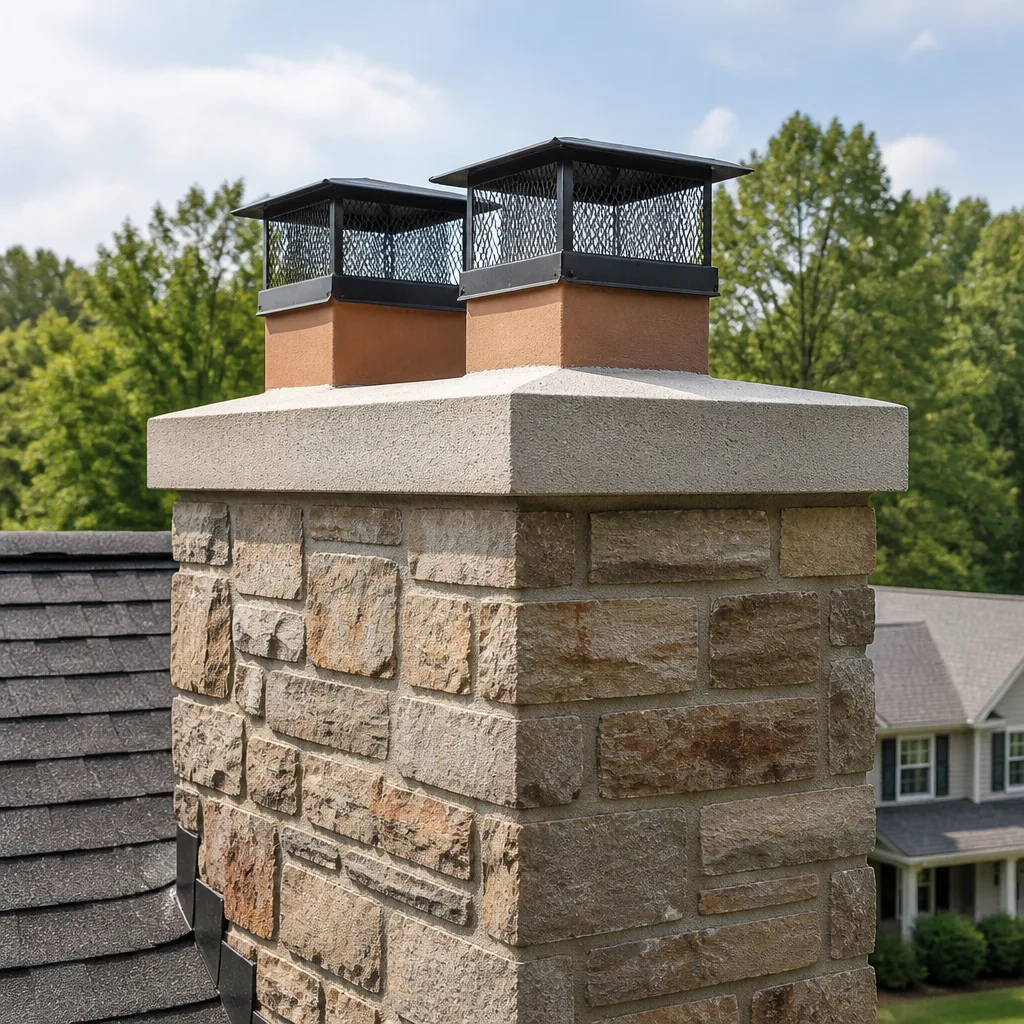 Caps & crowns
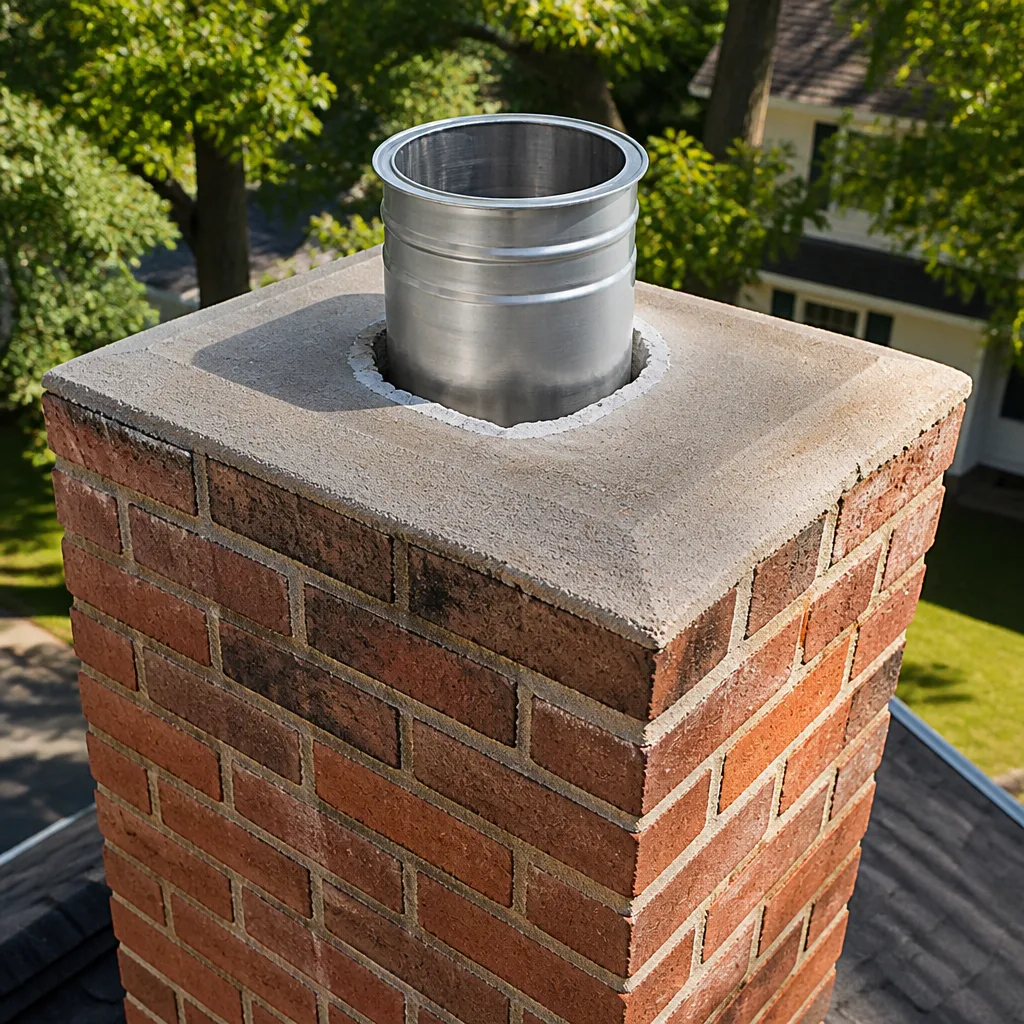 Flue relining
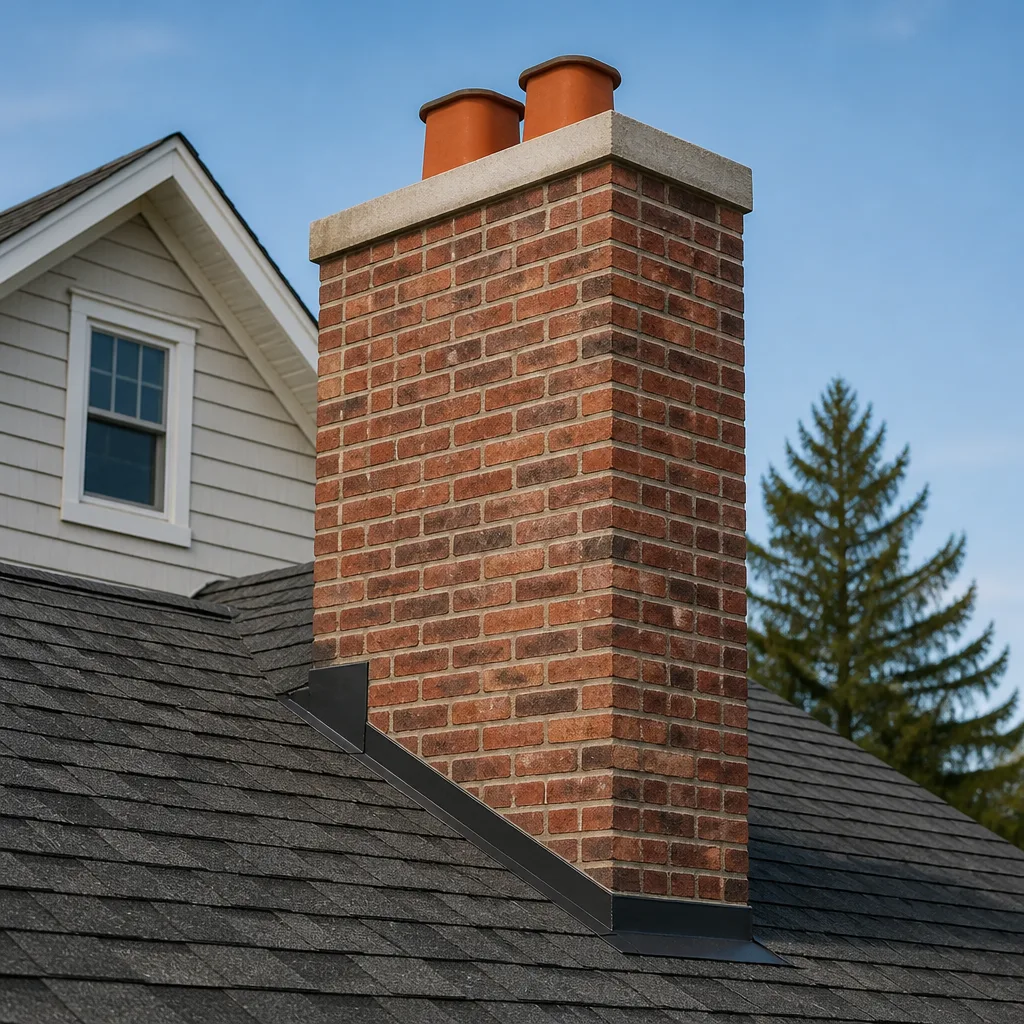 Masonry repair
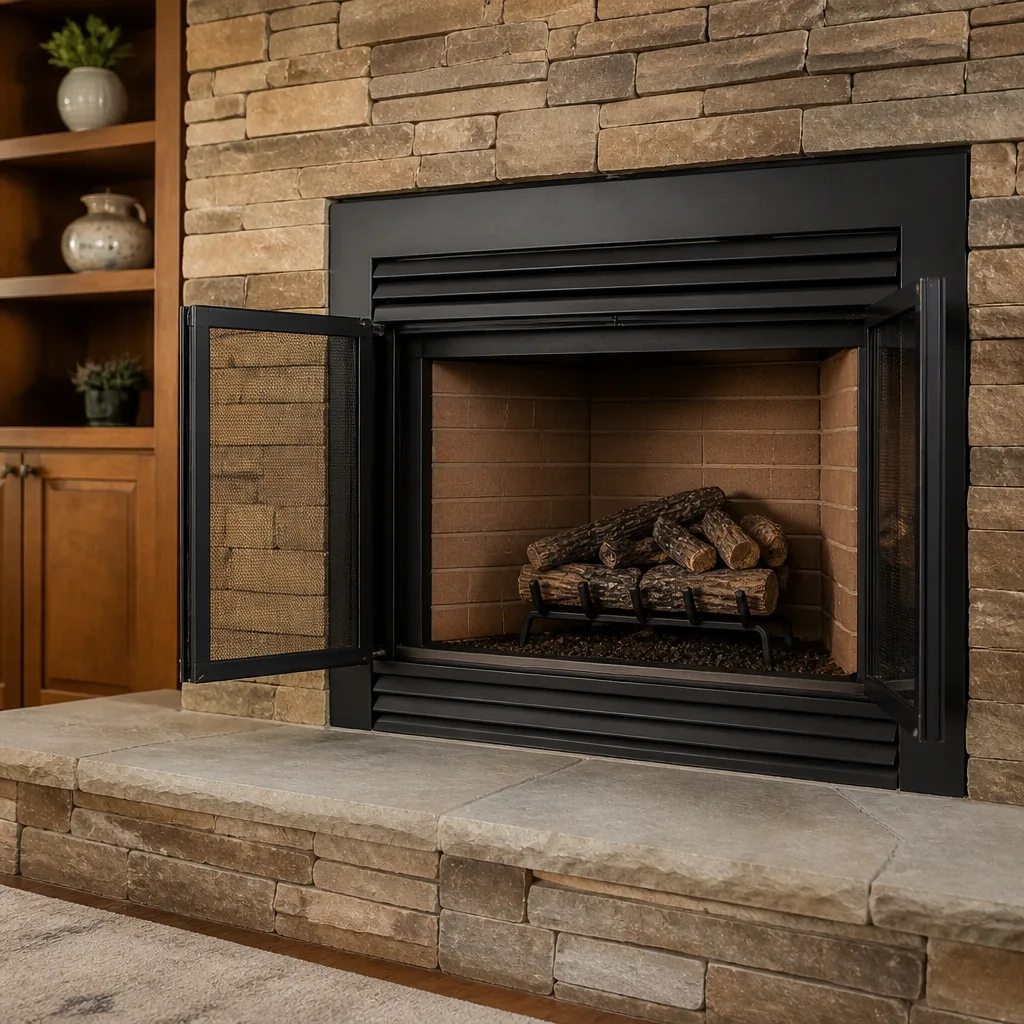 Gas fireplace service
Level 1 sweep and inspection to the NFPA 211 annual standard - flue, crown, cap, and flashing checked and photographed
Chimney sweep logs do not sweep chimneys. They loosen some creosote - which then falls where a brush and vacuum still have to collect it.
Chimney Cleaning Emergency Preparedness Guide for Amarillo Homes
Most chimney advice tells you how to prevent a fire. Very little tells you what to do in the hour when something is actually wrong. That gap matters in Amarillo, where the first hard cold snap sends everyone to the woodpile at once, and that’s the exact moment a cracked flue or a blocked cap turns from an inconvenience into an emergency. The phones get busy, the roads get slick, and a problem you could have handled in October becomes something you’re managing in the middle of a storm. This guide covers the part most homeowners never prepare for: recognizing an active chimney fire, handling a carbon monoxide scare, running a fireplace safely through a power outage, and having the right details ready before you ever pick up the phone. Read it once now, and you’ll know exactly what to do when it counts.
Quick Answer
If you suspect an active chimney fire, get everyone out of the house and call 911 first, then close the firebox door and the damper if you can do it safely on the way out. If you smell gas or suspect carbon monoxide, leave the building immediately and call 911 or your gas utility from outside. For a chimney problem that isn’t an active emergency, call a professional sweep for an inspection before you light another fire. In Amarillo, the safest approach is to book your sweep and inspection before cold season so a crisis never catches you unprepared.
Styles & brands we work with
- Sweep & inspection
- Caps & crowns
- Flue relining
- Masonry repair
- Gas fireplace service
Table of Contents
- How Do You Know If You Have a Chimney Fire Right Now?
- What Are the Correct Steps During an Active Chimney Fire?
- What Should You Do If You Suspect Carbon Monoxide?
- Pre-Season Emergency Preparation for Amarillo Homes
- How Do You Run a Fireplace Safely During a Power Outage?
- What Information Should You Have Ready When You Call?
- What to Do Immediately After a Chimney Emergency
- Common Mistakes to Avoid
How Do You Know If You Have a Chimney Fire Right Now?
An active chimney fire doesn’t always look like the roaring column of flame people picture. Many burn hot and fast inside the flue with almost no visible fire from the room, which is why they get missed until damage is done. What you’re watching for is a cluster of symptoms happening together, not a single dramatic sign. If two or three of the signals below line up while a fire is burning, treat it as a chimney fire until a professional tells you otherwise.
Watch for these signs of an active chimney fire:
- A loud roaring, cracking, or popping sound coming from the chimney, sometimes described as sounding like a freight train
- Dense smoke or sparks shooting from the top of the chimney
- A sudden, dramatic drop in draft, or smoke backing into the room
- An unusually hot chimney, stovepipe, or fireplace surround you can feel from a distance
- A strong, hot, burning smell that’s sharper than normal wood smoke
- Visible flames or glowing at the chimney cap or the top of the flue
It helps to know the difference between a chimney fire and a normal hot burn. A healthy fire produces steady, moderate heat and a clear draft up the flue. A chimney fire produces sudden intensity, noise, and often a pressure change in the room. In our experience, the sound is the tell homeowners remember afterward, because it’s unlike anything a normal fire makes. If you’re unsure, err on the side of caution. In Amarillo, where a cold front can drop temperatures fast and push everyone to build a bigger fire than usual, that sudden intensity is exactly the condition that creates chimney fires.
What Causes a Chimney Fire in the First Place?
Chimney fires are fueled by creosote, a tar-like residue that builds up on the inside of the flue as smoke cools on its way out. Every wood fire leaves some behind. When enough accumulates, a hot ember or a spike in flue temperature can ignite it. The deposits build faster with unseasoned wood, restricted airflow, and infrequent sweeping. A chimney sweep removes that fuel load before it becomes a problem, which is the whole reason regular sweeping matters more than most homeowners realize.
What Are the Correct Steps During an Active Chimney Fire?
If you believe a chimney fire is happening, your priority is people, not property. The correct order of action is to evacuate first and fight nothing you can’t reach safely on the way out. The single most common mistake is standing in the room trying to diagnose the problem while the fire spreads or the structure heats up around you. Here’s what to do, in order.
- Get everyone outside. Move all people and pets out of the house and away from the chimney side of the building.
- Call 911. Tell the dispatcher you suspect a chimney fire and give your full address. Even if the fire seems to die down, let the fire department check the structure.
- Close the firebox door and damper if you can do it safely on your way out. Cutting off the air supply can help slow the fire, but never delay your exit to do it and never reach into a hot firebox.
- Stay out. Do not re-enter to retrieve belongings. Chimney fires can spread into the surrounding framing even after the visible fire is out.
- Let the fire department inspect before you use the fireplace again. A chimney fire can leave cracks, damaged liners, and compromised joints that aren’t visible from the room.
After the fire department clears the scene, the chimney needs a real inspection before it’s safe to use. That’s a job for a certified sweep, not a visual once-over from the driveway. A chimney repair assessment after an event like this is how you find out whether the flue survived. If a liner was damaged, HeatShield resurfacing can sometimes restore it without the cost of a full reline, which is one reason it pays to have a repair-capable company look at it rather than a sweep who only cleans.
Can You Put Out a Chimney Fire Yourself?
Only in a very narrow, safe scenario should a homeowner attempt to suppress a small chimney fire, and never at the cost of a fast exit. If the fire is small, contained in the firebox, and you can safely close the firebox door and damper, cutting off air may help. Never pour water down a hot flue, never climb onto the roof, and never reach into a burning firebox. If there’s any doubt about size or spread, evacuate and call 911. Your safety matters more than your fireplace, every time.
What Should You Do If You Suspect Carbon Monoxide?
Carbon monoxide is the emergency most homeowners underestimate because you can’t see it, taste it, or smell it. A blocked or damaged chimney, a cracked flue liner, or a backdraft can push carbon monoxide back into the living space instead of up and out. If you suspect it, act as though it’s real. The steps are simple and fast.
- Get everyone outside immediately. Fresh air is the first response. Move everyone, including pets, to open air.
- Call 911 from outside. Tell them you suspect carbon monoxide and give your address.
- Do not go back in to open windows or hunt for the source. The fire department will ventilate and check the home.
- Account for everyone. If anyone has symptoms like headache, dizziness, nausea, confusion, or drowsiness, tell the first responders.
- Have the chimney and any gas appliances checked before you return to normal use. The source has to be found and fixed, not just ventilated out.
Signs of carbon monoxide you can watch for include a headache that improves when you leave the house, unusual drowsiness, and a sharp or stuffy smell near a gas appliance. The red flags that a chimney may be the source are soot stains around the firebox, a flue that won’t draft, and a fireplace that seems to push smoke into the room. After any CO event, the chimney should be inspected and, if needed, repaired before it’s used again. A worn liner or a damaged crown is exactly the kind of thing that lets carbon monoxide into the home, and it’s the kind of thing a proper inspection catches.
How Do You Prevent a Carbon Monoxide Problem Before It Happens?
Get the chimney inspected and swept before the heating season, keep a working carbon monoxide alarm on every level of the home, and never run a fireplace, wood stove, or gas appliance with a flue you know is damaged. Carbon monoxide alarms are the cheapest safety you can buy, and they give you the warning that your nose never will. This is one place where a few dollars spent early can keep a bad night from ever happening.
Pre-Season Emergency Preparation for Amarillo Homes
The best time to prepare for a chimney emergency is when nothing is wrong. In Amarillo, cold season arrives fast, and the worst time to discover a problem is the first cold night when every fireplace in the city is lit and the pros are booked out. The goal of pre-season preparation is simple: know your chimney’s condition and have the right tools on hand before you need them. A few hours in the fall prevent a frantic night in January.
Emergency Tool Kit for a Wood-Burning Home
Keep these within reach of the fireplace, and check them once a year:
- A working carbon monoxide alarm on every level of the home, tested and in date
- A fire extinguisher rated for the space, checked and not expired
- A fireproof mat or hearth pad in front of the fireplace
- A sturdy poker and a set of tongs long enough to reach the fire
- A metal ash can with a lid, kept outside
- A small amount of sand or baking soda for small flare-ups in the firebox
What to Verify Before Cold Season
- Book the sweep and inspection early. Do this before the first cold snap, not after, so you have a clear picture of your flue and any needed repairs.
- Check the cap and screen. A missing or damaged cap lets in water and animals and can affect draft. Gelco and Famco caps and venting components are the kind of quality parts that last through many seasons.
- Confirm your firewood is seasoned and dry. Wet wood builds creosote faster and makes the fire harder to control.
- Test smoke and CO alarms. Replace the batteries so they’re ready when you need them.
- Clear the area around the hearth. Remove anything flammable, and make sure the space is easy to move through in a hurry.
Pre-season prep is where the difference between a manageable problem and a real emergency gets made. A chimney that was inspected and swept before the season is far less likely to surprise you when the weather turns. If any of the checks above turn up something wrong, deal with it now while you still have time and options, rather than the night the temperature drops and your family is counting on a warm fire.
How Do You Run a Fireplace Safely During a Power Outage?
Power outages change how a fireplace behaves, and this is where a lot of Amarillo homeowners get into trouble without realizing it. When the power goes out, the furnace goes off, the exhaust fans stop, and the home’s normal air balance shifts. A fireplace that drafted fine all evening can suddenly push smoke into the room, because the airflow that guided the smoke up the flue is no longer there or has been disrupted. The stove, the dryer, the bathroom fan all pulling air can compete with your chimney for the air it needs.
Safe fireplace operation during an outage comes down to a few rules:
- Open a window a crack near the fireplace to give the fire fresh air and help the flue draft.
- Don’t run exhaust fans or appliances that pull air from the house while the fire is burning.
- Watch the smoke. If smoke backs into the room instead of going up, put the fire out and let the chimney cool. Smoke in the room means poor draft, which means a higher risk of carbon monoxide.
- Keep the carbon monoxide alarm in service. Some alarms are battery backup, some are not; check yours before the season.
- Don’t overload the fire. A bigger fire than usual during an outage is a common mistake and increases the load on the flue.
If your fireplace is acting up during an outage, don’t push through it. A fire that won’t draft, smoke in the room, or a strange smell is a signal to stop and get the chimney checked. In Amarillo, when the power is out and the house is cold, the instinct is to burn hotter and longer. That’s exactly when you should be most careful. If your chimney hasn’t been swept this season, the safest move is to keep the fire small or hold off until a pro has looked at the flue.
What If the Power Outage Is Also a Cold Snap?
That’s the situation that most strains a chimney, and it’s the one to think about in advance. When Amarillo gets a sudden cold snap and the power grid is under stress at the same time, homeowners rely on the fireplace as the main source of heat for hours, sometimes longer. A chimney that’s overdue for a sweep is far more likely to fail under that kind of sustained use. That’s why an early-season inspection is worth booking before the cold arrives. When you’re depending on the fireplace, you want to know the flue is clean and sound, not find out the hard way.
What Information Should You Have Ready When You Call?
When something goes wrong with a chimney, the details you give on the phone shape how the response goes. A technician who knows what to expect shows up prepared. A technician who’s guessing spends the first part of the visit gathering what you could have told them in two minutes. Have these details written down or ready to share when you call for a chimney sweep or emergency chimney service.
- Your full address, with a clear description of the house and where the fireplace is. Landmarks help if your street isn’t obvious on a map.
- What’s happening right now: smoke in the room, a strange smell, a sound from the chimney, visible fire at the top, or a CO alarm going off.
- What the fire was doing and when it started: how big the fire was, whether you just lit it, and how long the symptoms have been going.
- Type of fireplace and appliance: wood-burning masonry, wood stove, gas fireplace, or insert, and whether it’s vented through a masonry or metal chimney.
- When your last sweep was and by whom. If you don’t know, say so. It still tells the tech a lot.
- Any prior issues: a known crack, a missing cap, a recent backdraft, or a problem another contractor flagged.
- Whether anyone in the home feels unwell, especially headache, dizziness, or nausea that clears when they go outside.
The more of this you can hand over on the phone, the faster the tech can bring the right tools and parts. That matters most in the middle of a cold snap, when the wait for help can stretch. In our experience, homeowners who know their chimney’s history get faster, better service than ones who are learning about their fireplace on the fly. If a previous contractor flagged something, have that report handy. We’re happy to look at findings from another company and tell you what we see, which is common when someone just got a scary inspection report and wants an honest second look.
What to Do Immediately After a Chimney Emergency
The fire department has left, the smoke has cleared, and the adrenaline is fading. This is the point where homeowners make some of the biggest mistakes, usually by lighting another fire too soon. After a chimney fire, a carbon monoxide scare, or a backdraft event, the chimney needs to be inspected before it’s used again, no exceptions. The right order of action after an emergency keeps you safe and gives you a clear plan.
- Do not light another fire until a certified sweep has inspected the chimney, flue, and firebox.
- Get a full inspection. A chimney fire can crack the liner, damage the crown, and loosen joints in ways you can’t see from the room. The inspection is what tells you whether the chimney is safe.
- Find out what needs repair and what can wait. Not every finding is urgent, and a good tech will tell you the difference and show you the evidence.
- If a liner was damaged, ask about repair options. A damaged liner doesn’t always mean a full reline. HeatShield resurfacing can restore a worn flue in some cases, and professional-grade liner systems like DuraFlex and Olympia Chimney cover the cases that need a full replacement. A company that carries both gives you real choices instead of one size fits all.
- Fix it in one place. The best outcome is having the same company that found the problem also fix it, so there’s no gap between the report and the repair.
An inspection without repair capability is just paperwork. We do both, and we show you what we found so you can see the evidence yourself. That’s the honest way to handle a post-emergency assessment: nothing recommended without proof, and a plain answer about what can safely wait.
Common Mistakes to Avoid
- Waiting to book a sweep until the first cold night. That’s when every Amarillo homeowner wants service at once and the pros are booked out. Book in the fall, before you need it.
- Trying to fight a chimney fire with water or from the roof. Never pour water down a hot flue and never climb onto the roof. Evacuate, call 911, and let the fire department handle it.
- Ignoring a smoke smell or a backdraft. Smoke in the room is a draft problem, and a draft problem can be a carbon monoxide problem. Treat it as a warning, not an annoyance.
- Relighting after a scare without an inspection. A chimney that survived a fire can still have a cracked flue. Use it again only after a sweep has checked it.
- Assuming a visual look from the driveway is enough. A camera inspection and photo report show what’s actually inside the flue. You should be able to see the evidence for yourself.
- Burning wet or unseasoned wood to stretch a woodpile. It builds creosote faster and makes the fire harder to control, exactly the opposite of what you want in a chimney emergency.
- Relying on a CO alarm you haven’t tested. Check your alarms at the start of every season. An alarm that doesn’t work is no protection at all.
See the difference
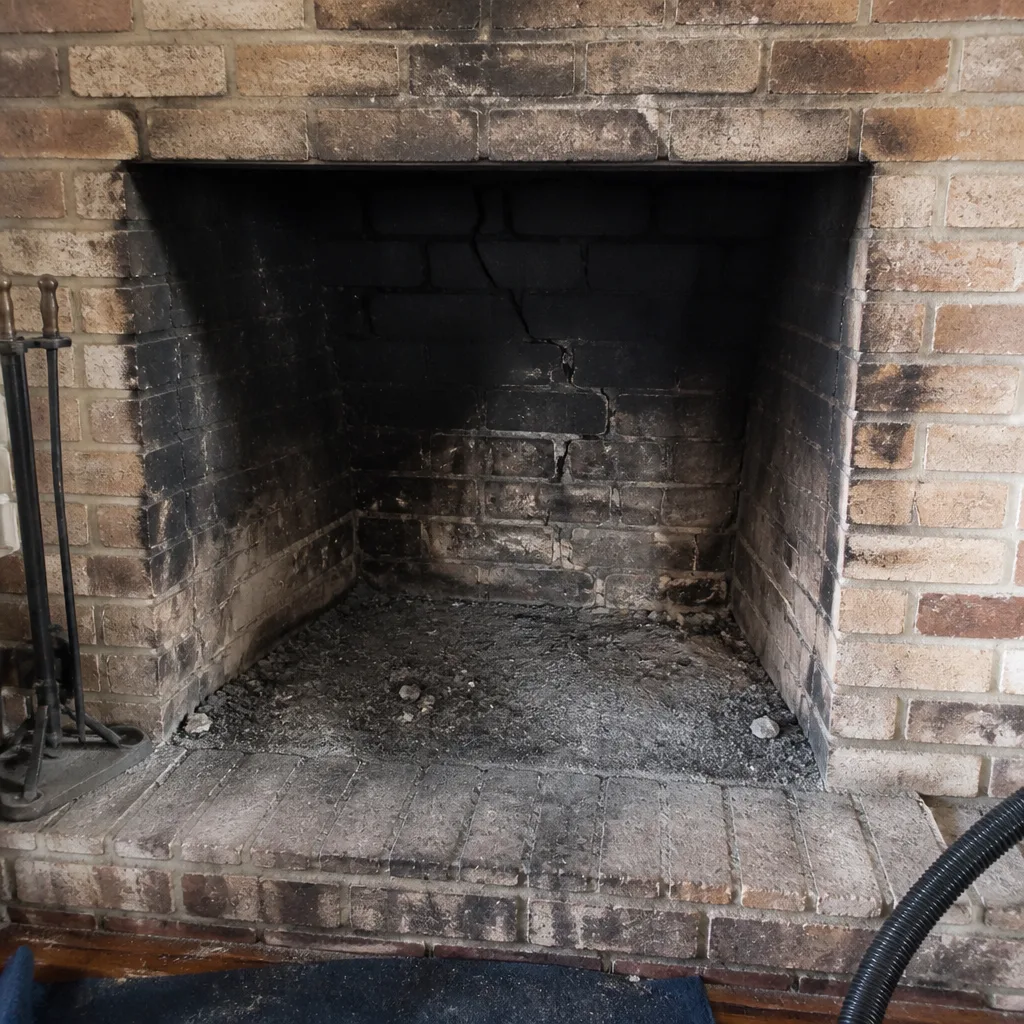 Before
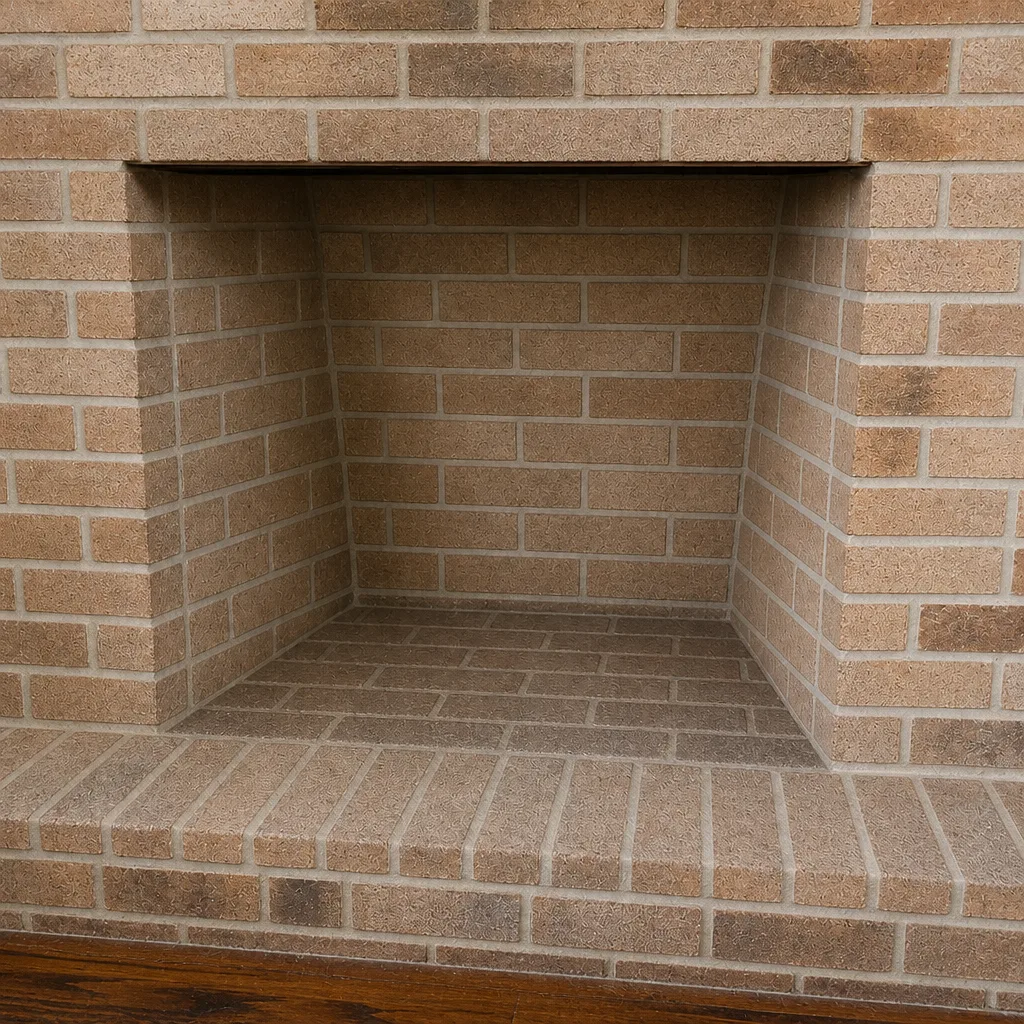 After
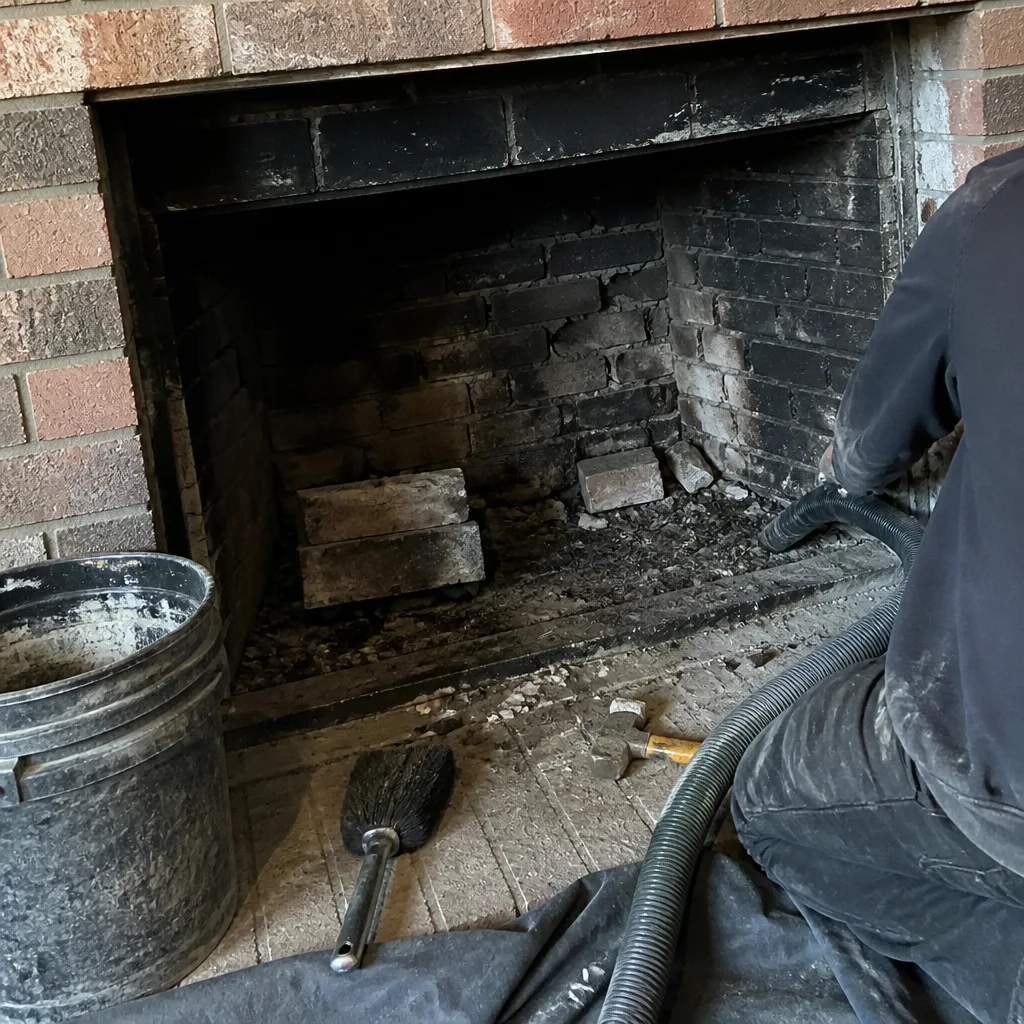 Before
 After
 Before
 After
When to Call a Professional
Call a professional for anything you can’t confirm is safe. That includes smoke backing into a room, a strange smell near the fireplace or a gas appliance, a flue that won’t draft, visible damage to the cap or crown, a chimney that was in a fire, and any carbon monoxide concern after an alarm or symptoms. Even without an emergency, book a sweep and inspection before the heating season if it’s been a while, and call right away if another contractor flagged a problem and you want a second opinion with an actual repair plan behind it. A chimney problem that’s caught early is a cheap fix; the same problem in January is an emergency.
Chimney Sweep Amarillo offers free estimates in Amarillo. Call (888) 527-6071. We answer 24/7. Fast dispatch from 7am to 7pm, Sunday through Friday.
Frequently Asked Questions
A chimney fire usually feels like sudden intense heat and a lot of noise, not just visible flames. Homeowners often describe a loud roaring or popping sound from the chimney, a sharp burning smell, and smoke backing into the room. If several of those happen at once while a fire is burning, treat it as a chimney fire and evacuate.
Call (888) 527-6071 for an inspection after any suspected fire, and we’ll show you what’s inside the flue, not just tell you about it.
Sometimes a chimney fire burns itself out once the fuel in the flue is consumed, but that doesn’t make it safe afterward. Even a fire that seemed to die down can leave a cracked liner or damaged joints that aren’t visible from the room. The safe move is to call 911 and then have the chimney inspected before you use it again.
Timing depends on the season and your area, so we’d rather give you a real answer than a guess. During a cold snap, demand is high and waits get longer, which is why booking in the fall is worth it. Call (888) 527-6071 and we’ll give you a straight answer on scheduling. We answer 24/7, and dispatch runs from 7am to 7pm, Sunday through Friday.
You need an inspection after a chimney fire, not just a sweep. Sweeping removes creosote; an inspection with a camera shows whether the fire damaged the liner, crown, or joints. That’s the difference between a clean flue and a safe one. A proper inspection comes with a photo report so you can see what the tech saw.
Get everyone outside and call 911 from outside, even if you don’t smell anything. Carbon monoxide has no smell, so an alarm going off is the warning you need to act on. Don’t re-enter to open windows or look for the source. Once the fire department clears the home, have the chimney and any gas appliances checked before you return to normal use.
You can, but you need to be careful about airflow. Open a window near the fireplace a crack, don’t run exhaust fans or appliances that pull air from the house, and watch the smoke. If smoke backs into the room, put the fire out; smoke in the room signals poor draft and a higher carbon monoxide risk. A CO alarm on every level gives you the warning you won’t get otherwise.
Call (888) 527-6071 for a free estimate before cold season, and we’ll make sure the flue is ready when you need it.
The Bottom Line
A chimney emergency is easier to handle when you’ve thought through it before it happens. Know the signs of an active chimney fire and the order of response: evacuate first, call 911, then get the chimney inspected. Treat a CO alarm or a smoky room as a real warning, and never relight until a sweep has checked the flue. Prepare before Amarillo’s cold season with a sweep, an inspection, tested alarms, a working carbon monoxide alarm on every level, and a cap in good shape. And when you call for help, have your address, the symptoms, and your chimney’s history ready. That’s what turns a bad night into a manageable one.
If it’s been a while since your last sweep, or a recent inspection flagged something, book now while there’s time. Call (888) 527-6071 for a free estimate. We answer 24/7. Fast dispatch from 7am to 7pm, Sunday through Friday. Chimney Sweep Amarillo handles the sweep, the inspection, and the repair, with professional-grade brands like HeatShield, DuraFlex, Olympia Chimney, Gelco, and Famco in the mix, so there’s no gap between finding a problem and fixing it. We’re glad to work with your insurer where relevant, and nothing gets recommended without camera evidence you can see for yourself. On our side, that’s Chimney Sweep Amarillo, ready when you are.
Written by the team at Chimney Sweep Amarillo.