
Last updated November 16, 2026
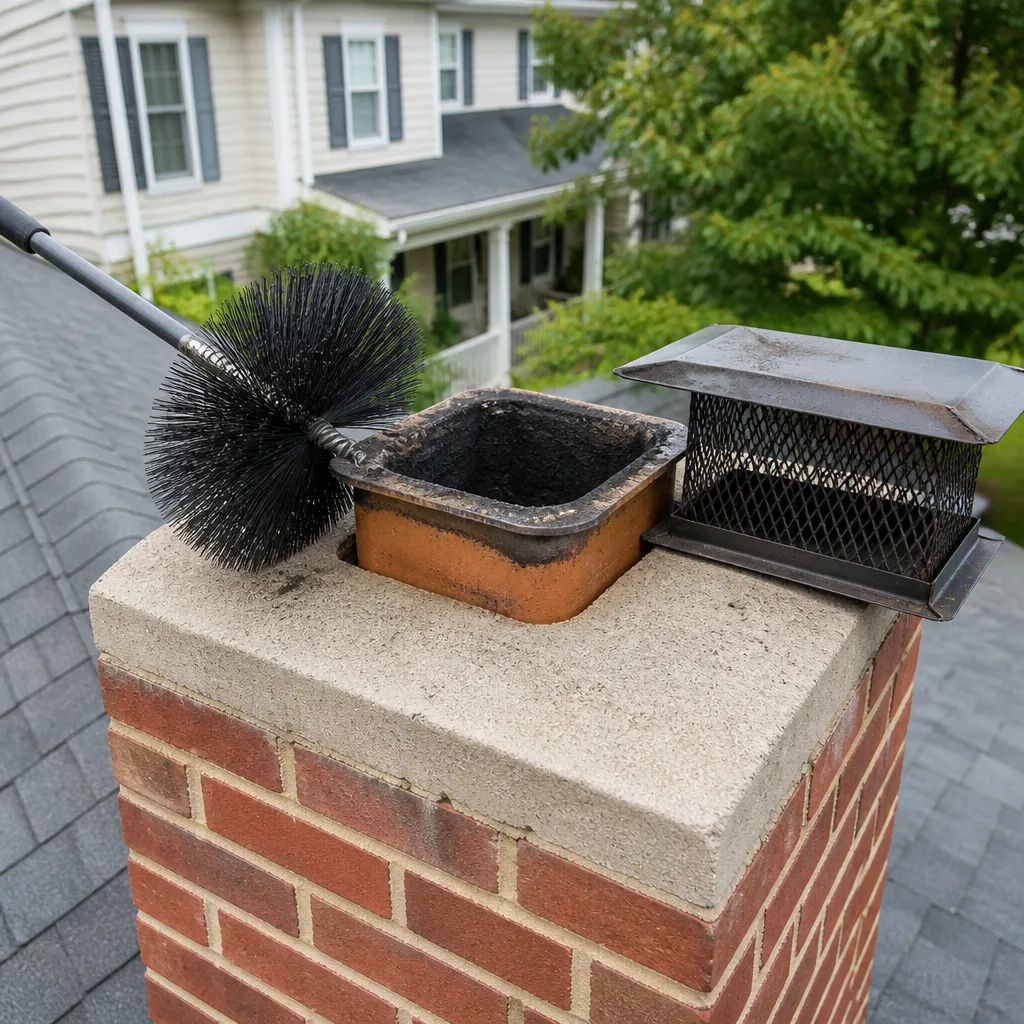 Sweep & inspection
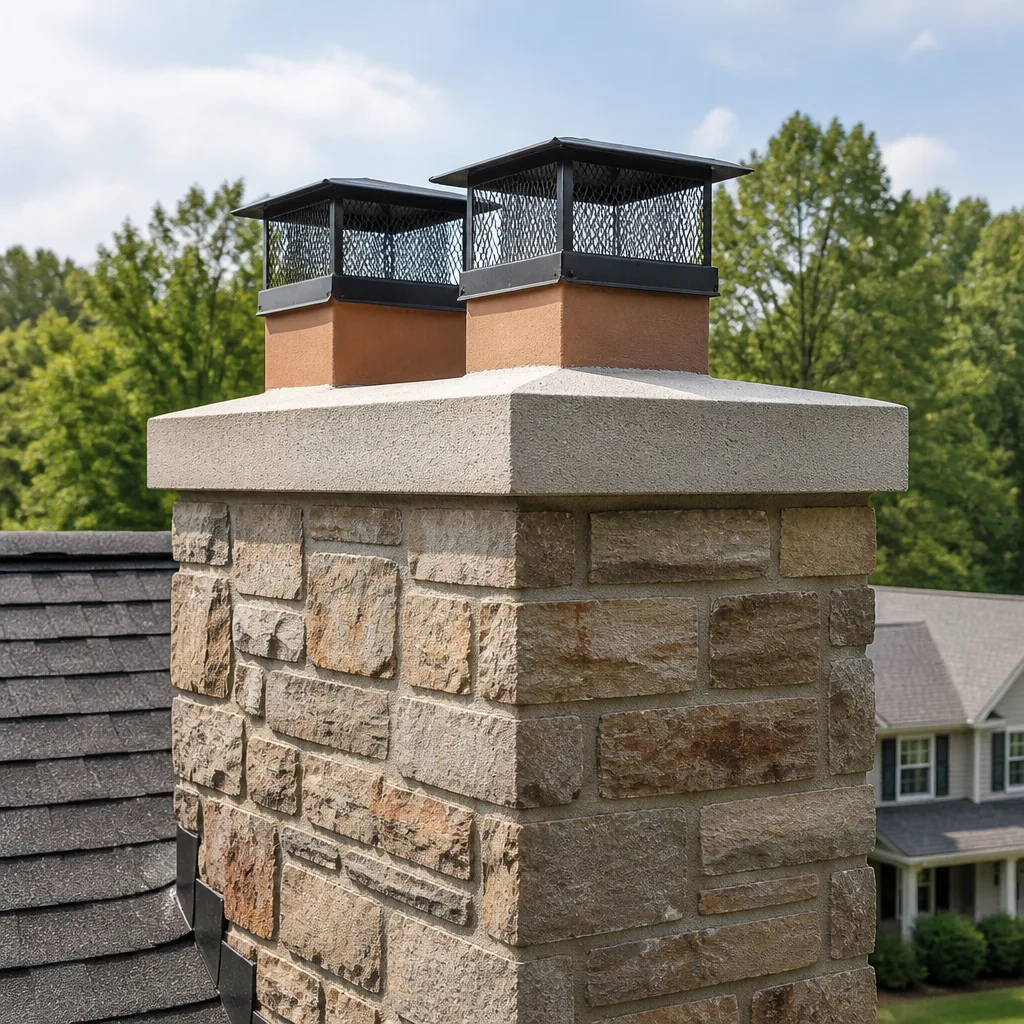 Caps & crowns
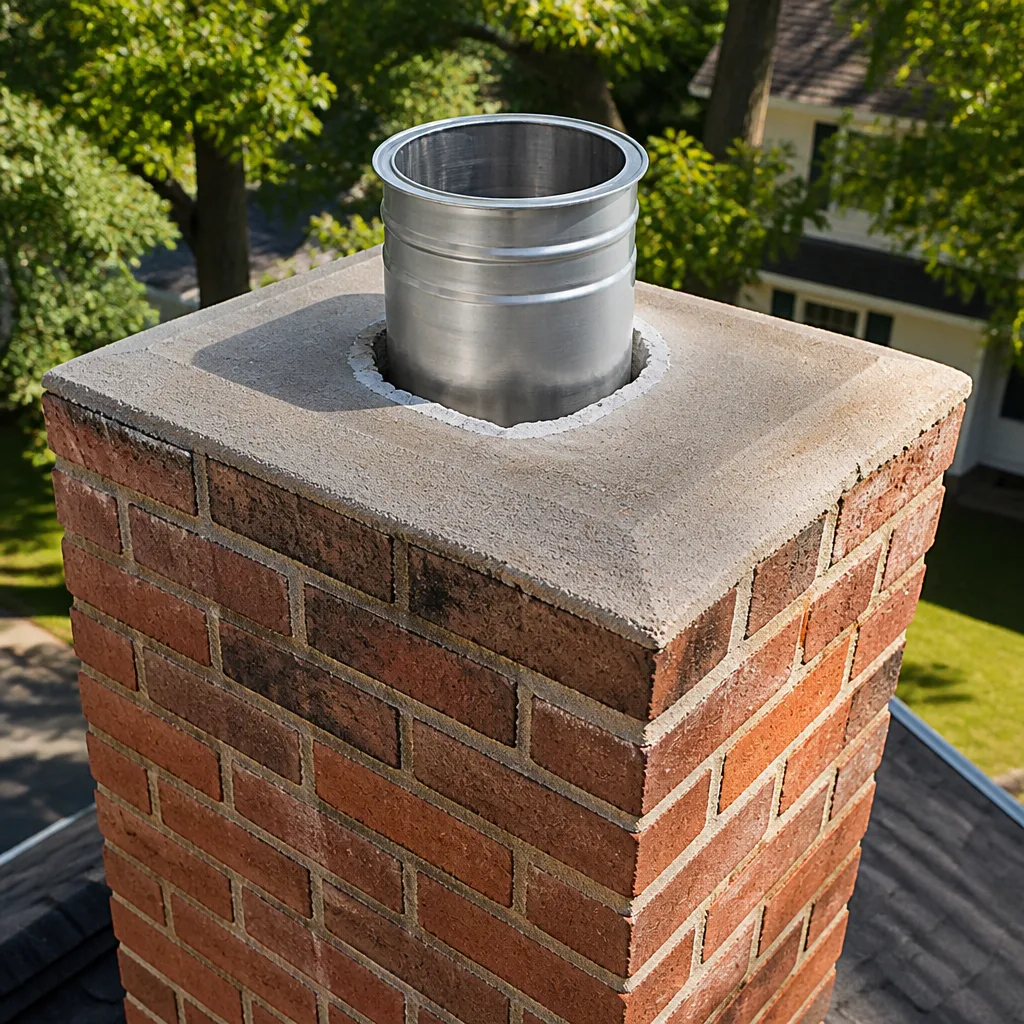 Flue relining
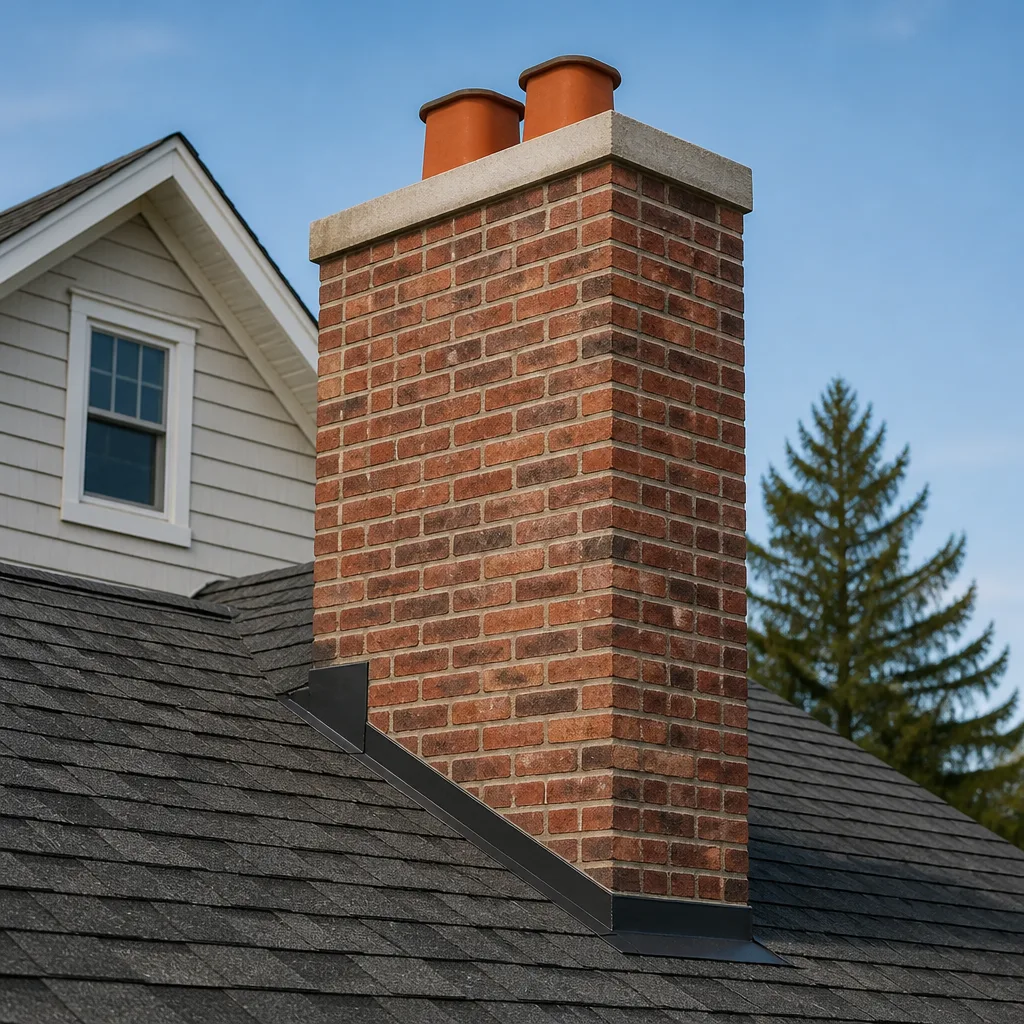 Masonry repair
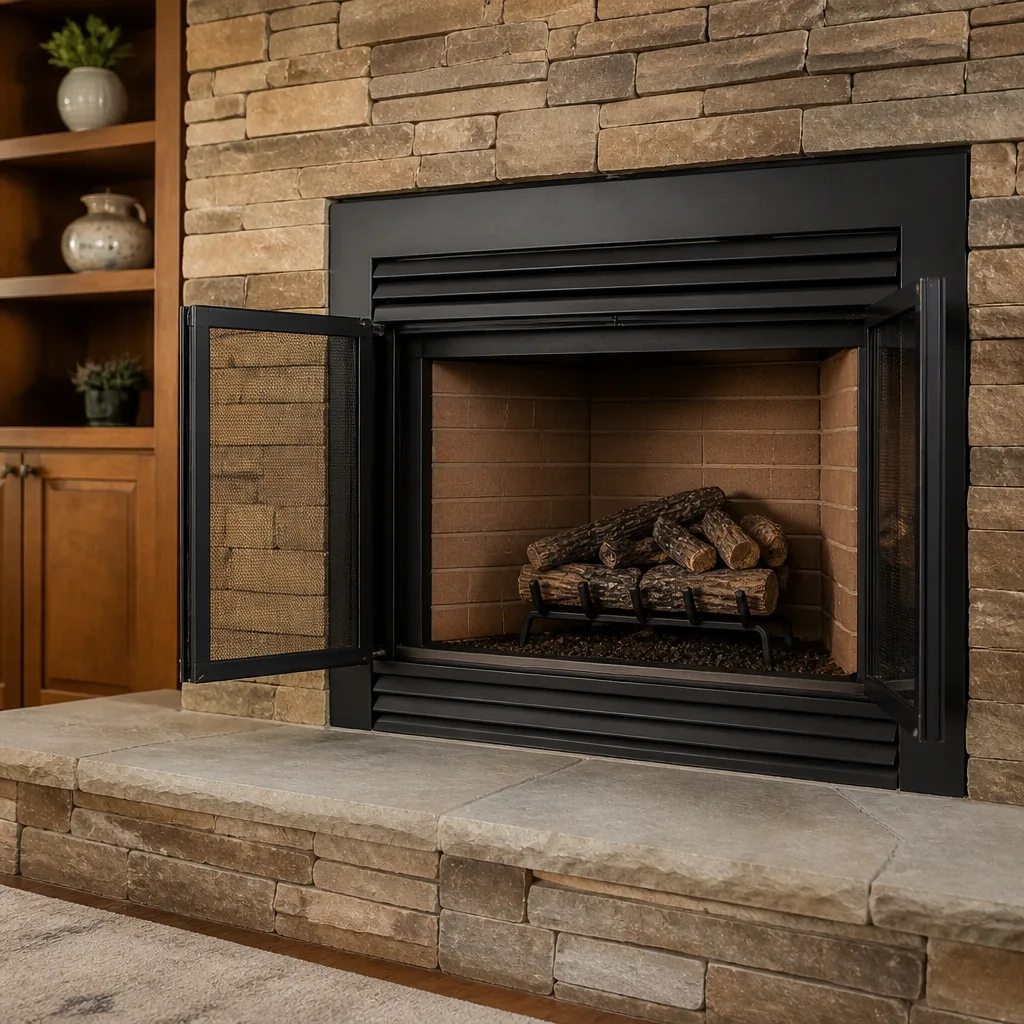 Gas fireplace service
Level 1 sweep and inspection to the NFPA 211 annual standard - flue, crown, cap, and flashing checked and photographed
Chimney sweep logs do not sweep chimneys. They loosen some creosote - which then falls where a brush and vacuum still have to collect it.
Chimney Cleaning Permits, Codes & Inspections in Amarillo, TX: What You Need to Know
The part of chimney work that gets homeowners in trouble usually isn’t the cleaning. It’s the repair. A sweep finds a cracked firebox and rebuilds it, nobody pulls a permit, and now you own an unpermitted structural change to the house. That problem tends to surface at the worst possible moment: during a home sale, in the middle of a fire claim, or when a renovation needs a certificate of occupancy and the inspector asks for records you don’t have. This guide draws a clear line between the routine maintenance that doesn’t need a permit and the regulated work that does, so you can ask the right questions before anyone starts. We’ll cover how Texas codes apply to chimney work in Amarillo, what gets inspected and how, and what paperwork to keep once the job is done.
Quick Answer
In Amarillo, routine chimney cleaning (sweeping) is maintenance and normally doesn’t require a permit. Anything that changes the structure or components of the chimney system, such as a liner replacement, a firebox rebuild, or a new wood stove or insert installation, typically does require a permit from the City of Amarillo and an inspection to sign it off. Inspections themselves follow the NFPA 211 standard, though not every inspection level is a legal requirement. Call (888) 527-6071 with questions about your specific situation before work begins.
Styles & brands we work with
- Sweep & inspection
- Caps & crowns
- Flue relining
- Masonry repair
- Gas fireplace service
Table of Contents
- Where the Permit Line Falls in Amarillo
- How Texas Codes Apply to Chimney Work
- What NFPA 211 Requires for Inspections
- How to Verify a Contractor Is Pulling Permits
- What Happens During a Chimney Inspection
- What Documentation to Keep After Permitted Work
- When a Permit Isn’t the Real Answer
Where the Permit Line Falls in Amarillo
The simplest way to think about it: if the work changes the chimney system, it usually needs a permit. If it only cleans or inspects the system, it usually doesn’t. Most of the confusion comes from the middle ground, where a “small” repair is actually a structural change.
Routine maintenance that typically does not require a permit includes:
- Sweeping the flue and firebox to remove creosote and soot
- Visual inspection of the firebox, flue, damper, cap, and crown
- Removing a bird or animal nest from the flue
- Applying a chimney cap that’s a direct replacement for an existing one using the same mounting
- Minor mortar touch-ups on the exterior that don’t alter the structure
Work that typically does require a permit from the City of Amarillo includes:
- Replacing or installing a chimney liner
- Rebuilding or resurfacing a firebox that changes the firebox itself
- Installing a new wood stove, fireplace insert, or gas appliance vented through the chimney
- Cutting a new flue or changing the chimney’s footprint
- Structural changes to the chimney chase or masonry above the roofline
We’d rather a homeowner ask the question up front than discover the problem at resale. If you’re unsure which side of the line your job falls on, our chimney repair conversation usually starts there. Once you say what’s being changed, we can tell you whether a permit is likely and how to go about pulling it.
How Texas Codes Apply to Chimney Work
Texas construction regulations around chimney work trace back to the International Residential Code, or IRC, which covers chimneys in Chapter 10 (Chimneys and Fireplaces) and vents in Chapter 15. Local jurisdictions adopt and amend the IRC. In Amarillo, the city’s building department administers those permits and inspections, so the practical steps and the specific plan-review requirements are always set by the City of Amarillo, not by the state.
A few things homeowners are often surprised by:
- Liner swaps are treated like component replacement, not maintenance. The IRC sets requirements for flue liners, and pulling the old liner and putting in a new one is a permitting event in most jurisdictions.
- Firebox rebuilds that change the firebox are structural. The IRC has rules about firebox dimensions, wall thickness, and hearth extensions. Getting them wrong can show up as an inspection failure at the worst time.
- New appliance installs are permits even when the chimney isn’t touched. A wood stove, insert, or vented gas appliance is a new appliance and its installation is regulated work.
- Resurfacing is a gray area. A proprietary resurfacing system like HeatShield restores a flue’s interior without removing the original liner. Whether that needs a permit depends on the local building department and on what the inspector considers repair versus replacement. Given our market, that’s worth a phone call before the work starts.
If you’re doing a larger project on an Amarillo home, coordinate the chimney permit with any Amarillo general construction review the city is already handling. Bundling plan reviews tends to shorten the process.
One last note: codes change. The IRC gets amended and reissued on a cycle, and local adoption lags or leads. Confirm the current code edition and local amendments directly with the City of Amarillo’s building department rather than relying on what was standard a few years ago.
If reading codes leaves you with more questions than answers, a good first call is a conversation about what you actually plan to do. Not every homeowner needs a permit. Every homeowner benefits from knowing which bucket their job falls into before signing a contract.
What NFPA 211 Requires for Inspections
NFPA 211 is the chimneys, fireplaces, vents, and solid-fuel-burning appliances standard. It’s the spine of essentially every professional chimney inspection in Texas, including all three of our inspection tiers. It’s also widely cited as the basis for required inspections when there’s a change of occupancy, a chimney fire, or a documented concern about the system.
The standard defines three inspection levels, each with its own scope. Local enforcement generally aligns with these, though not every level is legally mandated:
- Level 1. A routine, visual inspection during a sweep. Scope: readily accessible portions of the chimney and appliance. Recommended annually and after a sweep, or when changing fuel type to something with a similar appliance profile.
- Level 2. A more detailed inspection that includes a visual examination of accessible interior flue surfaces and the connected appliance. Recommended after any change to the system (liner replacement, new appliance, firebox repair), after a chimney fire, or when a transfer of ownership happens.
- Level 3. An investigation of concealed portions of the system, including opening walls or removing parts of the chimney itself. Recommended only when a Level 1 or Level 2 has identified a hazard that requires it.
In practice, most Amarillo homeowners need Level 1 on a routine schedule. Level 2 enters the picture when a structural change occurs, when you’re selling the house, or when a previous inspection flagged something that needs verifying. Level 3 is rare and typically tied to a specific serious defect.
We get asked often whether a “certified inspection” means the same thing as a Level 2. The answer is: maybe. A certification says the person was trained. The level number says what they actually looked at. When someone hands you a report, ask which level it is. If the report doesn’t say, that’s a gap.
For scheduling, see our chimney sweep page. Both the sweep and the inspection come out of the same visit, so the level of inspection you get is set before the technician arrives, not during.
How to Verify a Contractor Is Pulling Permits
Some contractors skip permits because it’s faster and cheaper for them. The cost lands on you, sometimes years later. Verify. It takes about five minutes and one phone call, and it saves you the most expensive kind of surprise.
- Ask in writing. Put the question in an email or text: “Will this job need a permit, and will you pull it?” A verbal “we’ll handle it” is not the same as a written yes. Everything in writing before work starts.
- Check with the City of Amarillo. Call the building department directly and ask whether a permit is on file for your address. If the contractor told you a permit was pulled, the city has a record. If they can’t find one, you have a problem.
- Confirm the contractor’s license and registration. Ask for the state license or registration number and verify it through the appropriate Texas agency. A contractor who hesitates on this question is telling you something.
- Expect an inspection visit. A permitted chimney job includes at least one visit from a city inspector to sign the permit off. If no inspector ever shows, you should ask why.
- Get the final inspection record. Keep the paperwork. It’s the difference between a documented permit and a story you have to tell at resale.
We do pull permits where they’re required, and we’ll walk you through the process. Inspection findings are repaired by the same team that found them. That single-company accountability is one reason we structure our work this way. When the permit, the inspection, and the repair run through separate contractors, records slip through the cracks.
If a contractor insists no permit is needed for a liner swap, that’s a red flag in Amarillo. Push back.
What Happens During a Chimney Inspection
An inspection is a sequence, not a five-minute glance. When we run a Level 2, which is the level most Amarillo structural work requires, here’s the general shape of what gets looked at:
- Exterior. Chimney cap, crown, mortar joints, flashing at the roofline, and the masonry above the roofline.
- Firebox interior. Damper operation, firebox walls, hearth and fireback, and the throat.
- Flue interior. Accessible surfaces through the firebox and, where necessary, from the top. Camera scope where reach is limited.
- Appliance and connection. Any wood stove, insert, or vented appliance: connection, vent, clearances, and condition.
- Documentation. A written report with photos that put the findings in front of you, not just a verbal summary.
Most of what we recommend over the years has come down to gaps in this sequence, not the sweep itself. Missing cap, bad flashing, deteriorated crown. The chimney stays intact for a while and then a repair becomes a rebuild.
In our experience, the most common findings in Amarillo homes are deteriorated mortar above the roofline, damaged crowns, missing or loose caps, and hairline cracks in clay tile liners that look insignificant but warrant monitoring. The hairline cracks in clay tile are the ones that cause the most homeowner anxiety, and honestly, sometimes that anxiety is warranted and sometimes it isn’t. A camera view plus photos plus a written assessment gives you the answer instead of the worry.
One safety note we never skip. The interior of the chimney and the firebox are not a place to inspect from above with a flashlight. High-tension parts, sharp edges, and years of creosote buildup are cumulative hazards. The right move is to have the inspection done by a trained technician, and to have a camera used where reach is limited.
HeatShield is a good example of what the inspection opens up. In many cases a damaged flue can be resurfaced with HeatShield rather than relined completely. That’s a significant cost difference, and it’s an option when the structural condition of the chimney allows it. HeatShield-certified repair capability is in our service scope, and we’ll talk through whether it fits your chimney.
What Documentation to Keep After Permitted Work
Permitted chimney work generates a paper trail. Keep all of it. Every document serves a different purpose later, and the pile is small enough that keeping it costs nothing.
- Signed contractor agreement. Describe the scope precisely, including which product line (FireFlex, Olympia Chimney, Gelco, Famco, Copperfield, or another), the work performed, and what’s warrantied.
- Building permit number. Record the permit number on your copy of the agreement. It makes it easy to retrieve the city’s inspection history if you ever need it.
- Inspection record. The city inspector’s final sign-off is the document that proves the work was done according to code.
- Inspection report and photos. The technician’s report, including any camera footage, is what documents the chimney’s condition before and after. Keep both versions.
- Receipts. Materials receipts, in particular, show what was actually installed.
If you sell your Amarillo home, having the full packet shortens a buyer’s questions to almost nothing. If you ever file a fire claim, the inspection record shows the chimney was documented and maintained. If you renovate and need a certificate of occupancy, the folder answers what the building department will ask.
We’d rather a homeowner have one stack of paperwork in a drawer than have to reconstruct the history of their chimney a decade later. When we finish a job, we hand over the full packet. Where a permit is required, we make sure the city inspection runs through the permit before we consider the job closed.
When a Permit Isn’t the Real Answer
Sometimes homeowners come in asking about a permit because they’ve been told they need a rebuild, and the honest answer is that they might not need either.
We’ve seen reports that recommend a full liner replacement when the flue was actually intact. We’ve also seen reports that missed a dangerous condition. Getting a second opinion is fine, and it’s cheap compared to a rebuild you didn’t need. The way to keep the second opinion honest is to insist on the camera. Not just “we looked in,” but the actual footage, or at minimum photos of what was found, along with a written report. If a contractor can’t show you the evidence, the recommendation is a guess.
Three cases where you do need professional help:
- The firebox or liner is cracked. Hairline cracks might be monitored; missing chunks, spalling, or visible gaps in the liner are a fire hazard and a carbon monoxide risk. Get it seen.
- You’ve had a chimney fire. Even a small one can damage the flue in ways you can’t see. A Level 2 inspection is the baseline.
- Symptoms that point to a venting problem. Backdraft, smoky smell in the house, soot staining around the firebox opening, or a CO detector that keeps going off. Stop using the fireplace and call a professional.
If a chimney is well-documented and the last inspection was recently done and clean, and nothing has changed, some work can safely wait. Better to hear “you’re fine” from someone who showed you the evidence than to schedule a rebuild because a flashing flashlight found a shadow.
Common Mistakes to Avoid
- Assuming every repair needs a permit, or none do. The line matters. Sweeps and light repairs usually don’t need one. Liner swaps, firebox rebuilds, and new appliance installs usually do. Know which bucket you’re in before work starts.
- Taking “we’ll handle the permit” as fact. Get it in writing and independently verify with the City of Amarillo. A verbal yes is not a permit.
- Skipping inspections because “the sweep looked fine.” Sweeping is maintenance. Inspection is assessment. They’re not the same visit, and they don’t answer the same questions.
- Accepting a repair recommendation without seeing the evidence. Ask for a camera inspection and photos. If a contractor can’t show you the flue, the recommendation is unverified.
- Not keeping the permit packet. The permit number, inspection record, and photos are what make your chimney easy to sell, insure, and renovate later.
- Ignoring a hairline crack or a missing cap because it looks small. Clay tile cracks and unsecured caps are the two most common findings we see in Amarillo homes. Exterior mortar deterioration is next. None of them require a rebuild yet, but all three get more expensive with time.
- Buying a new appliance before confirming venting. Liner requirements for a new insert or stove depend on the appliance. Get the venting plan reviewed first.
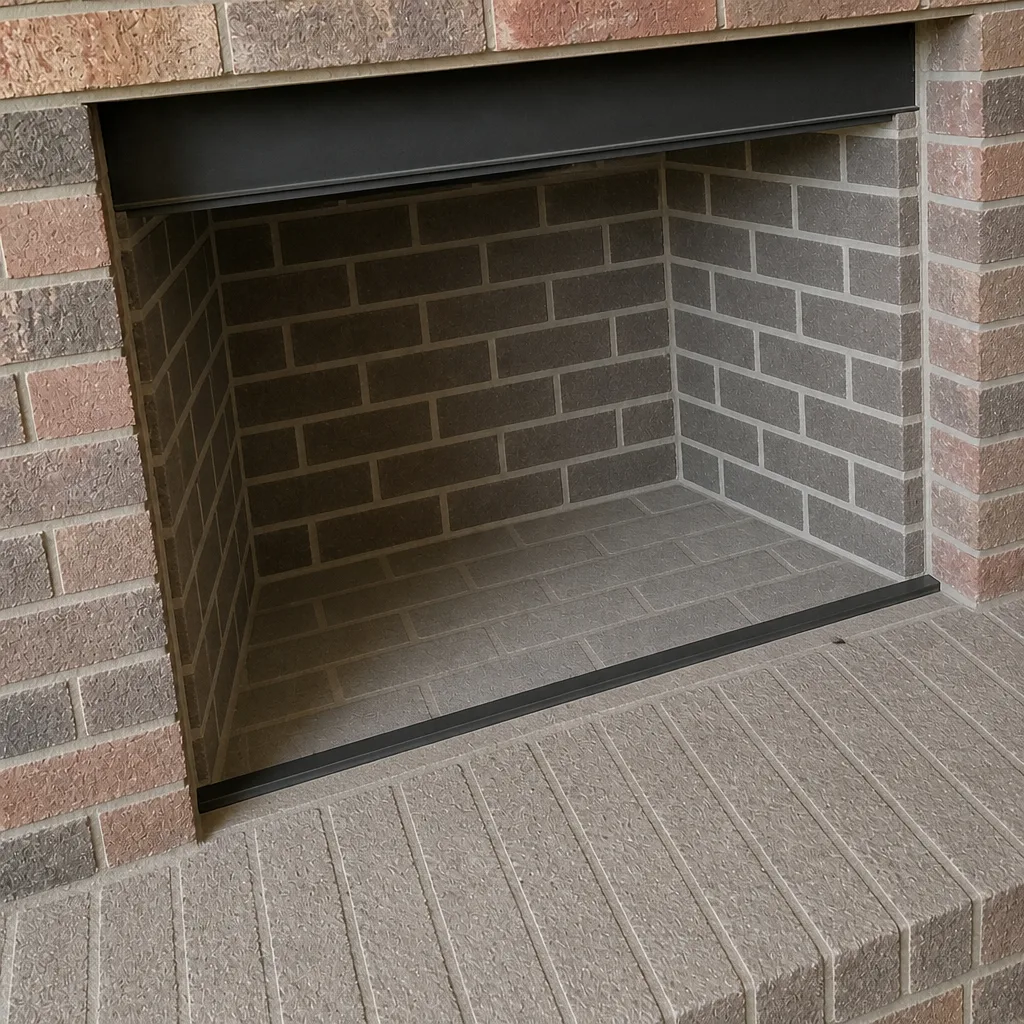
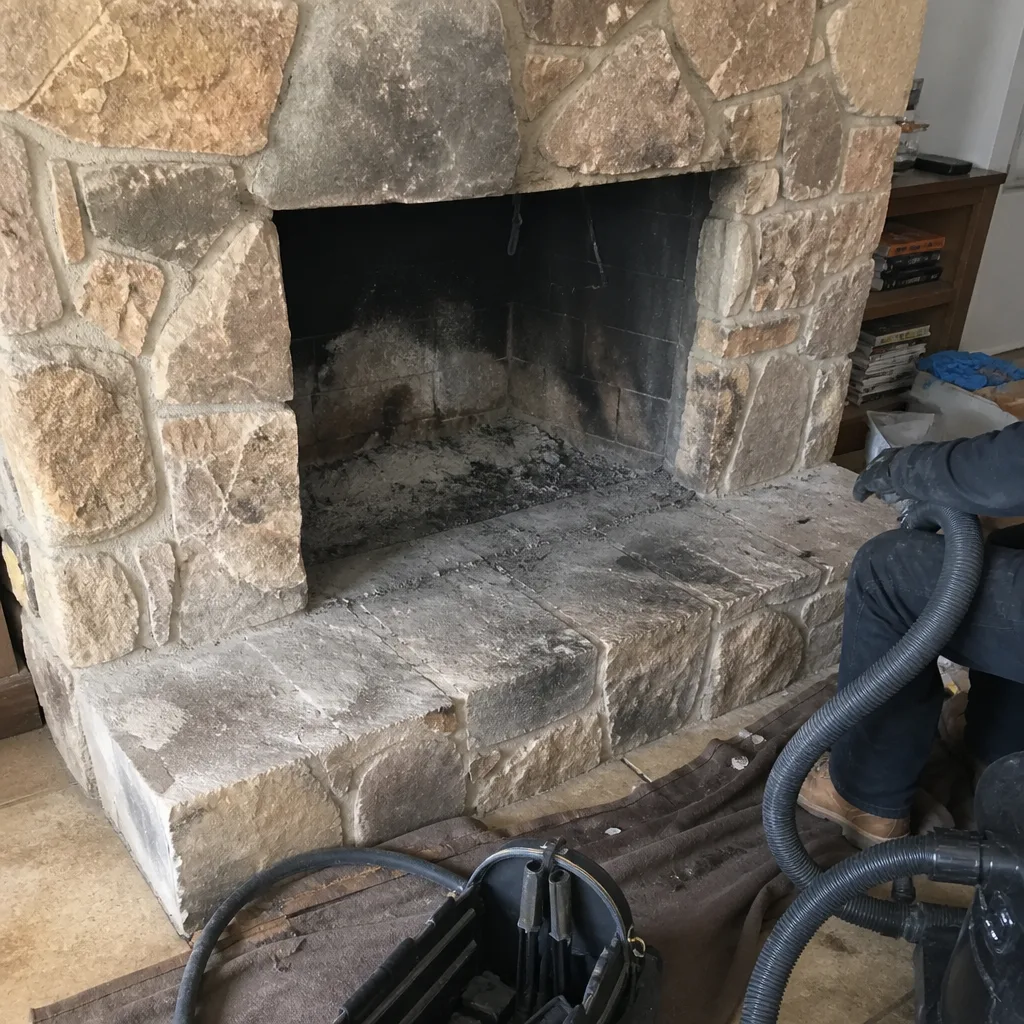
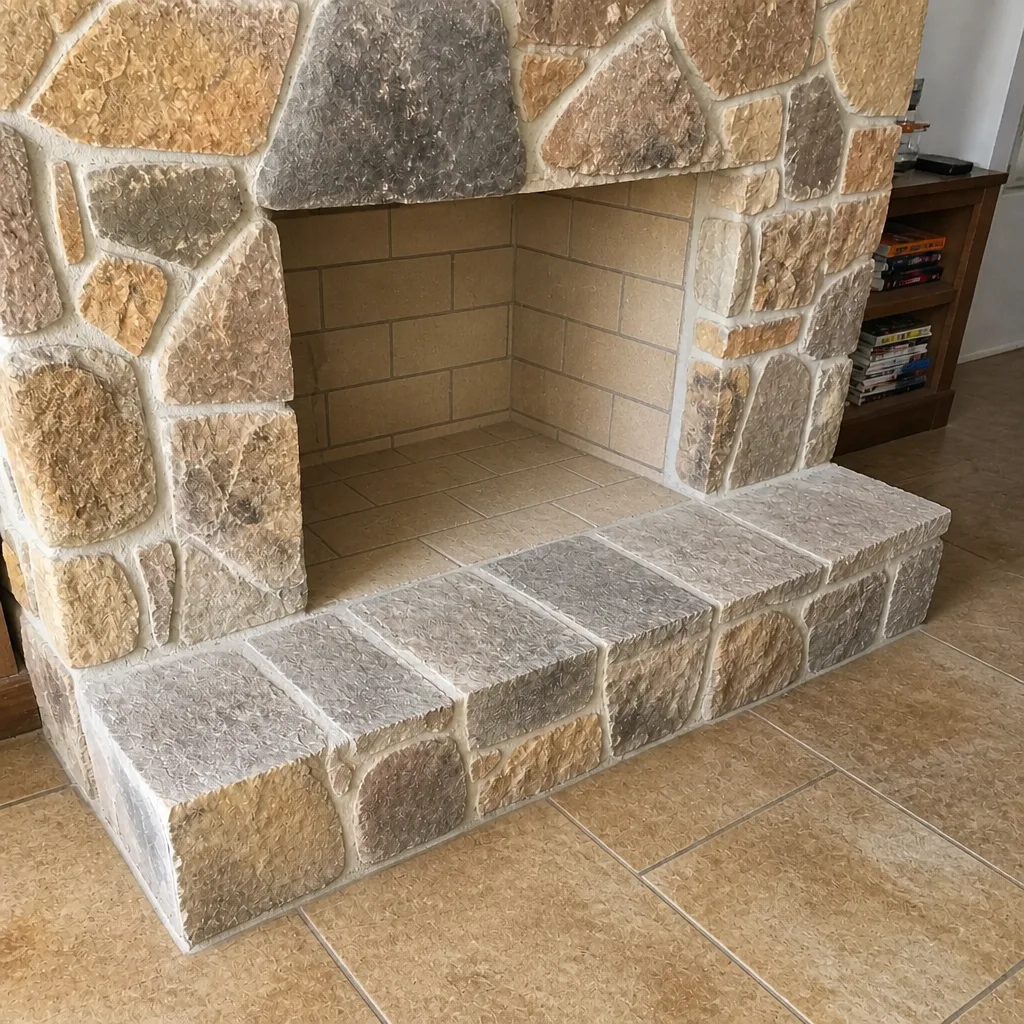
See the difference
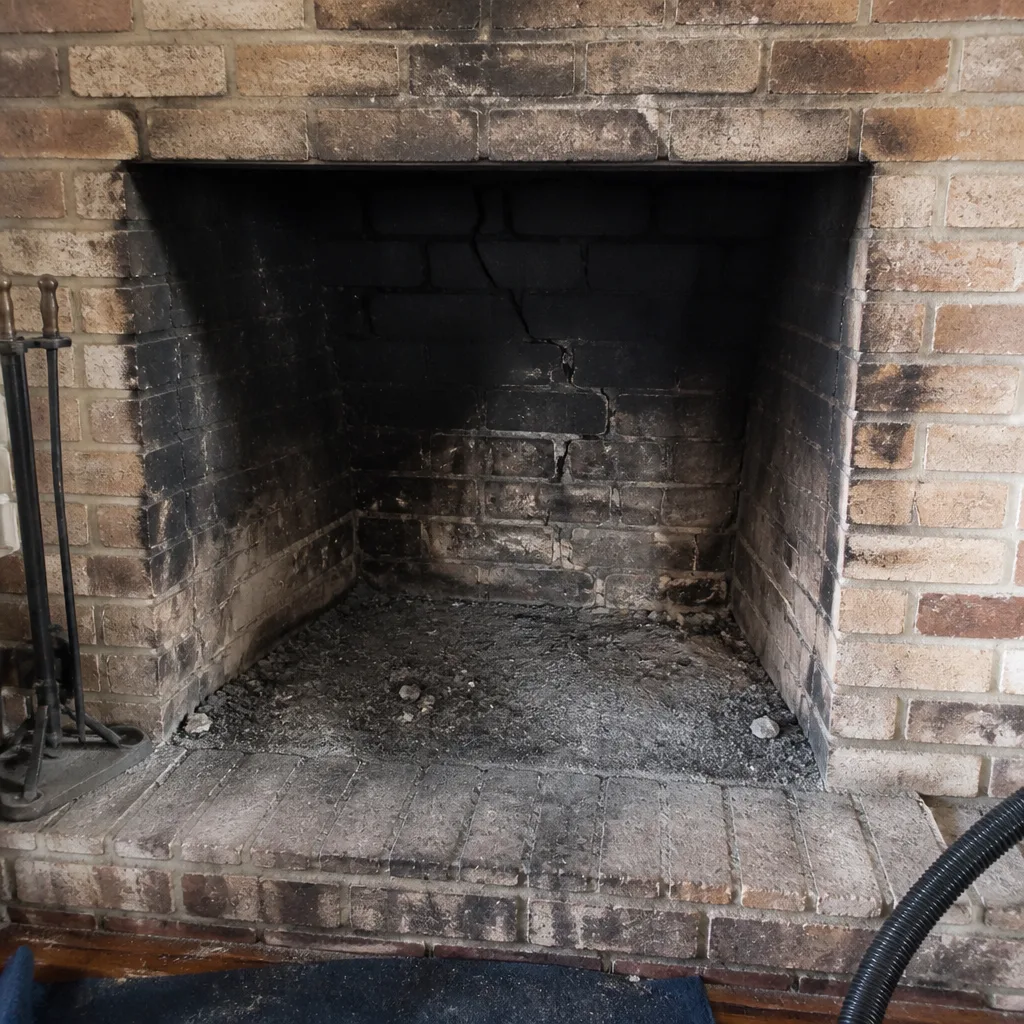 Before
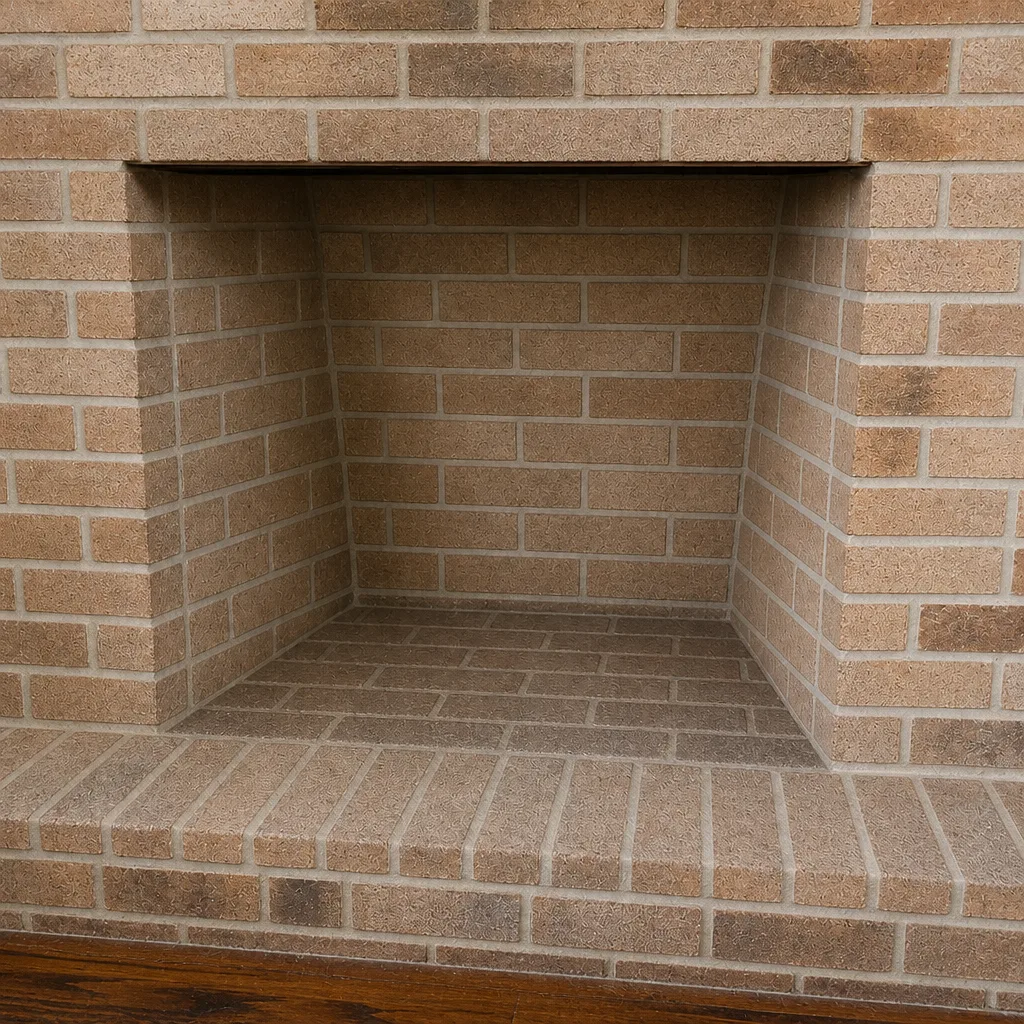 After
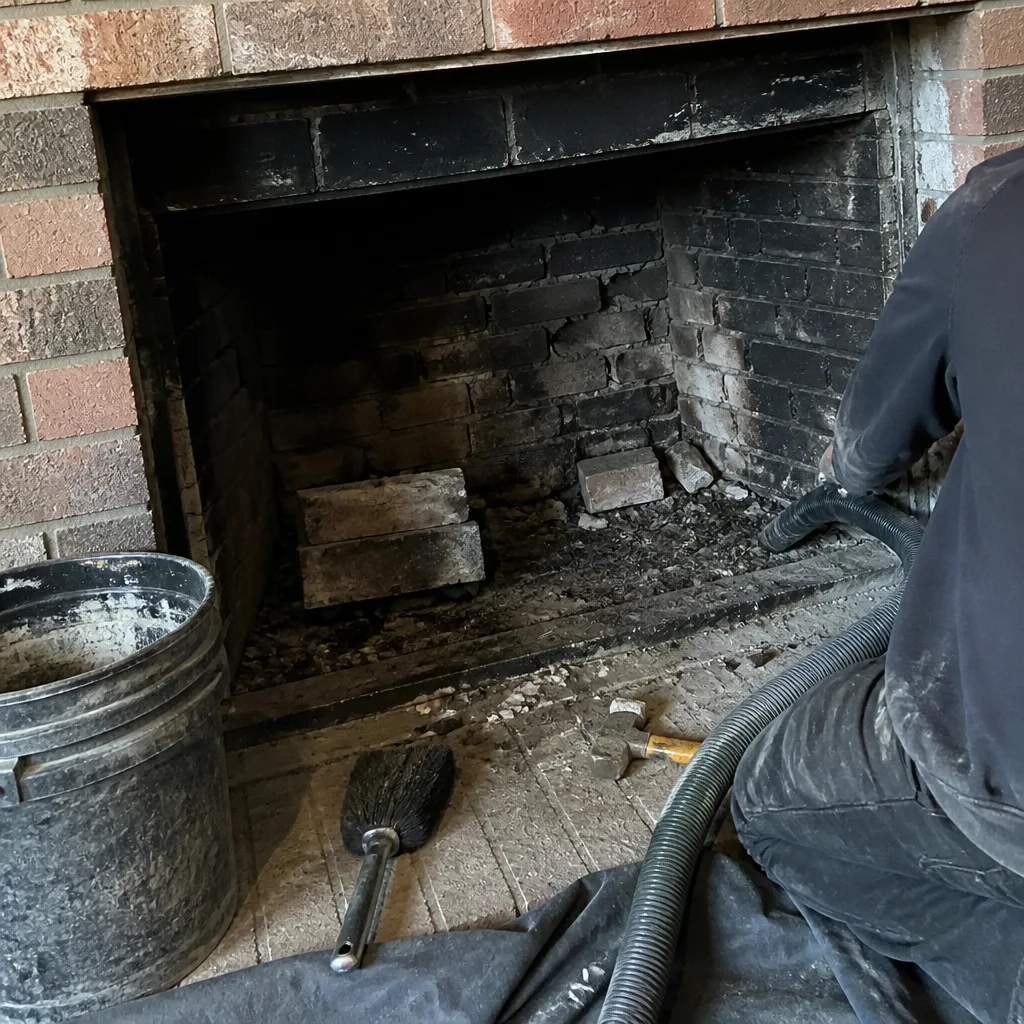 Before
 After
 Before
 After
When to Call a Professional
Call a professional if you’ve never had your chimney inspected and you’ve been burning wood, if your last inspection was more than a few years ago, or if anything in this guide left you uncertain which side of the permit line you’re on. Call immediately if you’ve had a chimney fire, if the firebox walls or liner look damaged, or if you’re getting soot back through the firebox, smoky smells, or CO detector alarms. Before selling a home, a Level 2 inspection is worth doing for the paper trail alone. Chimney Sweep Amarillo offers free estimates in Amarillo. Call (888) 527-6071. We answer 24/7. Fast dispatch from 7am to 7pm, Sunday through Friday.
Frequently Asked Questions
No. Routine chimney cleaning, which means sweeping the flue and firebox, is maintenance and normally doesn’t require a permit from the City of Amarillo. If the sweep turns up a repair that changes the liner, the firebox, or the appliance, that repair almost always does require a permit. Call (888) 527-6071 for an exact quote on either – estimates are free.
In most Texas jurisdictions, yes. A liner replacement is a change to a chimney component, not a cleaning, and the IRC treats it like a component replacement. In Amarillo, the practical step is to confirm with the City of Amarillo building department and to have the contractor pull the permit in writing. If nobody is pulling it, that’s a red flag. Call (888) 527-6071 if you want us to look at what your job involves – estimates are free.
Very few homeowners need all three. Level 1 is a routine visual inspection during a sweep, recommended annually. Level 2 is a more detailed inspection that includes the interior flue surfaces and connected appliance, recommended after a structural change, a chimney fire, or a home sale. Level 3 opens walls or removes parts of the chimney and is only needed when a Level 1 or 2 identifies a hazard. Call (888) 527-6071 for an exact quote – estimates are free.
Call the City of Amarillo building department and ask whether a permit is on file for your address. A permit is a public record, so this isn’t a secret. Also keep the signed agreement, permit number, and final inspection record in one folder; if the city can’t confirm a permit exists, the work wasn’t permitted, and the paperwork will tell you that. Call (888) 527-6071 if you’d like a second opinion on a permit-flagged job – estimates are free.
Often, yes. Systems like HeatShield resurface a damaged liner instead of removing it entirely, and that saves meaningful cost compared to a full reline. Whether it fits your chimney depends on the structural condition of the flue and what the inspection shows. A camera inspection plus a written assessment is the right starting point. Call (888) 527-6071 for an exact quote – estimates are free.
Yes. A new wood stove, insert, or vented gas appliance is a new appliance installation, and that’s regulated work. The IRC covers venting requirements and clearances, and the City of Amarillo administers the permit and inspection. Avoid buying the appliance before the venting plan is reviewed, because the liner requirements depend on the appliance. Call (888) 527-6071 for an exact quote – estimates are free.
The Bottom Line
Cleaning doesn’t need a permit. Structural repairs usually do. The line between the two is worth knowing because it’s the line between a documented job and one that answers awkward questions later. In Amarillo, the sweep, the inspection, and the repair can all run through a single team if the contractor is set up to do all three. When you’re hiring, ask what needs a permit, get the answer in writing, verify the permit with the city, and keep the paperwork. The brands behind the repair matter too. We work with DuraFlex, Olympia Chimney, Gelco, Famco, Copperfield, and HeatShield because they hold up in the conditions Amarillo chimneys actually see. If you’re not sure where your job falls, ask. Chimney Sweep Amarillo handles the whole job – Chimney Sweep Amarillo service, inspection, and repair – and we’ll tell you plainly when work can safely wait.
Call (888) 527-6071 for a free estimate. We answer 24/7. Fast dispatch from 7am to 7pm, Sunday through Friday. One call covers the sweep, the inspection, and the fix.
Written by the team at Chimney Sweep Amarillo.