
Last updated November 16, 2026
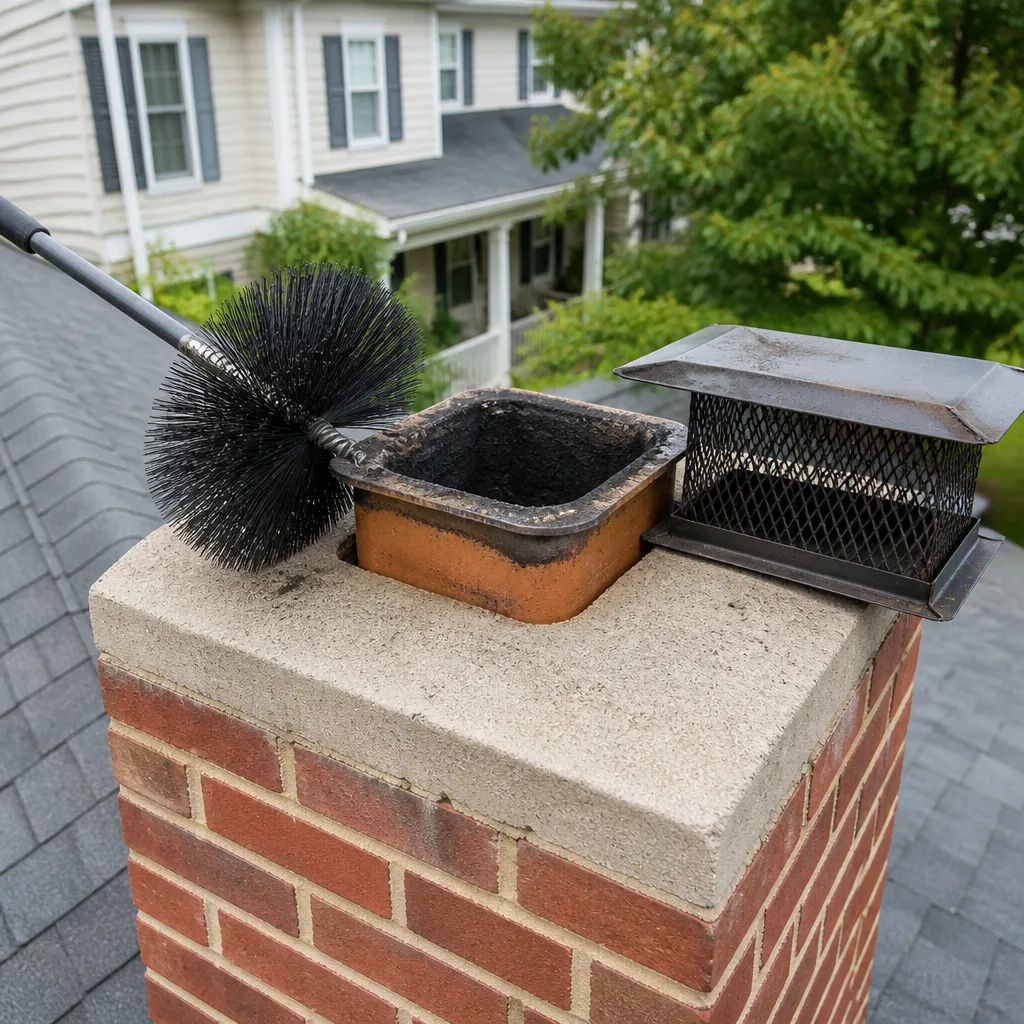 Sweep & inspection
 Caps & crowns
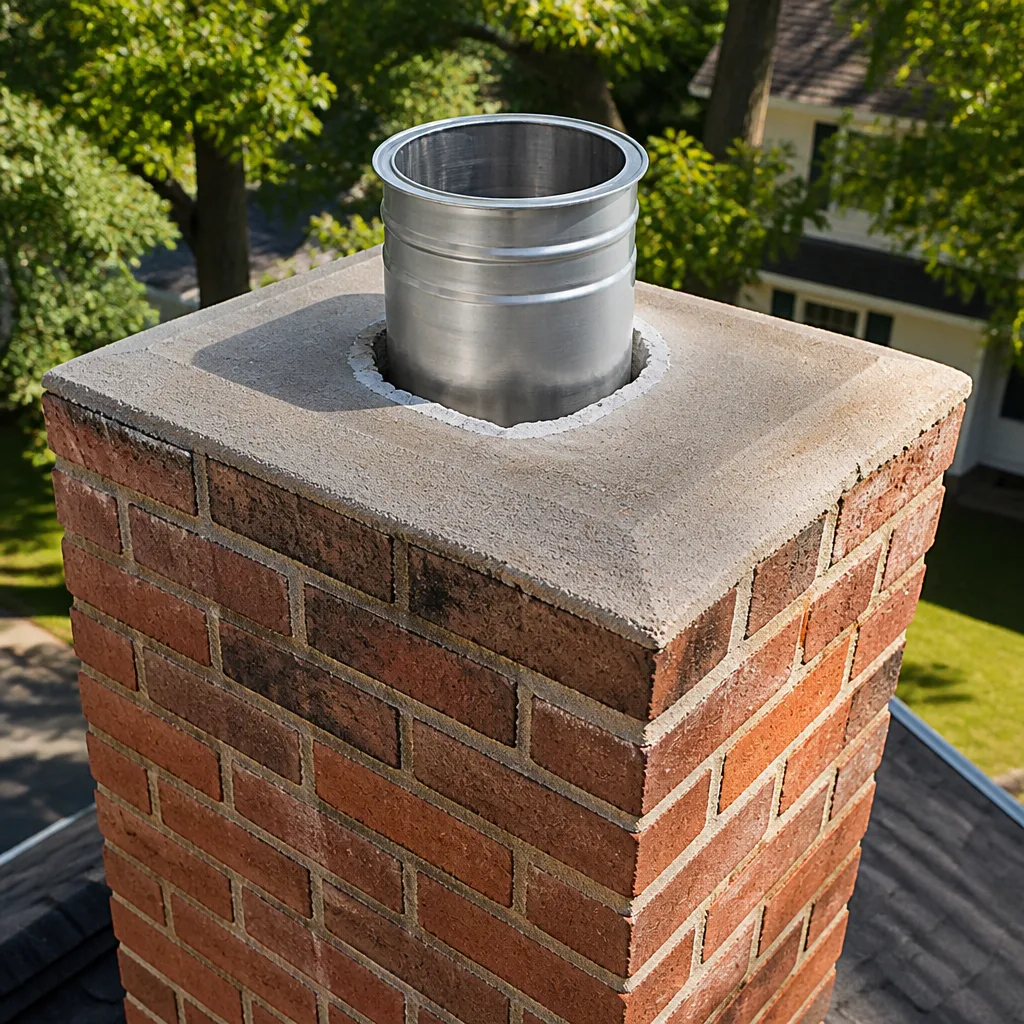 Flue relining
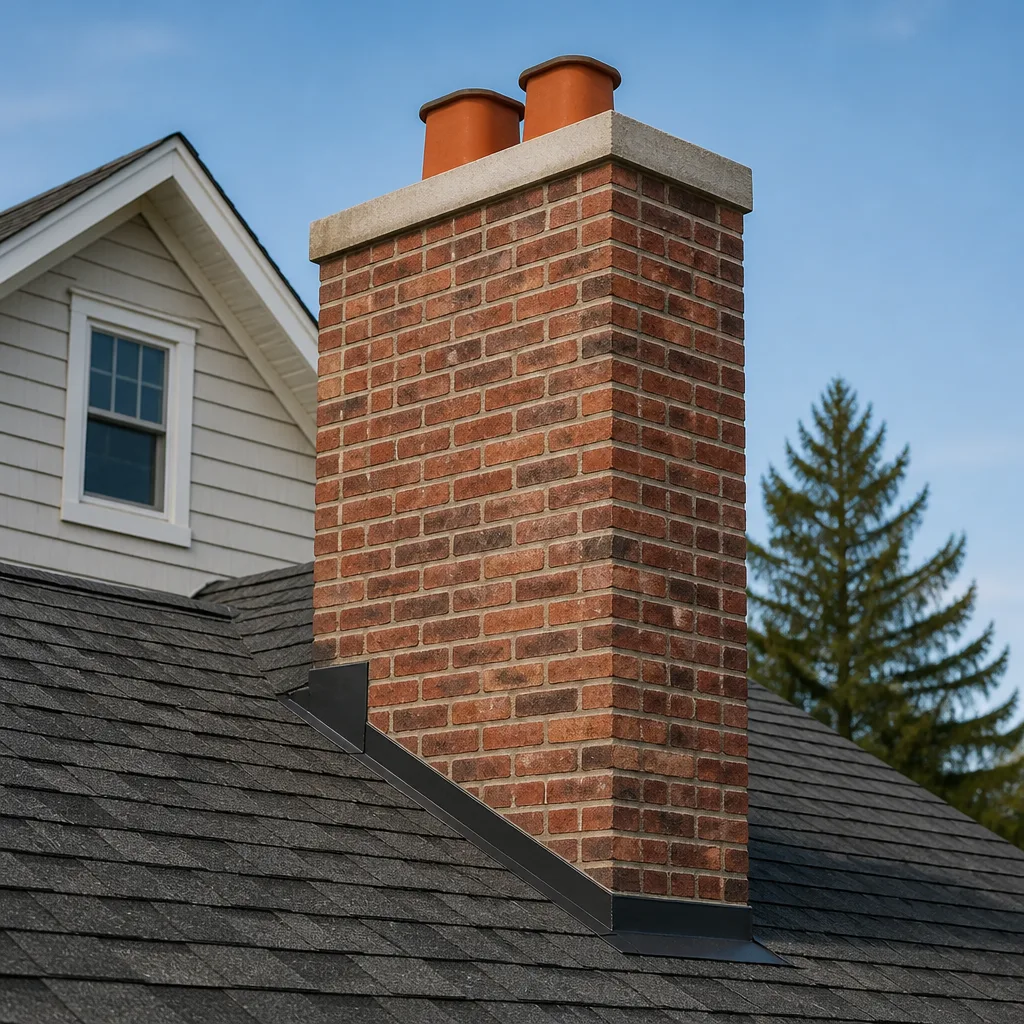 Masonry repair
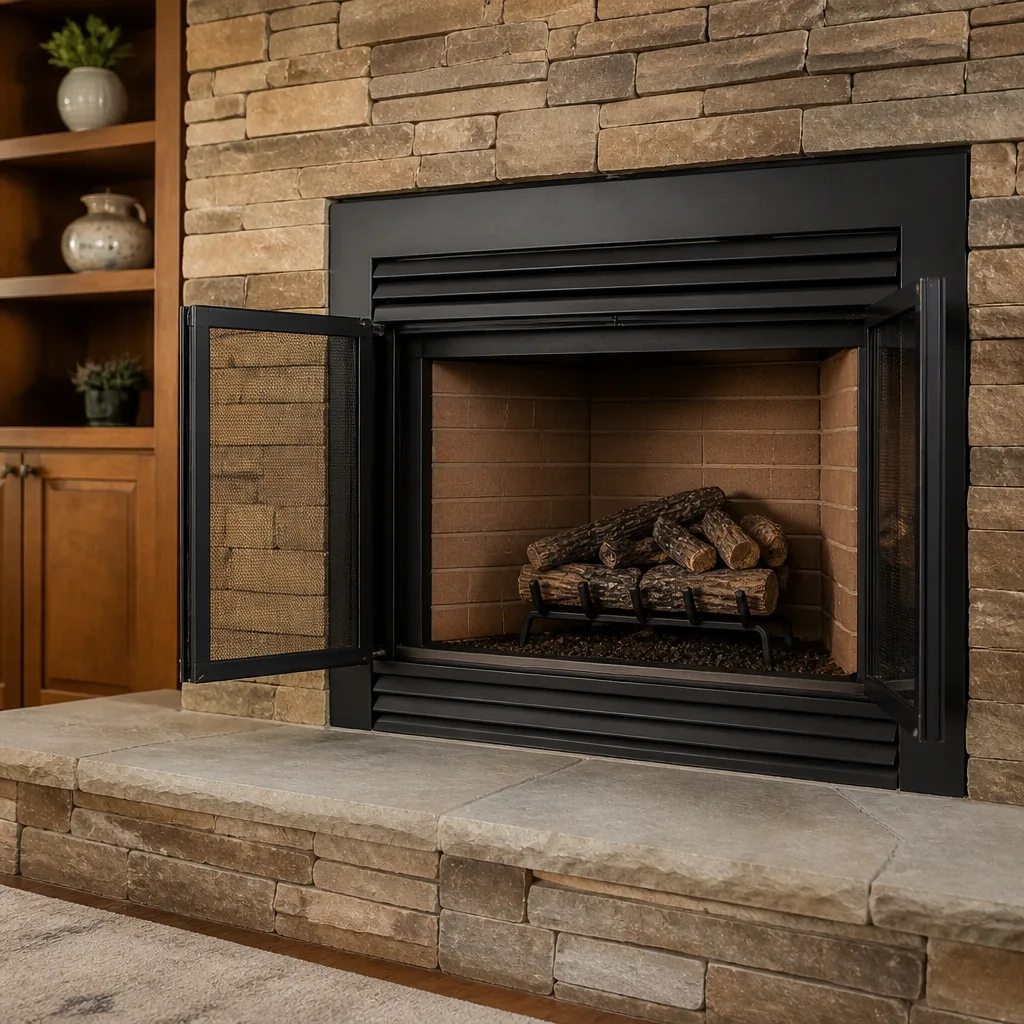 Gas fireplace service
Level 1 sweep and inspection to the NFPA 211 annual standard - flue, crown, cap, and flashing checked and photographed
Chimney sweep logs do not sweep chimneys. They loosen some creosote - which then falls where a brush and vacuum still have to collect it.
Choosing the Right Chimney Cleaning Brand: A Buyer’s Guide for Amarillo
A chimney crown coated with roofing tar looks the same as one coated with a proper crown sealant on the day of installation. Two Amarillo summers later, they look very different. One is intact, shedding water the way it should. The other is cracked, peeling, and letting moisture into the masonry below. That gap between what looks finished and what holds up is the whole reason this guide exists. Most homeowners never think to ask which products a chimney contractor uses. That single question tells you more about the standard of work than any brochure. Here’s what to ask, what the answers mean, and how to tell professional-grade materials from whatever ships fastest.
Quick Answer
The right chimney cleaning brand is less about the company name and more about the products that company uses. In Amarillo, a contractor who works with industry-recognized liner systems, crown sealants, and creosote treatments – brands like HeatShield, DuraFlex, Olympia Chimney, and Gelco – is signaling that repairs are built to last through the region’s temperature swings. A contractor who can’t name their products, or sources from a hardware store shelf, is a warning sign worth taking seriously.
Styles & brands we work with
- Sweep & inspection
- Caps & crowns
- Flue relining
- Masonry repair
- Gas fireplace service
Table of Contents
- Why Product Brands Matter in Chimney Work
- The Three Product Categories That Matter Most
- HeatShield and the Cost of Getting Relining Wrong
- Liner Systems: DuraFlex, Olympia Chimney, and Custom Fits
- How to Ask a Contractor What They Use
- Professional Stock Versus Hardware Retail Sourcing
- Parts Substitution and the Full-Service Advantage
- Common Mistakes to Avoid
- When to Call a Professional
- Frequently Asked Questions
Why Product Brands Matter in Chimney Work
A chimney is one of the few parts of a house that handles fire, corrosive flue gases, and weather all at once. The materials that go into it get tested against all three. That’s why the brand on the bucket or the liner matters. A sealant formulated for chimney crowns expands and contracts with the masonry. A generic patch doesn’t. A stainless liner built to a specific alloy standard holds up to flue gas condensation. A discount liner may not.
In Amarillo, the swing between a hot summer afternoon and a cold winter morning is wide, and it happens repeatedly through the year. Masonry and metal both move with those swings. Materials that stay flexible or that are engineered for thermal movement survive the cycle. Materials that go brittle don’t. When we evaluate which products to work with, that climate is the test we have in mind.
Brand specificity also tells you something about how a contractor runs their business. A sweep who names their liner system, their crown coating, and their creosote treatment has made choices. They’ve compared products, read the technical data, and committed to a standard. A sweep who says “we just use what works” hasn’t. In our experience, that vagueness usually traces back to buying whatever is cheapest that week.
What brand specificity actually signals
- Training: Some products, HeatShield among them, require certification to apply. Naming the brand means the contractor invested in that training.
- Supplier relationships: Professional-grade materials come through specialty suppliers, not the local hardware aisle. A contractor with those relationships can get the right part quickly.
- Warranty clarity: Recognized brands carry documented product warranties. Generic materials often don’t.
- Consistency: The same product on every job means predictable results. A contractor who switches products job to job is experimenting on your chimney.
The Three Product Categories That Matter Most
Chimney work touches dozens of small components, but three categories carry most of the risk when corners get cut. Ask about these specifically.
1. Liner systems
The liner is the flue’s inner wall. It carries smoke and gas out of the house and keeps heat away from framing and masonry. When a liner fails, the fix is a reline or, in some cases, resurfacing. The product line here is the single biggest cost and safety variable in chimney repair. Stainless systems like DuraFlex and Olympia Chimney are the professional standard for replacements and new installs.
2. Crown sealants and top-of-chimney protection
The crown is the concrete cap on top of the chimney. It sheds water away from the masonry below. A failed crown lets water in, and water in masonry leads to spalling, cracked flue tiles, and rusted dampers. Flexible crown coatings outperform rigid patching because they move with the crown instead of cracking away from it. Caps and venting components from Gelco handle the other half of top-of-chimney protection: keeping rain, animals, and downdrafts out of the flue.
3. Creosote treatments
Creosote is the tar-like residue wood smoke leaves inside the flue. It’s flammable, and it comes in stages from soft soot to a hardened glaze that’s difficult to remove. Chemical treatments help loosen glazed creosote so it can be swept out. Professional-grade treatments are formulated for chimney use; household substitutes aren’t, and some can damage the flue.
Why Amarillo homeowners should care about all three
Each category fails in a different way. Liners fail from heat and condensation. Crowns fail from sun and temperature swing. Creosote builds up from how the fireplace is used. A contractor who only handles one category leaves you to find someone else for the other two, and that handoff is exactly where cheap materials sneak into a job.
HeatShield and the Cost of Getting Relining Wrong
HeatShield is a chimney resurfacing system. Instead of installing a new stainless liner, the technician applies a specialized compound to the inside of the existing flue, rebuilding the damaged surface from the inside out. It’s a recognized method for restoring a flue that’s cracked or deteriorated but still structurally sound. Not every chimney company is equipped or certified to apply it.
Why it matters: a full reline is a significant expense. HeatShield resurfacing often restores a flue at a fraction of that cost, and it’s appropriate for a specific set of conditions. The catch is that it has to be applied correctly, by someone trained on the system, to a flue that qualifies. Applied to the wrong flue, or applied poorly, it doesn’t hold.
When HeatShield makes sense
- The flue has cracks, gaps, or surface deterioration but the overall structure is sound.
- The flue is the right size and shape for the resurfacing system.
- The chimney is serving an appliance compatible with the restored flue.
- A camera inspection confirms the damage is within the range the system can repair.
That fourth point is the one to hold onto. Nothing gets recommended at your house without camera evidence you can see for yourself. If a contractor tells you that you need a full reline, ask to see the camera footage. If they can’t produce it, get a second opinion. A resurfacing option exists precisely because some flues that get quoted for full relines don’t need one.
In our experience, the Chimney Safety Institute of America’s training materials reference specific product categories like this for a reason. Recognized systems come with documented performance data. That documentation is what backs a repair when something goes wrong later.
Liner Systems: DuraFlex, Olympia Chimney, and Custom Fits
When a liner has to be replaced, two things determine whether the job goes well: the alloy and the fit. Stainless liner systems like DuraFlex and Olympia Chimney are engineered for chimney conditions, with alloy grades matched to the fuel type and appliance. DuraFlex systems are known for flexibility, which matters when the flue has an offset or an unusual shape. Olympia Chimney systems cover a range of standard and custom configurations.
Fit is where generic liners fall short. A chimney flue isn’t always a clean rectangle or a perfect circle. Older Amarillo homes sometimes have flues with offsets, irregular mortar joints, or original tile that’s shifted over the decades. A liner that doesn’t match the flue either won’t go in or won’t insulate properly. Custom-fit systems solve that. Off-the-shelf rigid sections don’t.
How a liner replacement typically goes
- The technician inspects the flue with a camera and measures it top to bottom.
- The existing liner is evaluated for removal or, in some cases, left in place as a base.
- The replacement system is sized and, if needed, custom-fabricated to match the flue’s dimensions.
- Insulation goes around the new liner, sized to the flue and the appliance.
- The liner is installed, connected at both ends, and verified with a follow-up look.
Notice step three. That’s where the brand shows up. A contractor working with professional liner systems can order a custom fit. A contractor buying from retail has fewer options, and the temptation is to force a standard size into a non-standard flue. That’s the kind of shortcut that shows up as a draft problem or a failed inspection a year later.
Caps and venting complete the picture. Gelco components handle the top of the chimney: keeping water out, keeping animals out, and managing draft. A liner is only as good as what’s protecting it from above.
How to Ask a Contractor What They Use
This is the part most homeowners skip because they don’t want to seem difficult. Ask anyway. A professional will welcome the question. Here’s a short set of questions to have ready, and how to read the answers.
What to ask
- “What liner system do you install, and why that one?”
- “What do you use for crown repair?”
- “Do you use a chemical treatment for glazed creosote, and which one?”
- “If my flue needs work, how do you decide between resurfacing and a full reline?”
- “Can I see the camera footage before you recommend anything?”
How to read the answers
- A specific brand name with a reason: good sign. The contractor has thought about it.
- “Whatever the supply house has”: neutral at best. Ask how they handle it when the part they want isn’t in stock mid-job.
- “We use the best”: evasive. Push for a name.
- “You don’t need to worry about that”: a red flag. The products on your chimney are your business.
- Willingness to show camera footage: strong signal. It means the recommendation is based on evidence.
You don’t need to become an expert on liner alloys. You need to hear a name, hear a reason, and see evidence. That’s enough to separate a professional from a generalist.
Professional Stock Versus Hardware Retail Sourcing
There’s a real difference between a contractor who buys professional-grade chimney materials and one who runs to a home improvement store the morning of the job. The difference isn’t snobbery. It’s suitability.
Retail shelves carry products designed for a broad range of household uses. Crown patching compound sold at retail is often a masonry patch, not a chimney crown coating. It goes on looking fine and then cracks away from the concrete as it cures through the first temperature swing. Sealants sold at retail may not be rated for the heat and chemical exposure inside a flue. Creosote treatments from a hardware store may be repackaged general-purpose cleaners with no data behind them for chimney use.
Professional materials come with documentation: temperature ratings, chemical resistance, application specs, warranty terms. In our experience, that documentation is what separates a repair that holds from one that looks finished on installation day and fails two summers later. When you compare chimney repair quotes, ask which products are specified in the written estimate.
Why the sealant choice matters more in Amarillo
Amarillo’s temperature swings put real stress on exterior chimney surfaces. A crown coating that stays slightly flexible through expansion and contraction is going to outlast a rigid patch, especially on a masonry chimney that takes full afternoon sun. That’s not a claim about any specific brand’s performance in Amarillo weather – it’s simply how the materials behave. The takeaway: ask what’s going on the crown, and prefer a product designed for the job over a general masonry patch.
Parts Substitution and the Full-Service Advantage
Parts substitution is when a contractor quotes one product and installs another because the original didn’t arrive in time, or was more expensive, or wasn’t ordered at all. On a chimney job, that can mean a liner of a different grade, a sealant of a different type, or a cap that doesn’t fit the flue right. The homeowner often never knows until something fails.
A contractor with established supplier relationships is less likely to run into that problem. When a supplier is a regular call, the right part is available when the job is scheduled. When the supplier relationship doesn’t exist, substitutions happen.
The other protection is single-company accountability. When the same company sweeps, inspects, and repairs, there’s no gap between “we found a problem” and “we fixed it.” There’s one estimate, one responsible party, and one set of products. A homeowner juggling an inspector and a separate repair contractor ends up as the middleman, and the materials decisions pass through hands that don’t have to live with the result.
The three core disciplines
- chimney sweep: creosote and soot removal, with the right brushes and, when needed, chemical treatment.
- Inspection: camera-based, documented, with footage the homeowner can see.
- Repair: liner systems, crown work, cap and venting, all from the same company.
One call covers the sweep, the inspection, and the fix. That’s the structure that keeps the products consistent from start to finish. You can learn more about how we approach all three at Chimney Sweep Amarillo.
Common Mistakes to Avoid
- Not asking what products will be used. Most homeowners ask about price and timeline and never ask about materials. Get the product name in the written estimate before work starts.
- Accepting an oral recommendation without camera evidence. If you’re told you need a reline, ask to see the footage. A recommendation you can’t verify is a recommendation you shouldn’t pay for until you can.
- Letting a generalist patch a crown with roofing tar. It’s a common shortcut, and it doesn’t hold. Ask specifically what’s going on the crown and why.
- Choosing the lowest bid without comparing materials. A quote that’s substantially lower than the others usually means a cheaper liner, a cheaper sealant, or a skipped step. Compare what’s specified, not just the total.
- Booking sweep and repair with different companies. It splits accountability and it makes parts substitution easier to hide. Keep the whole job with one company when you can.
- Treating a sweep as a routine errand. The sweep is also the inspection window. It’s the best chance to catch a cracked tile or a failing crown before it turns into a bigger repair.
- Skipping the question about creosote treatment. If the flue has glazed creosote, standard brushing won’t remove it. Ask what treatment the contractor uses and whether it’s rated for chimney use.
When to Call a Professional
Book a professional when you can’t remember the last sweep, when smoke backs into the room during a fire, when you smell a strong creosote odor on warm days, or when you’ve just gotten an inspection report from another contractor and want a second opinion on the recommended repair. Also call after any chimney fire, even a small one, because the flue needs to be inspected before it’s used again. And call before the burning season starts if you can, so any repair has time to be done properly rather than rushed. If you’re calling about a hardware-store fix that didn’t hold, that’s a conversation worth having too – a proper crown coating or liner repair is often less expensive than homeowners expect. Chimney Sweep Amarillo offers free estimates in Amarillo – call (888) 527-6071.
Frequently Asked Questions
Liner systems, crown sealants, and creosote treatments matter most. On the liner side, look for recognized systems like DuraFlex or Olympia Chimney; on the crown side, a proper chimney crown coating rather than general masonry patch; on the creosote side, a treatment formulated for chimney use. The brand matters less than the fact that the contractor can name it and explain why. Call (888) 527-6071 for an exact quote – estimates are free.
A typical chimney sweep is quoted per job, and the written estimate sets the final price. The quote should include what’s swept, what’s inspected, and which products are used if any treatment or repair is needed. Ask for the estimate in writing before the work starts. Call (888) 527-6071 for an exact quote – estimates are free.
Not always. A cracked or deteriorated flue can sometimes be restored with HeatShield resurfacing instead of a full reline, which saves significant cost. The decision depends on what the camera shows: the extent of the damage, the flue’s size and shape, and what the chimney serves. Ask to see the footage and ask whether resurfacing is an option for your flue. Call (888) 527-6071 for an exact quote – estimates are free.
It depends on how much you burn. A fireplace used regularly through the season needs a sweep more often than one used a few times a year. A reasonable rule is to have the flue inspected annually and swept when the inspection shows buildup. If you can’t remember the last time, that’s your answer. Call (888) 527-6071 for an exact quote – estimates are free.
Creosote builds up in the flue, and glazed creosote is flammable. A flue fire can damage the liner, the masonry, and the framing around the chimney. Separately, a failing crown or a cracked flue can let moisture and combustion byproducts into the house where they shouldn’t be. The hazards are real, but they’re also the kind that build slowly. A sweep and inspection catches them before they become a bigger repair. Call (888) 527-6071 for an exact quote – estimates are free.
Roofing tar is not a chimney crown coating. It looks finished on the day and then cracks away from the concrete as it moves through the year’s temperature swings, which is the wrong outcome for the part of the chimney that has to shed water. A product designed for chimney crowns stays flexible and bonds to the masonry. If a contractor proposes roofing tar, ask why. Call (888) 527-6071 for an exact quote – estimates are free.
The Bottom Line
Product brands are the quiet part of chimney work. They don’t show up in photos, and most homeowners never ask. But they’re the difference between a repair that holds through Amarillo’s temperature swings and one that peels off in two summers. Ask three questions: what liner system, what crown coating, what creosote treatment. Expect specific answers, and expect to see the camera footage before you approve any repair. A contractor working with recognized products, with established supplier relationships and in-house repair capability, can answer all three. That’s a solid standard to hold any chimney company to, in Amarillo or anywhere.
Call (888) 527-6071 for a free estimate. We answer 24/7. Fast dispatch from 7am to 7pm, Sunday through Friday.
Written by the team at Chimney Sweep Amarillo.
See the difference
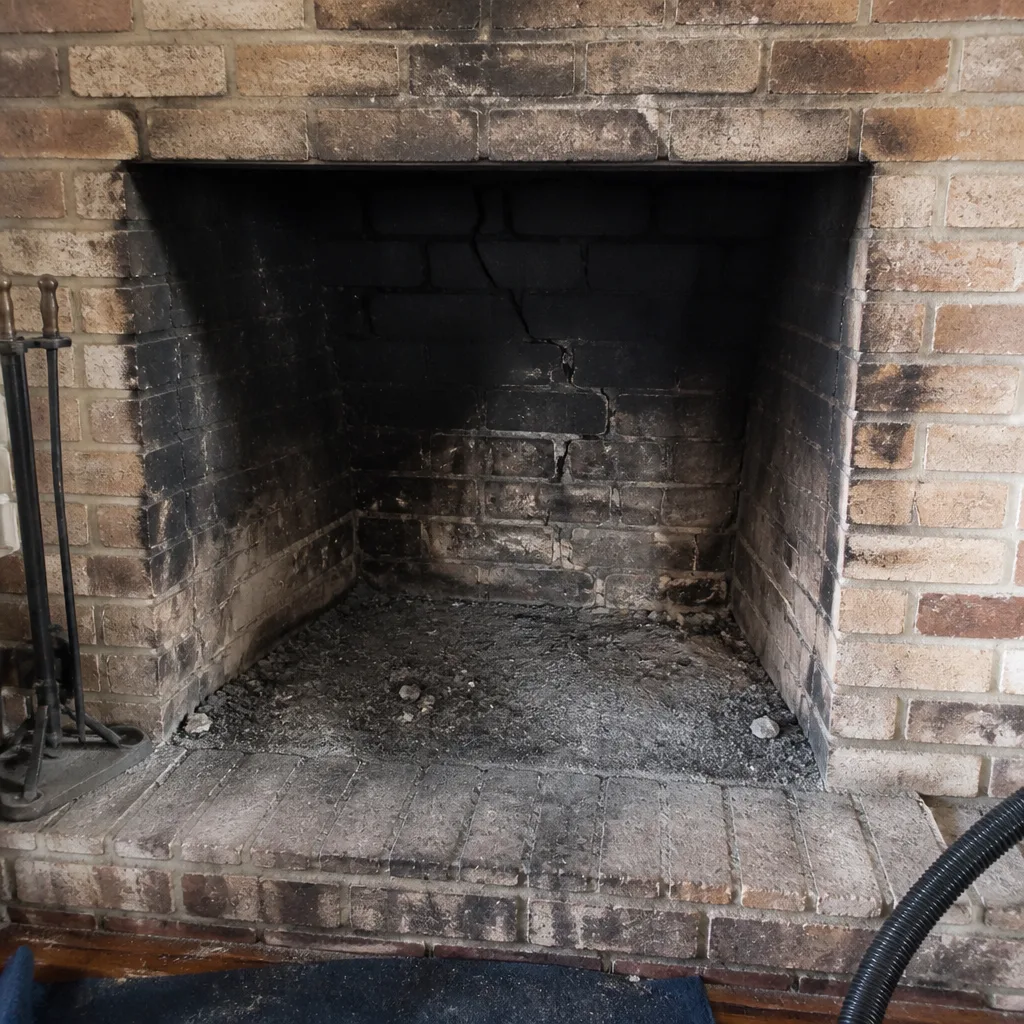 Before
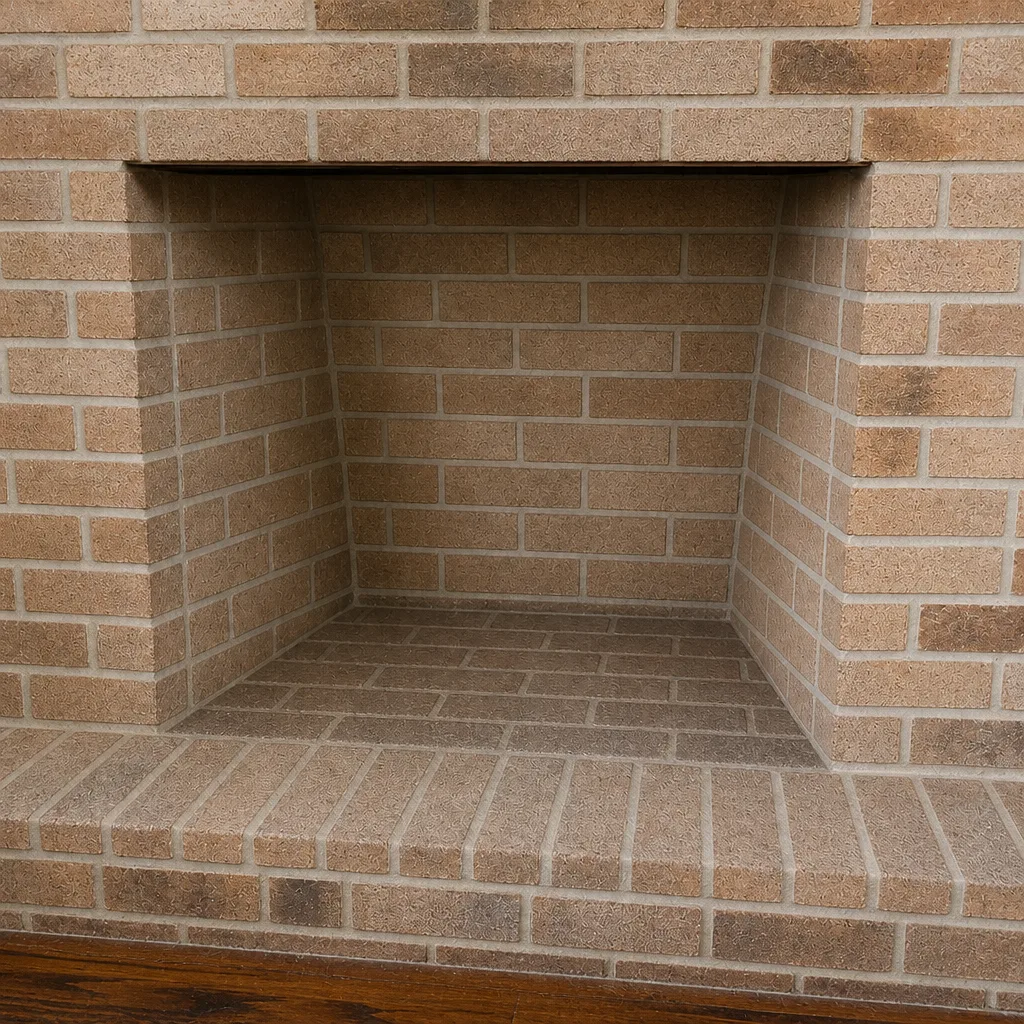 After
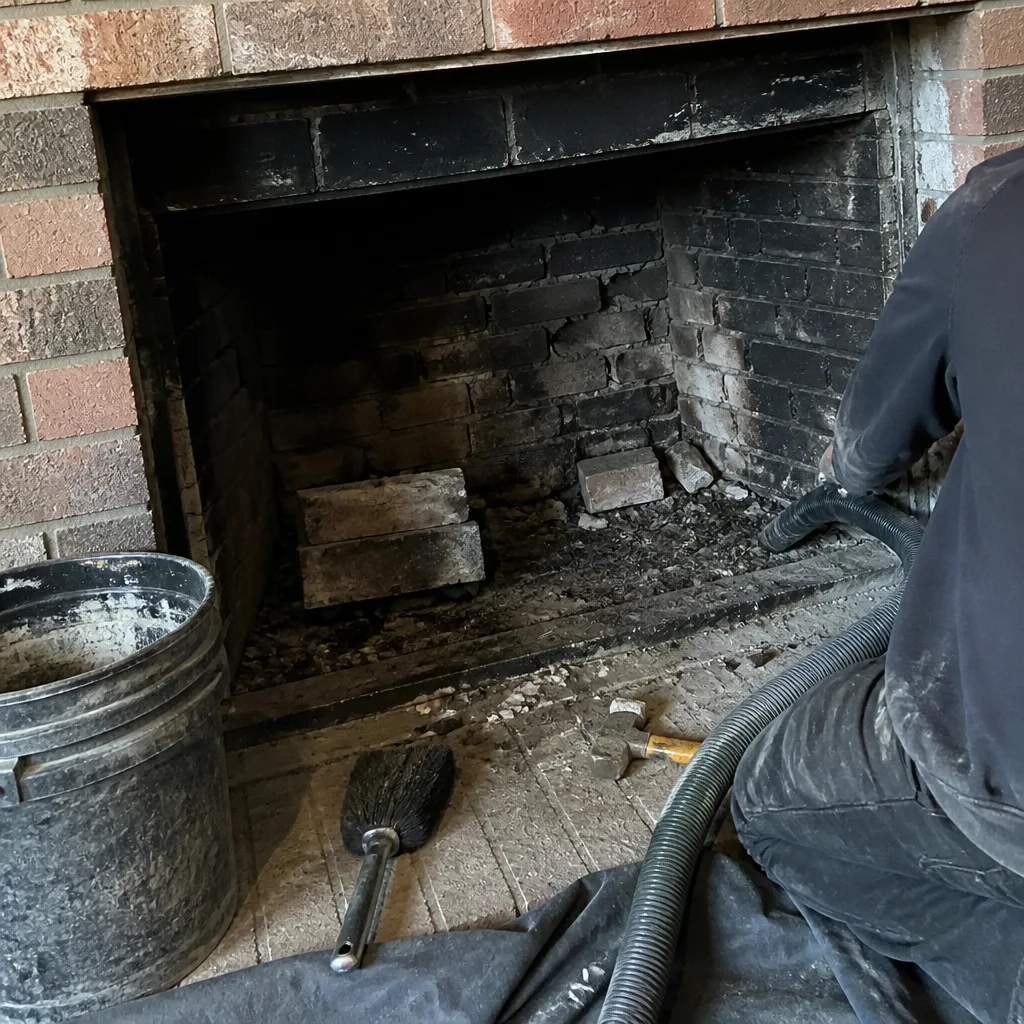 Before
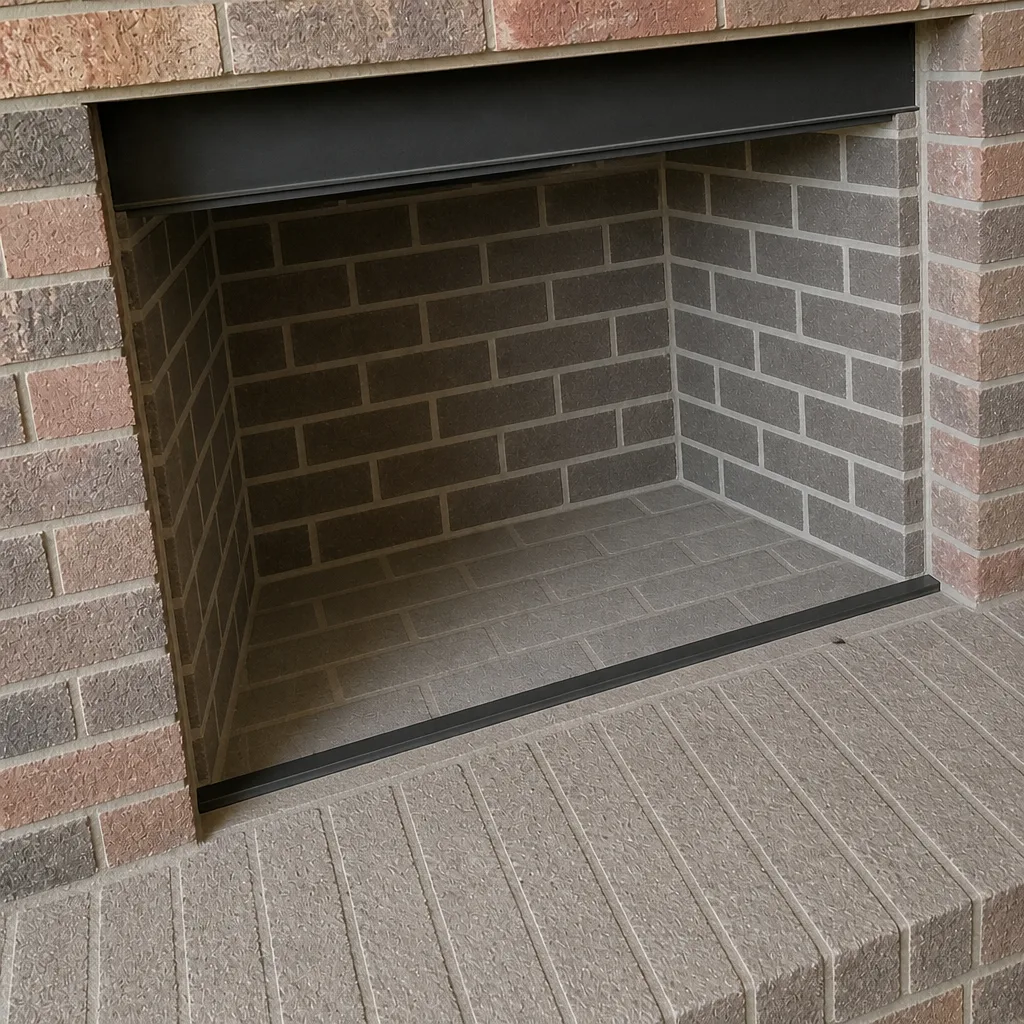 After
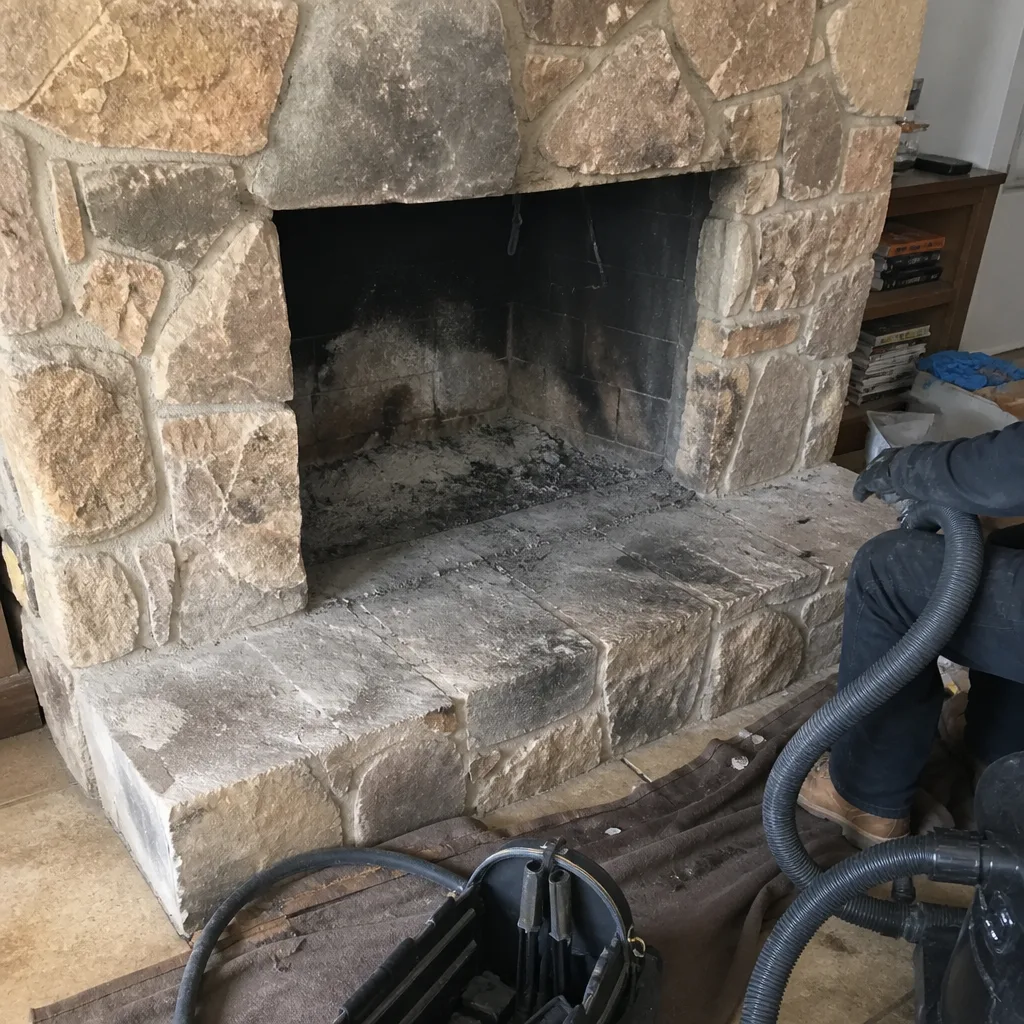 Before
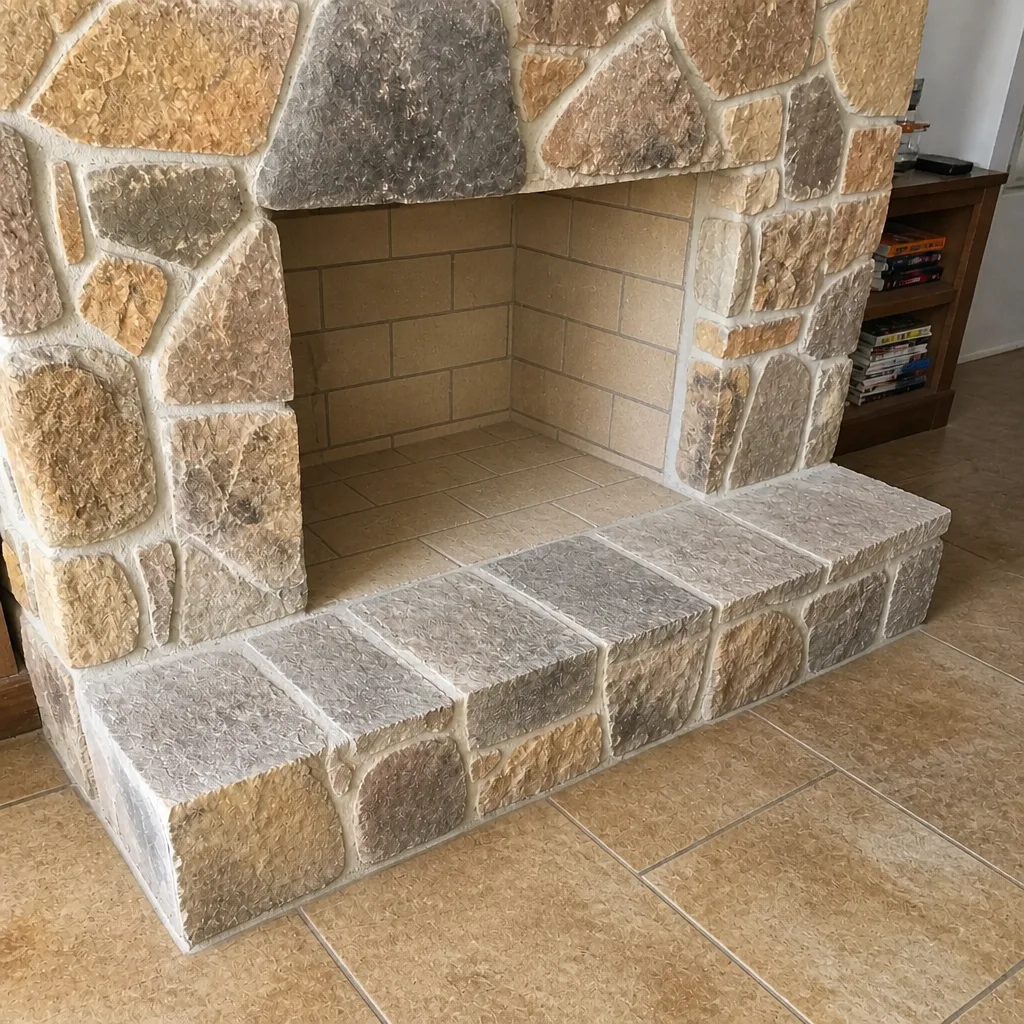 After