
Last updated November 16, 2026
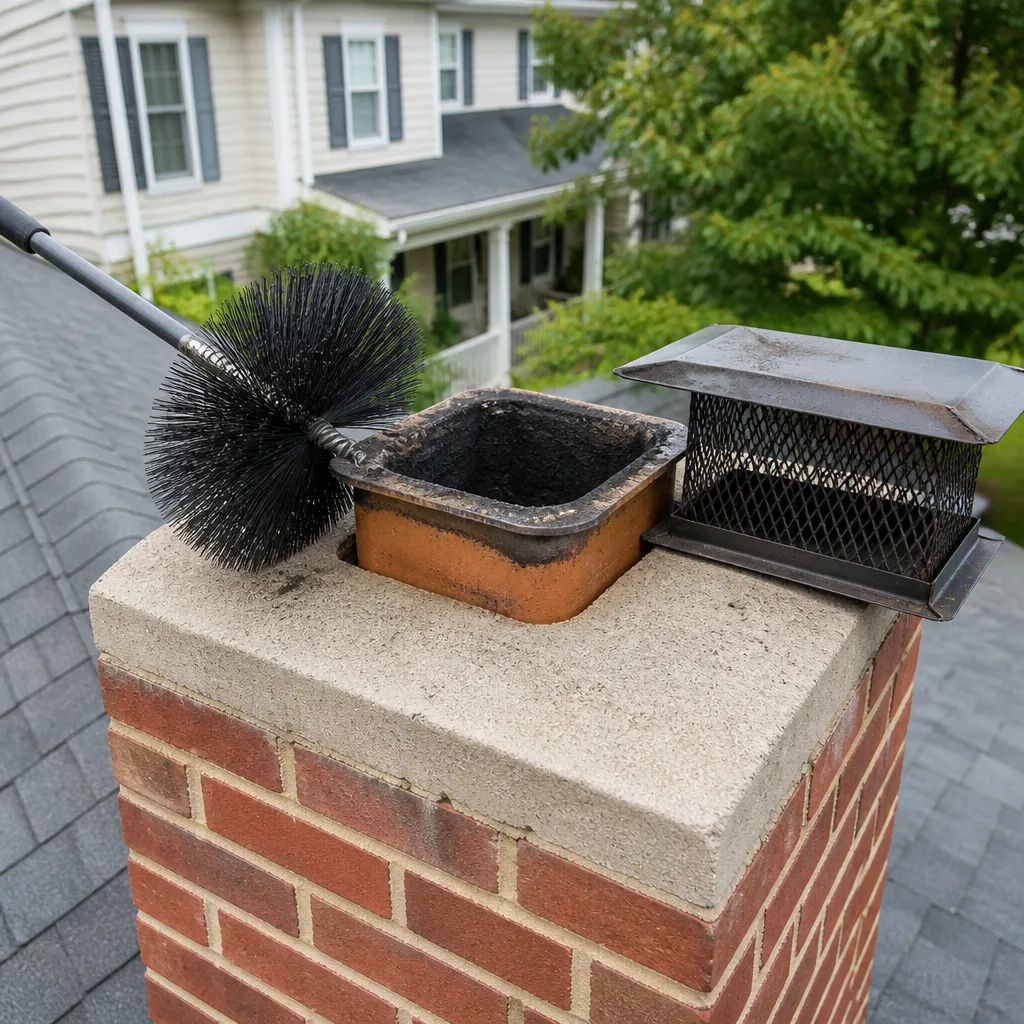 Sweep & inspection
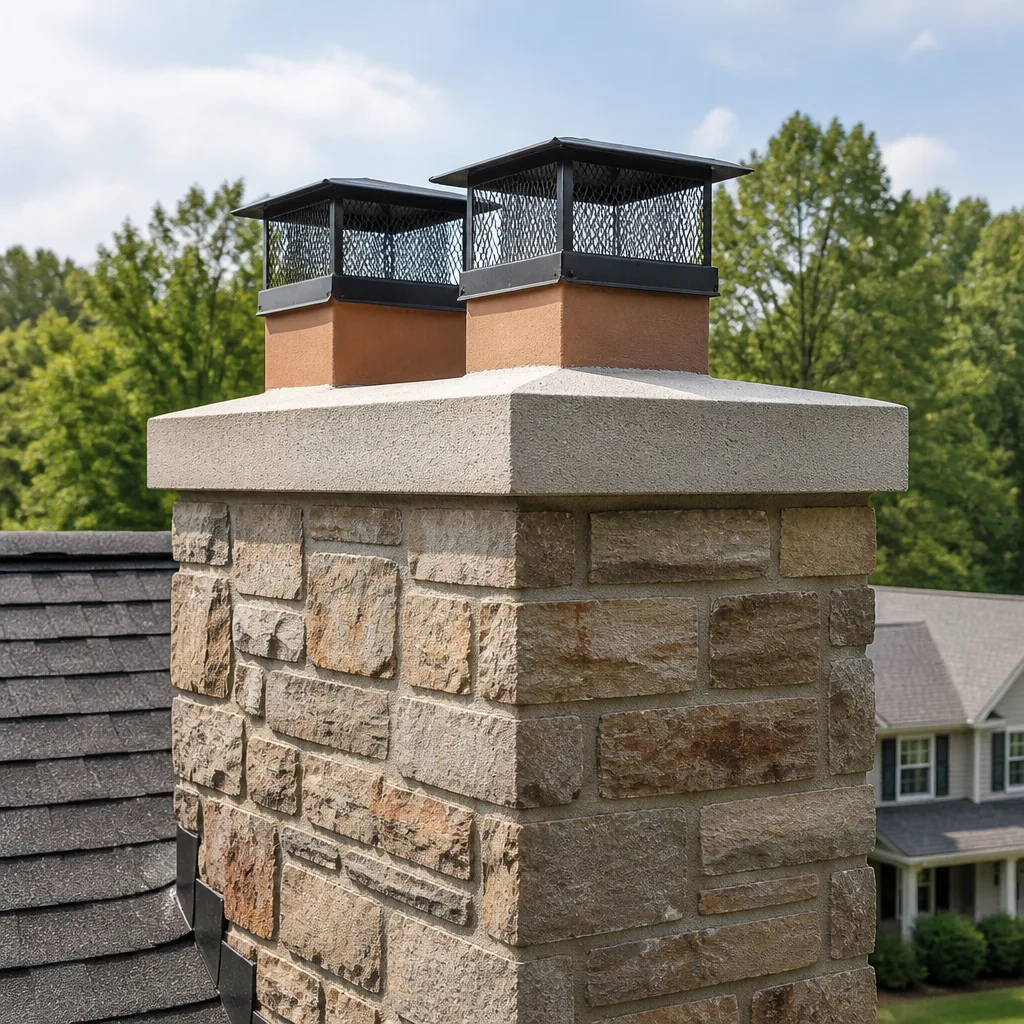 Caps & crowns
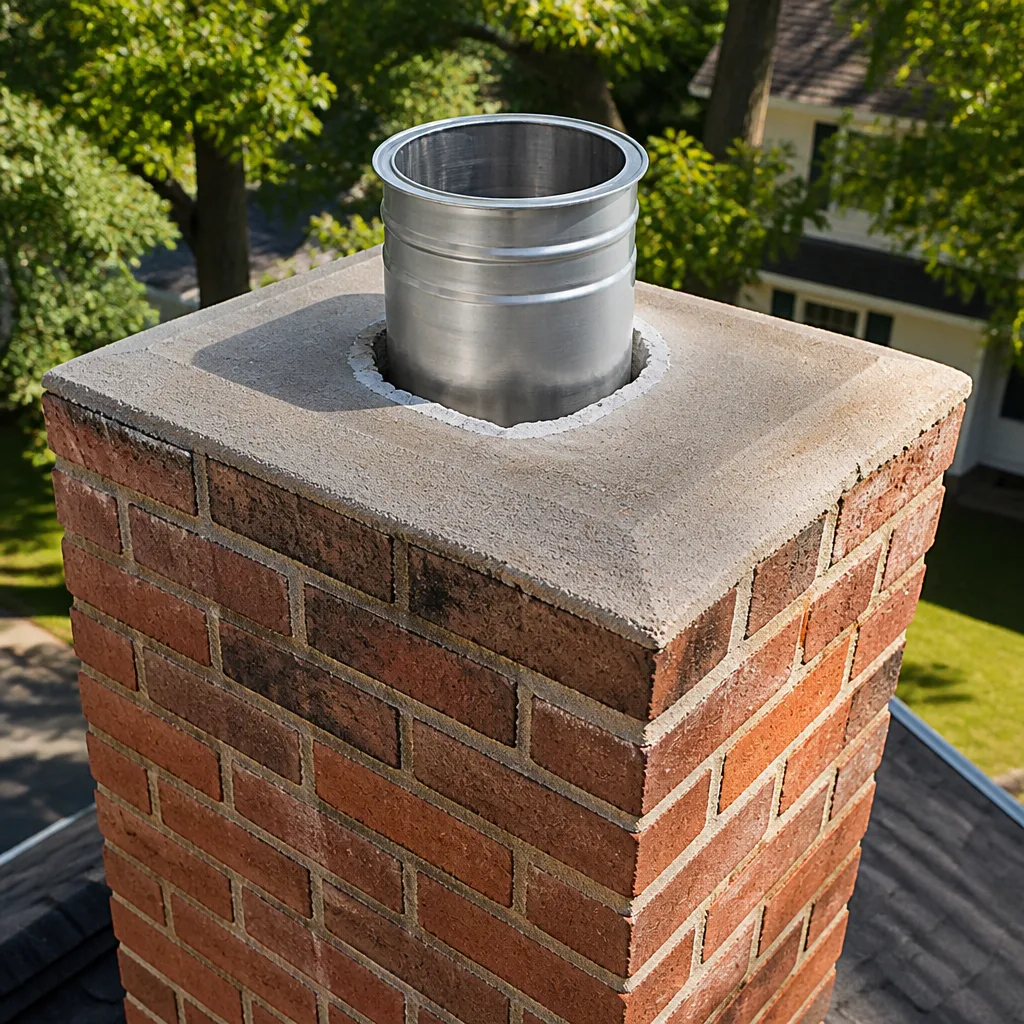 Flue relining
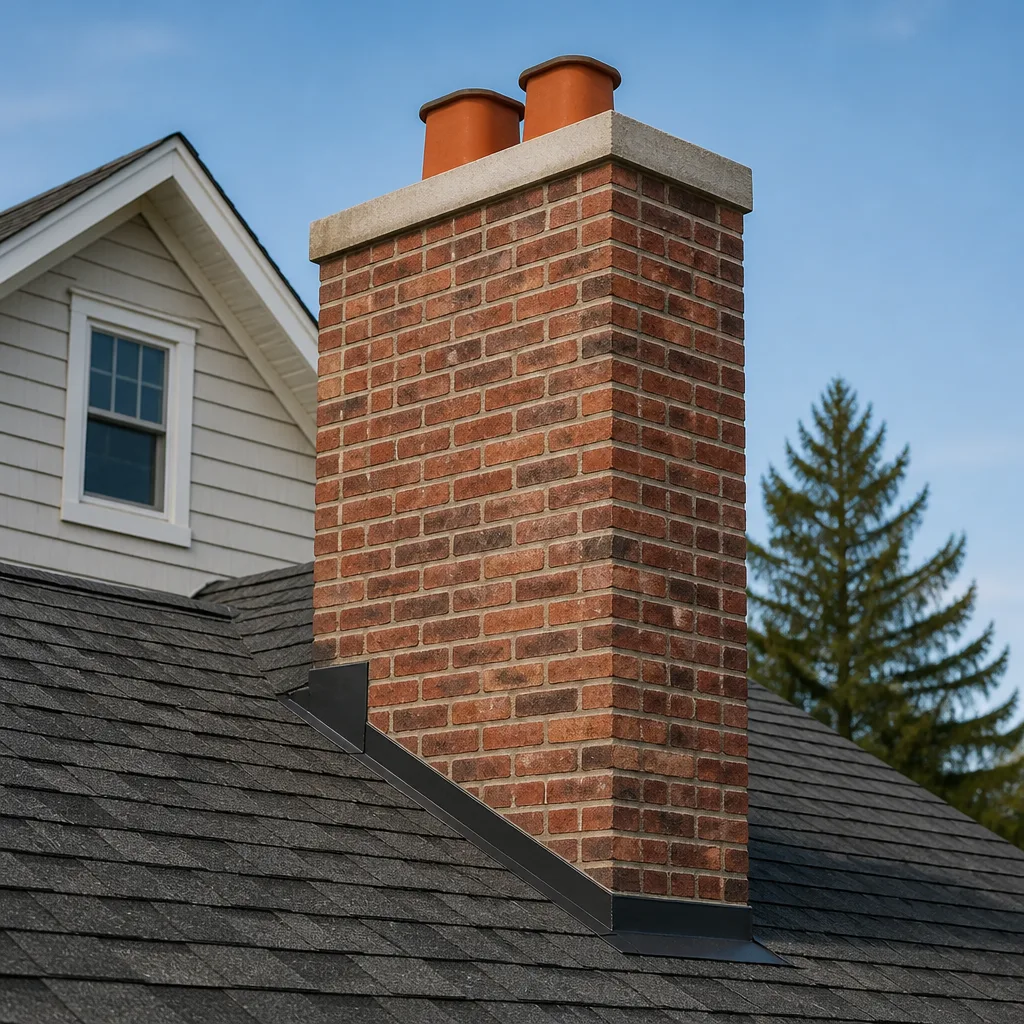 Masonry repair
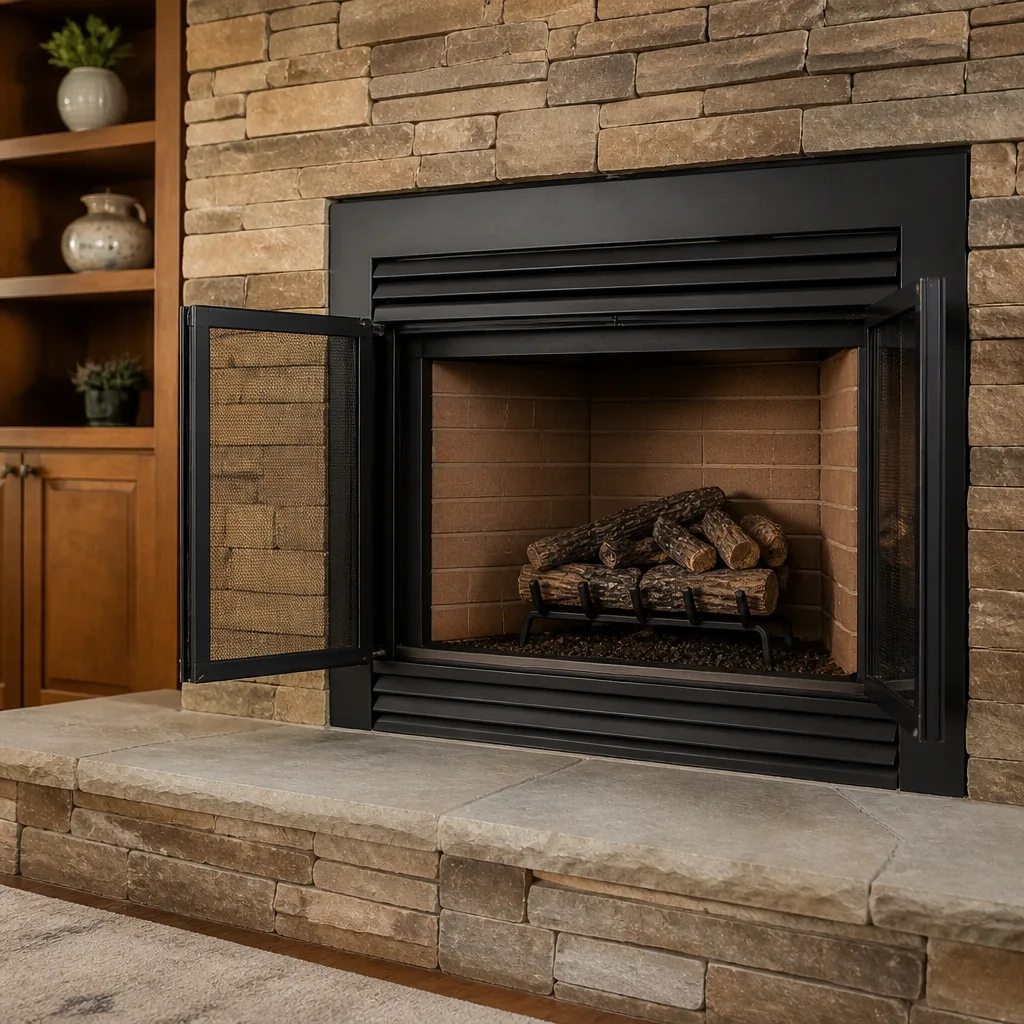 Gas fireplace service
Level 1 sweep and inspection to the NFPA 211 annual standard - flue, crown, cap, and flashing checked and photographed
Chimney sweep logs do not sweep chimneys. They loosen some creosote - which then falls where a brush and vacuum still have to collect it.
Chimney Sweep Troubleshooting in Amarillo: Common Problems and How to Fix Them
If your fireplace smokes into the room every time wind picks up from the southwest, that isn’t a draft problem. It’s a stack height or cap issue tied to how wind moves across the Texas Panhandle, and a can of sealant won’t touch it. Most of what homeowners describe as “chimney trouble” is actually a specific mechanical cause wearing a vague costume: a missing cap, a cracked crown, a flue tile that shifted, a damper that no longer seats. The trick is telling the symptoms apart before you spend money on the wrong fix. This guide walks through the problems we see most often in Amarillo, maps each symptom to its real cause, and separates what you can handle yourself from what needs a professional sweep.
Quick Answer
The most common chimney problems in Amarillo are smoke backdraft from prevailing winds, odors from creosote or moisture, slow draw from a blocked or undersized flue, and white staining from water getting into masonry. Fixes range from a wind-rated cap and damper adjustment (homeowner-level) to creosote removal, liner resurfacing, or masonry repair (professional-level). The right answer depends on whether the cause is airflow, water, or fire byproduct buildup – and a camera inspection is how you tell which.
Styles & brands we work with
- Sweep & inspection
- Caps & crowns
- Flue relining
- Masonry repair
- Gas fireplace service
Table of Contents
- Mapping Symptoms to Causes: The Troubleshooting Framework
- Backdraft and Wind-Driven Smoke: Why Amarillo Is Different
- Odors When the Fireplace Isn’t in Use
- Slow Draw and Poor Draft
- White Staining and Efflorescence on the Chimney
- Creosote Stages and Why They Change the Fix
- Clay Tile Liner Cracks: The Cosmetic Problem That Isn’t
- DIY vs. Professional: Where the Line Sits
Mapping Symptoms to Causes: The Troubleshooting Framework
Chimney troubleshooting works backward. You start with what you observe – smoke rolling out of the firebox, a smell in the living room on a hot day, water stains on the damper frame – and you work toward the mechanical cause that produces it. A chimney is a simple system: fire in, exhaust up, air in to feed it, water kept out. When any of those four functions breaks, the symptom shows up somewhere else.
Here’s the framework we use. Match the symptom on the left, and the likely cause on the right tells you what to check first.
- Smoke enters the room when wind is strong → stack height, cap style, or negative pressure from a nearby structure.
- Smoke enters the room regardless of wind → flue obstruction, closed or broken damper, or a flue that’s undersized for the firebox opening.
- Odor when the fireplace is idle → creosote residue, moisture in the flue, or a downdraft pulling air down the chimney.
- Slow draw, weak fire, smoke backing up → obstruction from soot or nesting, a flue with too much offset, or a house that’s too tight for the fire to draw combustion air.
- White, chalky staining on exterior brick → moisture migrating through masonry, often from a failing crown or a missing cap.
- Visible cracks in the firebox or flue tiles → heat stress or shifting, which means the flue needs a professional look before the next fire.
Two symptoms can share a cause, and one cause can produce multiple symptoms. That’s why an inspection that only looks at one thing – say, sweeping the flue but never checking the crown – misses half the picture. In Amarillo, our wind load and dry air mean the exterior envelope and top-of-chimney components get tested harder than most homeowners realize. The problems you feel inside usually start at the top or in the wall, not in the firebox.
What follows walks through each of these causes in detail, with the fix that actually addresses it.
Backdraft and Wind-Driven Smoke: Why Amarillo Is Different
Smoke that appears only when the wind picks up is a pressure problem, not a cleanliness problem. Sweeping won’t fix it. What’s happening is that the wind is creating a low-pressure zone on the leeward side of your chimney or roof, and the flue – instead of exhausting – gets pulled backward. Smoke follows the path of least resistance, and if that path is into your living room, you have a pressure problem.
Amarillo’s prevailing wind pattern from the southwest is the key variable here. A chimney in a calm climate can get away with a short stack and a decorative cap. In Amarillo, the same setup gets tested every time the wind turns. The fixes that work in still air often fail in a steady 20 mph crosswind.
The common causes of wind-driven backdraft are:
- Stack too short for the roof profile. A flue that terminates too close to the roofline sits in the pressure eddy that forms as wind rolls over the ridge. Raising the stack above the eddy usually solves it.
- The wrong cap. A flat or open cap does nothing to break up wind. A wind-baffling cap – a design that redirects airflow instead of catching it – addresses the specific problem. Gelco and Famco cap styles we work with include vane and baffle options built for gusty conditions.
- Negative pressure from the house itself. A tightly sealed house with a bath fan or range hood running can pull air down the chimney. The fire competes for combustion air and loses.
- Nearby obstructions. A taller structure, an addition, or a large tree upwind of the chimney changes the pressure field. If your chimney worked before a change to the property, that change is part of the answer.
The fix depends on which of these is happening, and the only way to know is to look at the termination from the roof while the wind is doing its thing. A cap and stack evaluation is a quick part of an inspection, and it’s the single most useful step for wind-driven backdraft in Amarillo.
Odors When the Fireplace Isn’t in Use
A cold fireplace that smells like smoke on a warm day is doing exactly what physics says it should. Chimneys exhaust because the flue air is warmer than the outside air; when the temperature inverts, the flue is cooler than the room, and the draft reverses. Air flows down the chimney instead of up, bringing creosote and soot smells with it. This is why the smell often shows up in spring and fall, when outdoor and indoor temperatures cross paths.
Amarillo’s swing between daytime heat and cool nights makes this pattern more visible than in places with a flatter temperature curve. If your fireplace smells on specific days, check whether those days share a temperature profile. You may find the pattern yourself. Still, smell without a seasonal cause points to something else:
- Creosote residue left from the last season. A clean flue has far less to smell. If it’s been more than a season since the last sweep, that’s the first place to look.
- Moisture in the flue or smoke chamber. Water mixed with soot and creosote produces the sharp, sour smell people describe as “old smoke.” The moisture source is usually a missing cap or a failing crown.
- Animal residue. Birds, squirrels, and chimney swifts can get into an uncapped flue. Their leavings leave a distinctive odor and, more important, an obstruction.
- Dead air in a cold flue. Some odor is normal in a cold, unused chimney. A top-sealing damper changes the airflow at the top of the stack and largely eliminates it.
The fix follows the cause: seal against moisture with a proper cap, remove the residue with a sweep, and block the downdraft with a top-sealing damper. What doesn’t work is spraying air freshener into the firebox. It masks the symptom without addressing the air path. For a broader look at how we handle these situations across the area, see our Amarillo service page.
Slow Draw and Poor Draft
A fire that struggles to draw, smolders instead of burning cleanly, or sends smoke into the room when you first light it usually has one of three problems: an obstruction, a flue that’s too small or too tall, or a house that’s too tight for the fire to get the air it needs. The difference matters because the fixes are very different.
Obstructions are the most common. Soot, creosote, a broken damper blade, a nest, or a fallen flue tile all narrow the path. A camera inspection finds these quickly. A fire burning against an obstruction produces more creosote because the exhaust is cooler and slower. Under incomplete combustion, the flue also concentrates carbon monoxide, the invisible hazard every wood stove and fireplace owner should take seriously. That’s why an obstruction is always worth checking before the fire is lit again.
Flue sizing is a design question. The flue must be sized for the firebox opening and the height of the chimney. A fireplace with a wide opening feeding into an undersized flue will never draw well, no matter how often it’s swept. If your fireplace has always smoked and no amount of cleaning helps, the problem may have been built in.
Combustion air gets overlooked. A modern, tightly sealed house in Amarillo can be efficient and inhospitable to a fire at the same time. When a fire pulls air up the chimney, that air has to come from somewhere. If it can’t get in, it comes down the chimney and the fire starves. Cranking open a nearby window a crack will tell you whether this is the cause in about 30 seconds.
If you suspect an obstruction, stop using the fireplace until it’s checked. This is one of the cases where a professional sweep needs to look inside. Our chimney sweep service includes a camera inspection, precisely so the answer isn’t a guess.
White Staining and Efflorescence on the Chimney
White, powdery stains on exterior brick are efflorescence – mineral deposits left behind as water moves through the masonry and evaporates. It looks cosmetic, but it’s the visible end of a moisture problem. The water got in somewhere, and it will keep damaging the masonry until the entry point is sealed.
The entry points we look for first are at the top of the chimney: a failed crown, a cap that doesn’t cover the flue opening, perished mortar joints, or a brick and flue wall without a proper rain seal. Water running down the inside of a flue does more damage than water on the outside because it combines with soot and creosote and corrodes the liner.
What to check, in order:
- The crown. The concrete or masonry cap at the top of the chimney should slope away from the flue and have no cracks. A cracked crown lets water straight into the masonry.
- The cap or top plate. A missing or undersized cap lets rain directly into the flue. A cap with a mesh screen also keeps birds and debris out.
- Mortar joints. Soft, receding, or crumbly joints let water in. Repointing is the fix, but the cause of the deterioration needs to be identified too.
- The flashing at the roof line. Chimney flashing fails over time and lets water run down the exterior.
Efflorescence that returns after cleaning is a signal that the source wasn’t fixed. Cleaning the brick without addressing the water is a waste of effort. We use Gelco and Famco caps and top-of-chimney components because these problems live at the top of the stack, and the parts are where the fix actually goes. If you want to talk through the options, call for a chimney repair inspection.
Creosote Stages and Why They Change the Fix
“A sweep is a sweep” is one of the costliest assumptions in chimney care. Creosote forms in three stages, and the stage determines whether a standard sweep will work – or whether the job needs a different approach. If you have third-degree buildup and a sweep attempts a standard brush, you can damage the flue without removing the hazard.
- Stage one: powdery, flaky creosote. Soft and light. A standard sweep removes this cleanly. This is the easiest and least expensive stage to deal with, which is why regular cleaning stays cheap.
- Stage two: hardened, crusty creosote. Denser and stuck to the flue. A standard sweep will not remove it. It needs rotary cleaning or chemical treatment specific to the buildup.
- Stage three: glazed creosote. Shiny, hard, tar-like. This is the most combustible stage and the hardest to remove. Brushing will not touch it. It typically requires chemical conversion or, in severe cases, liner replacement. Stage three is the most common cause of chimney fires, and it’s a hard risk to ignore.
The stage of creosote depends on how hot your fires burn and how well the chimney draws. Slow, smoldering fires – the kind people use to stretch out a load of wood – produce more creosote than hot, clean burns. A fire that’s too big also produces more. This is why the recommendation to burn hot, dry wood isn’t fussiness; it changes the chemistry inside the flue.
The way to know which stage you have is to look. A camera inspection reports the condition by stage and location, not just “clean” or “dirty.” We consider that the most valuable part of any inspection. For a look at the full service scope, our Chimney Sweep Amarillo page covers it.
Clay Tile Liner Cracks: The Cosmetic Problem That Isn’t
Visible cracks in the clay tile liner are the number one issue we misread. Homeowners see a hairline crack and think it’s cosmetic, or the contractor on the roof says “your liner’s cracked” and hands over a big replacement quote. The truth lies in the middle. Some clay tile cracks are minor. Some are serious. The difference is where the crack sits and whether it goes all the way through.
In the Texas Panhandle, clay tile liners are exposed to significant temperature swings between day and night, and between summer heat and winter cold. A clay tile that’s heated on one side and cooled on the other expands and contracts at different rates. Over years, the tiles crack, shift, or spall. The mortar joints between tiles are the weak point. When a joint fails, the tile can shift out of alignment, and the flue loses its smooth, continuous path.
Why a cracked liner matters:
- Creosote and fire can reach the framing. The liner is the barrier between the fire and the wood structure of the house. A crack through the liner is a path for heat and flame.
- Carbon monoxide can escape. A flue that leaks through a crack can release exhaust into the house instead of the outdoors.
- Moisture gets in. Water in a cracked flue erodes the tiles further and corrodes the masonry from the inside.
Not every cracked liner needs a full reline. If the tiles are still aligned and the crack is minor, a resurfacing product like HeatShield can restore the flue’s interior surface without the cost of replacement. For significant damage, a DuraFlex or Olympia Chimney stainless liner is the durable solution. The decision takes a camera inspection and a real conversation about the condition, not a quick look from the roof. That’s what we mean when we say inspection without repair capability is just paperwork.
DIY vs. Professional: Where the Line Sits
The difference between a weekend fix and a call to a professional is often the difference between something on the outside of the chimney and something on the inside. The exterior envelope – cap, crown, flashing, damper – is generally accessible and can be addressed by a careful homeowner. The flue interior – baffles, liner condition, obstruction, creosote stage – is a different matter.
Homeowner-appropriate fixes:
- Replacing a cap or screen. Getting the right size and style is the trick, particularly with wind-driven backdraft. A cap should be sized to the flue and designed for the local wind pattern.
- Adjusting or replacing the damper. A damper that doesn’t close fully wastes heat and lets odor in. This is a parts-and-fit job, within reach of most homeowners.
- Clearing the firebox of ash. Routine, low-risk, and part of every fire.
Professional-required situations:
- Anything involving the flue interior. Creosote at stage two or three, cracks that go through the tile, and flue blockages all need a sweep on the roof with the right tools.
- Liner work. Liner resurfacing and replacement involve the flue from end to end. This is where HeatShield and stainless liner systems come in.
- Masonry and crown work. Repointing, crown reconstruction, and any structural change need proper materials and technique.
- Any gas appliance connected to the chimney. Gas exhaust systems are held to strict safety requirements. Never attempt to service a gas flue as a DIY project.
The through-line is clear: inside the flue, call a professional. Outside the flue, you have room to work, but get the materials right.
Common Mistakes to Avoid
- Treating backdraft with a cleaning. Smoke that appears only in high wind is a pressure problem. No amount of sweeping changes the pressure field around your stack. Address the stack height and cap first.
- Ignoring white staining on the exterior. Efflorescence is a moisture signal, and the leak doesn’t fix itself. Finding the water source now prevents masonry repairs later.
- Assuming a cracked liner needs a full replacement. Some liner cracks can be resurfaced. Getting a second opinion is a reasonable step before committing to a reline quote, especially if the diagnosis came from a quick look from the roof.
- Burning green or unseasoned wood to save money. The higher moisture content means a cooler fire and a faster creosote build. The savings on wood often turn out to be smaller than the cost of premature repairs.
- Skipping the inspection because the fire “looks fine.” The dangerous problems – stage-three creosote, a cracked liner, a partial obstruction – are invisible from the firebox. A fire that looks normal can be hiding a flue that isn’t.
- Using a decorative cap on a wind-battered chimney. In Amarillo, a cap that looks good on a calm afternoon can catch wind and cause backdraft. The right cap is a structural component, not an accessory.
- Letting a chimney go a full season without a sweep. Buildup that would come off with a standard sweep this season can reach stage three before the next. A regular sweep is cheaper than a liner repair, and much cheaper than a fire.
See the difference
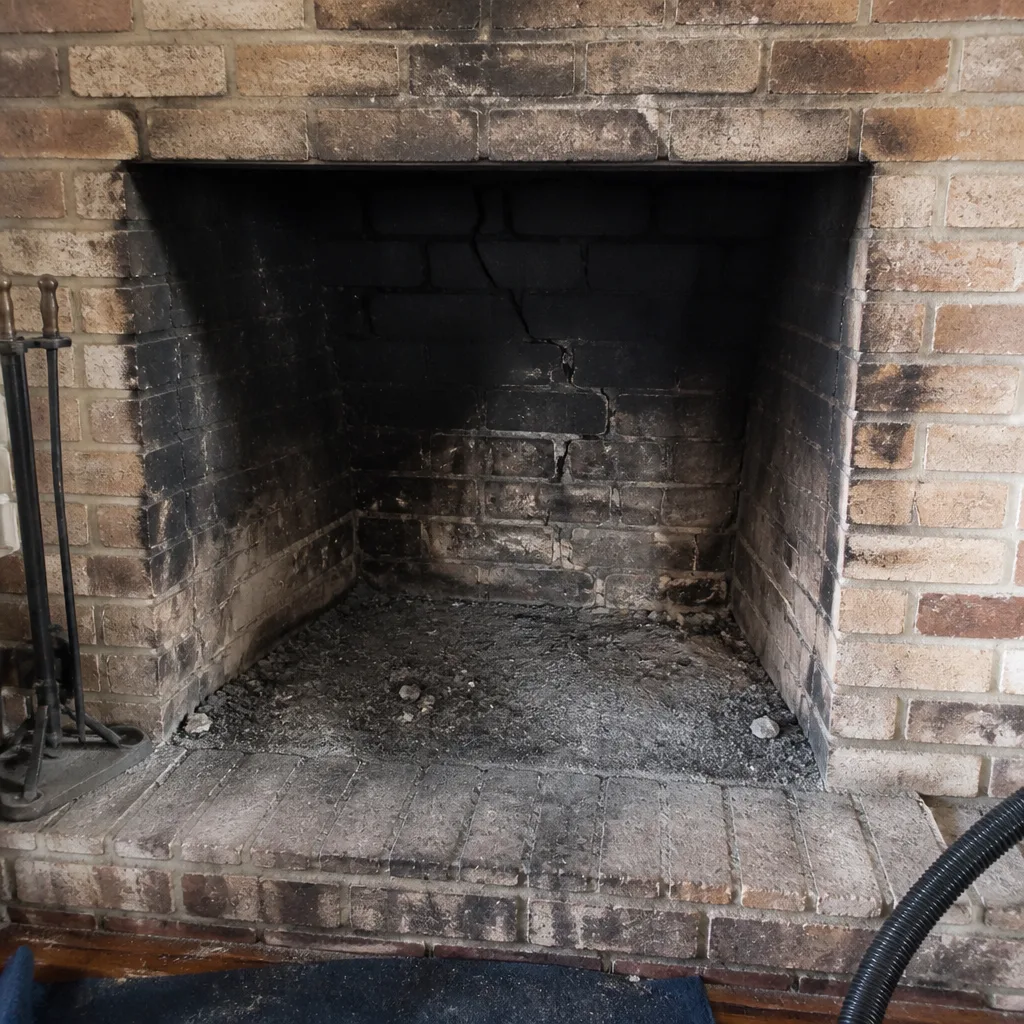 Before
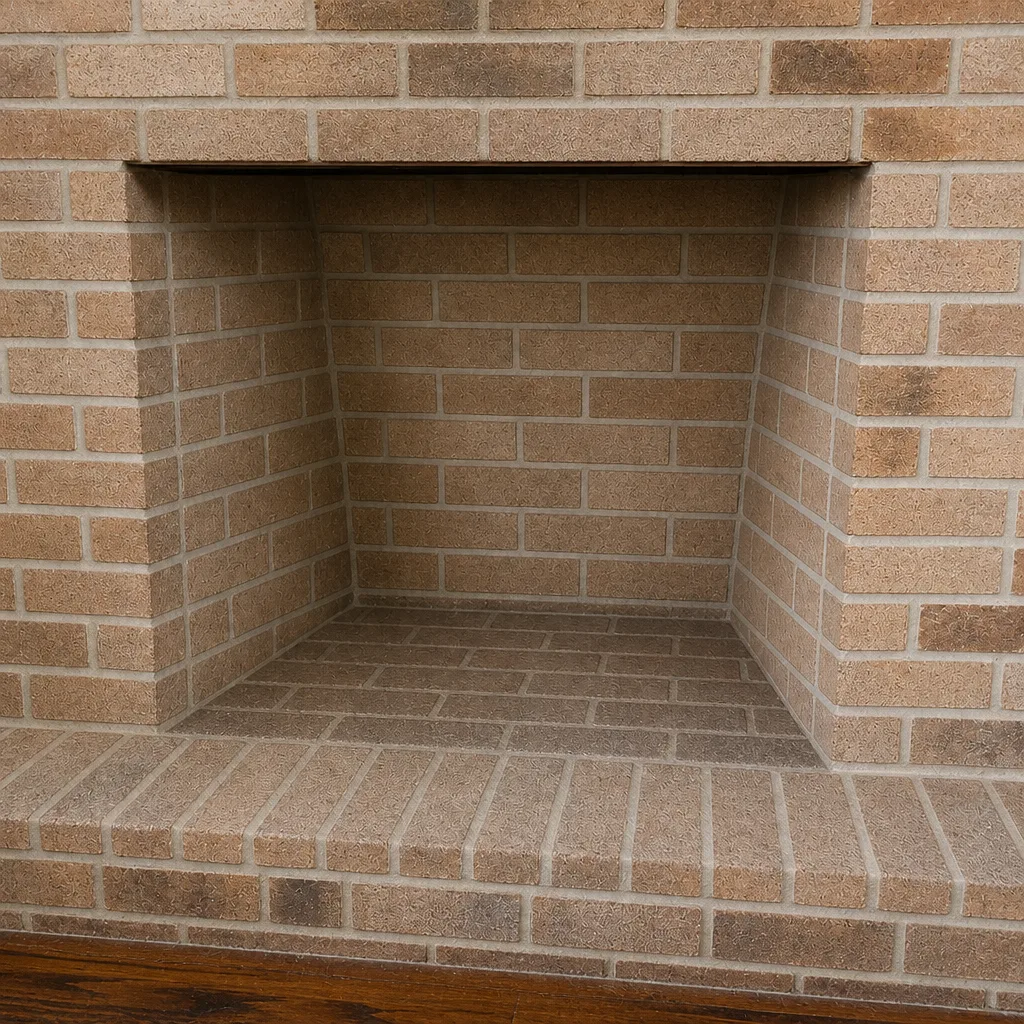 After
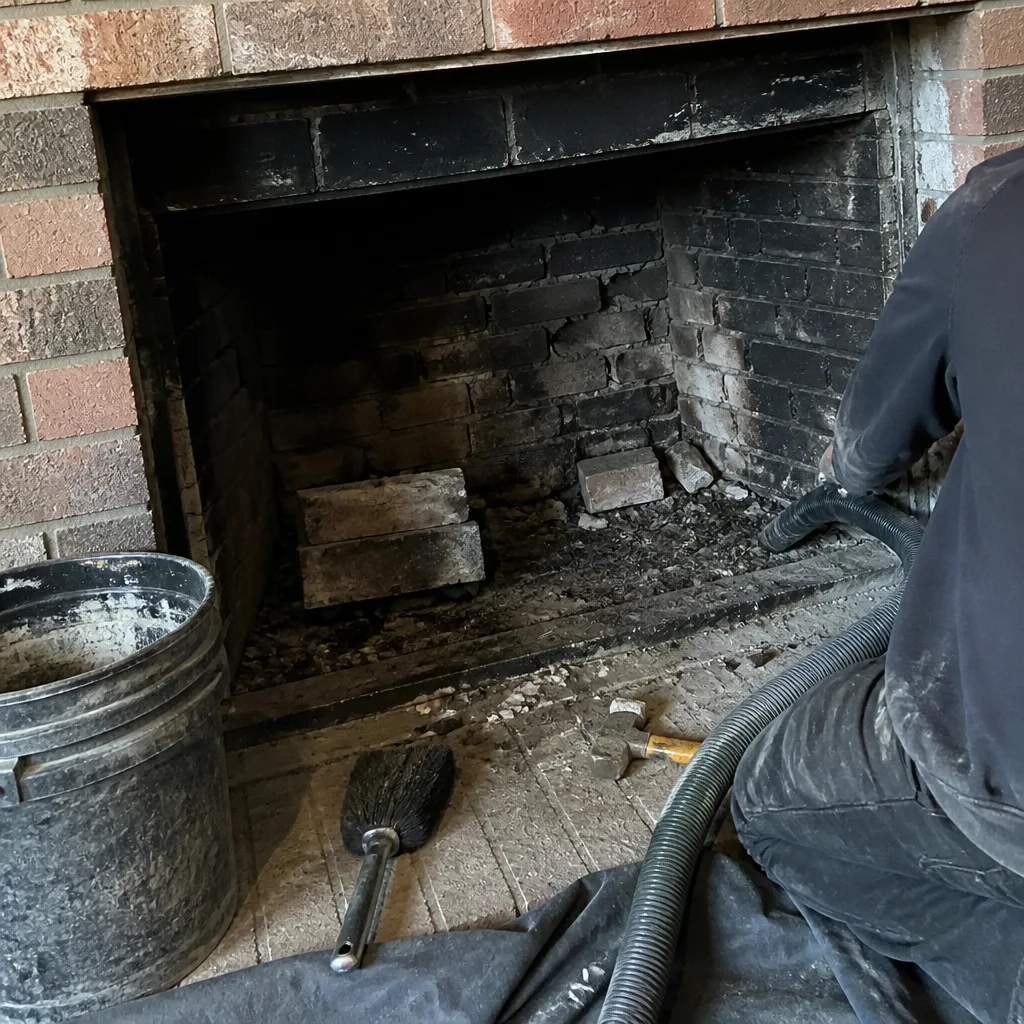 Before
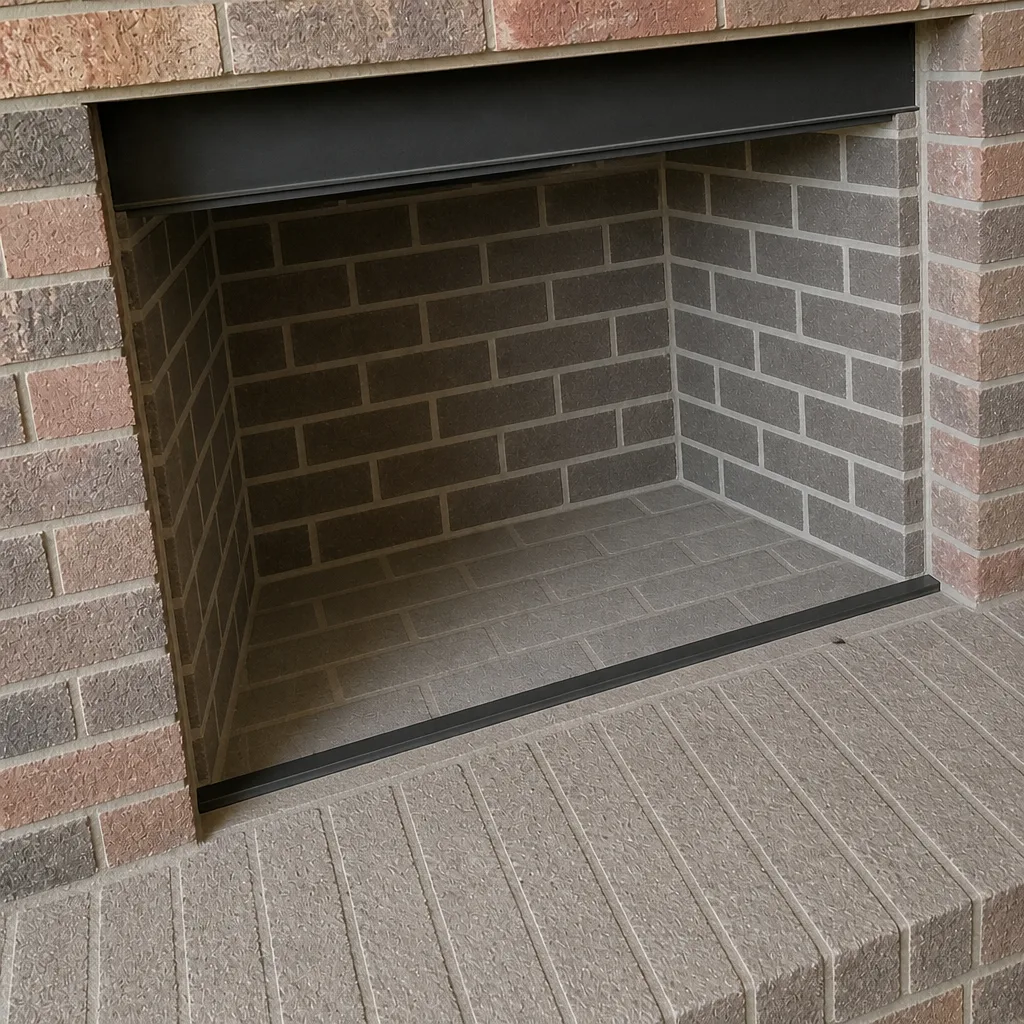 After
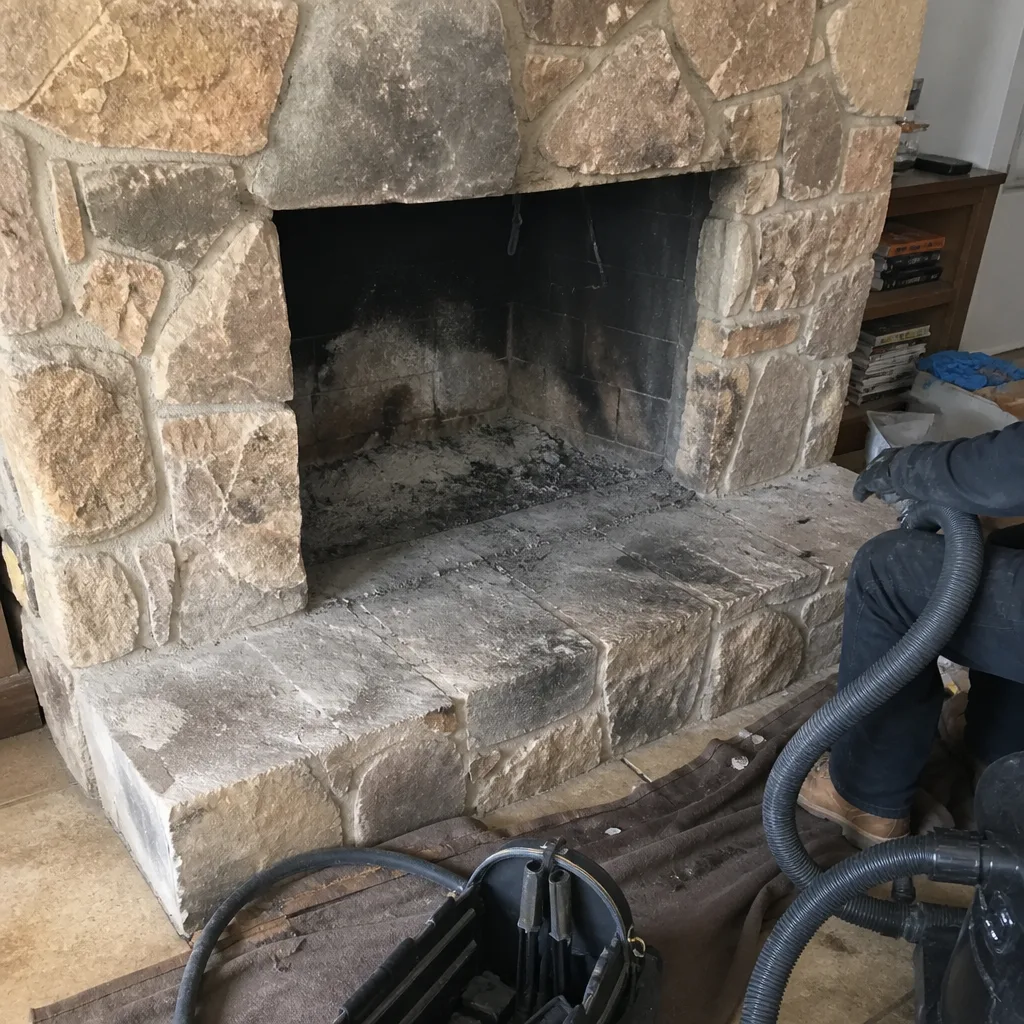 Before
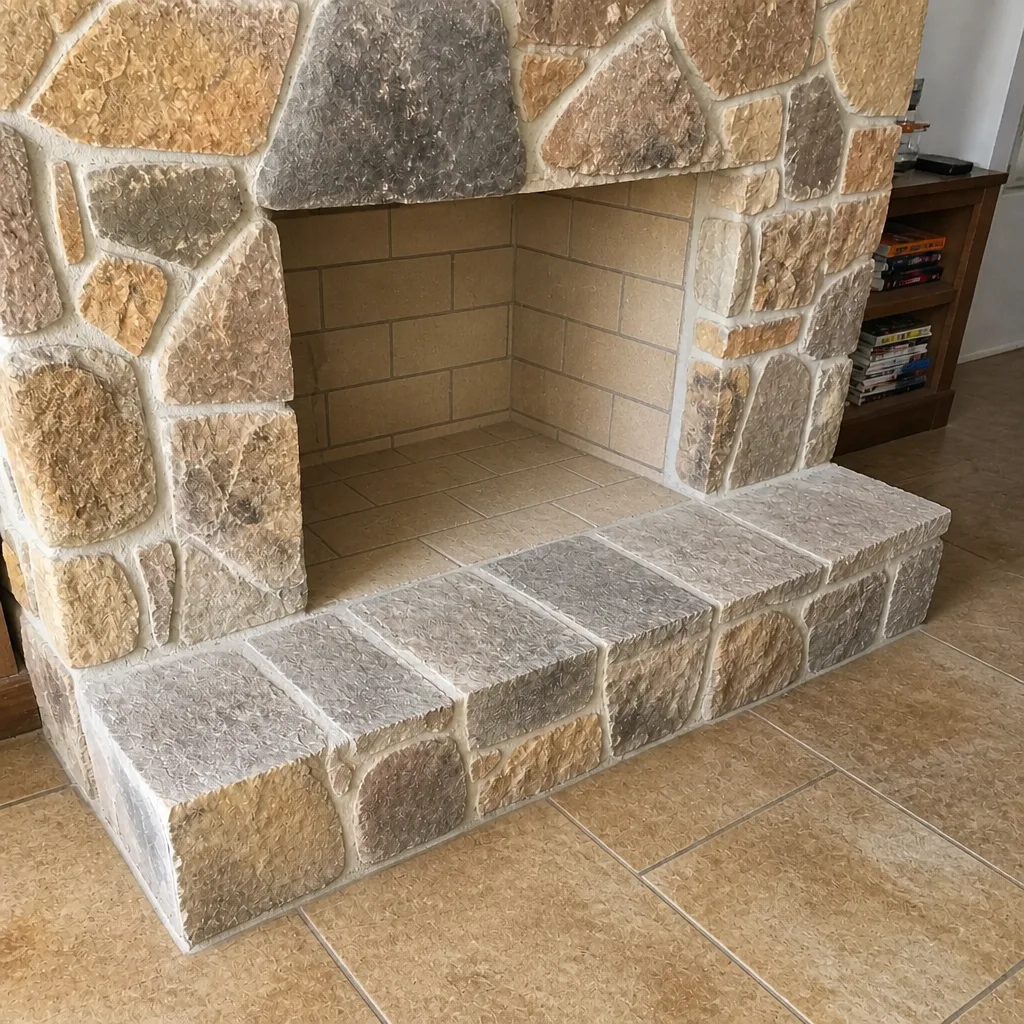 After
When to Call a Professional
Call a professional if you smell smoke in the house when the fireplace is not in use, if you see smoke rolling into the room when the fire is lit, if you have visible staining on the exterior, or if you can see cracked or damaged tiles in the firebox. Also call if it’s been more than a season since the last sweep, or if you’ve just moved into a home with a chimney you haven’t had inspected yourself.
The hesitation most homeowners have – “Am I about to be sold a repair I don’t need?” – is reasonable. The right answer is to see the evidence. We include a camera inspection and a photo report with every sweep, so you can look at what we look at. When something can safely wait, we say so. Chimney Sweep Amarillo offers free estimates – call (888) 527-6071. We answer 24/7, with fast dispatch from 7am to 7pm, Sunday through Friday.
Frequently Asked Questions
The most common are wind-driven backdraft from the prevailing southwest wind, creosote and moisture odors, slow draw from obstructions, and white staining from water in the masonry. Clay tile liner cracks from temperature swings are also widespread in the Texas Panhandle. Each problem has a specific cause and a specific fix, which is why troubleshooting starts with the symptom.
Sometimes. If the cause is a missing or inadequate cap, replacing it with a wind-rated cap can solve the problem. But if the stack is too short, or the pressure problem comes from a tall nearby structure, that’s a professional call. A camera inspection plus a roof-level look at the termination will tell you which side of the line you’re on.
Once a year for most wood-burning fireplaces, and more often if you burn frequently or burn soft or unseasoned wood. Gas appliances should be inspected annually as well. The interval is a general rule; the specific need depends on how much you burn and the condition of the flue. A camera inspection every year catches problems before they get expensive.
Not always. A minor crack that hasn’t compromised the flue’s structure can sometimes be resurfaced with HeatShield, which restores the interior surface at a lower cost than a full replacement. A crack that runs through a tile or a shifted liner needs a stainless replacement. The decision comes down to the condition – and you’re entitled to see it.
Glazed creosote is stage-three buildup: hard, shiny, and tar-like. Brushing can chip at it but won’t remove it, and it can damage the flue in the process. Glazed creosote often needs chemical conversion or, if the damage is extensive, a liner replacement. It’s the most combustible stage, so it’s not something to leave for next season.
A properly chosen cap can fix wind-driven backdraft by stabilizing the airflow over the flue. But if the smoke comes into the room in calm conditions, the cause is usually a flue obstruction or a pressure imbalance from a tight house. A cap won’t fix that. Get the diagnosis right before buying parts.
The Bottom Line
Most chimney problems have a specific, findable cause. Wind-driven smoke is a pressure and cap issue, idle-time odor is a moisture or residue issue, slow draw is an obstruction or sizing issue, and white staining is a water issue. Creosote stage determines whether a standard sweep works; clay tile liner cracks determine whether resurfacing or replacement is the path. The way to avoid both wasted money and real danger is to see the evidence before agreeing to any fix. Chimney Sweep Amarillo handles the sweep, the inspection, and the repair, so the findings and the fix come from the same place. Call (888) 527-6071 for a free estimate.
Written by the team at Chimney Sweep Amarillo.